How to Write a First Draft of a Novel Without Losting the Magic
Writing a Suspense or Mystery Novel? How to Organize Your First Draft Without Losing the Magic
When I first started writing, I used to sit down at the keyboard and try to fix every single grammar mistake, spelling error, and clunky sentence structure as I went. Big mistake! Gigantic mistake!
I learned the long and hard way that first drafts are their own animal. A first draft isn't about being perfect; it’s about getting the story down on paper. You are "blurting out the story" in broad strokes, and you can always massage the plot or deepen the characters on your second go-round.
But if you are writing a mystery novel—or any fiction with a strong thread of suspense running through it—"just blurting it out" can sometimes lead to a tangled mess of forgotten clues and broken timelines.
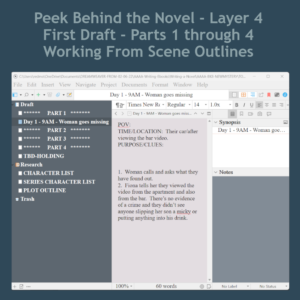
To keep from getting discouraged, you need a different kind of freedom. You don't need a polished manuscript right away, but you do need to get organized and I'm sharing my Eight Layer approach to novel writing that helped me remove all the stress, confusion, and restarts from the process.
Start with the Bare Bones
The secret to drafting suspense without losing your mind is to write out the bare bones of the crime or suspenseful event first. Don't worry about anything else yet. Forget the deep backstory, the descriptive settings, or the witty dialogue. Focus purely on the mystery or crime itself, and build a strict chronology of how the clues or revelations are dropped.
Think of it as building a Story Skeleton. When you strip away the extra noise, every great mystery or suspense thread needs these core anchor points:
The Story Hook: The moment you capture the reader's attention and curiosity right out of the gate.
The Inciting Incident: This is where the mystery officially begins (a body is found, the first mysterious clue arrives, etc.).
First Clues: The immediate evidence left behind at the scene of the crime.
The Suspects: Who they are, and exactly who fingers them.
Motives & Gains: What drives each suspect, and what they stand to gain from the mystery.
The Last Clue: The ultimate piece of evidence or realization that points directly to the real culprit.
The Climax: How the mystery ends—whether it's an ironclad clue, a dramatic confession, or catching them red-handed in the act.
The Resolution: How the main story wraps up and how your subplots finally end.
Once you have this skeleton locked in place, you can let your creativity flow during the daily writing sessions without the fear of hitting a structural dead end.
Get organized before you type page one! Grab my free tip sheet to help you map out your book layer by layer so you can write a stronger first draft with absolute confidence.
Tips to Keep You Moving Forward
Even with a strong mystery skeleton, writing that first draft requires the right mindset. Here are a few timeless rules to keep you on track while you flesh out those bones:
Don't stop to edit or revise. It is a complete waste of time to polish a scene that might get tossed later. You can fix the draft after you know the whole story fits together.
Leave notes to yourself. When you finish a writing session, make a quick note of where your mind is at and what needs to happen next. It makes finding your place the next day so much easier.
Take breaks and have fun. Don't sit and stare at the screen for hours. Get up every 20–30 minutes, stretch, and clear your head. Writing should be enjoyable, and if you're relaxed, your creativity will flow naturally.
If you want a deeper look at the general habits that will save your sanity during this phase, check out my older post, 10 Best Tips on Writing a Good First Draft, for more advice on setting up your writing space and pushing past the urge to edit too early.


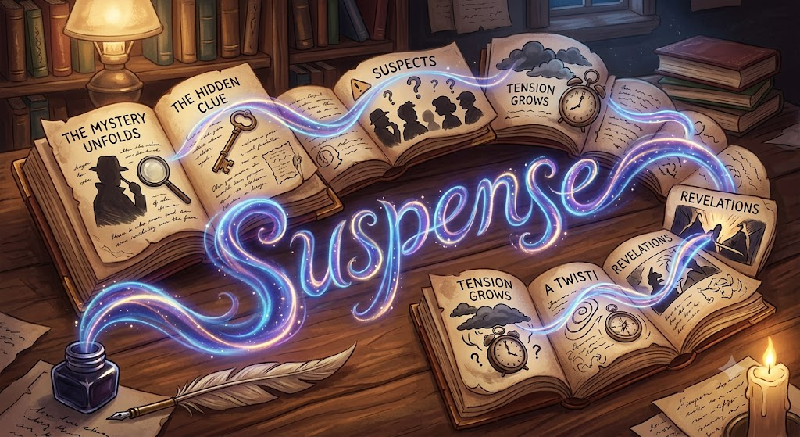
 The secret to drafting suspense without losing your mind is to write out the bare bones of the crime or suspenseful event first. Don't worry about anything else yet. Forget the deep backstory, the descriptive settings, or the witty dialogue. Focus purely on the mystery or crime itself, and build a strict chronology of how the clues or revelations are dropped.
 Leave notes to yourself. When you finish a writing session, make a quick note of where your mind is at and what needs to happen next. It makes finding your place the next day so much easier.