
WHY BLOGGING IS IMPORTANT FOR AUTHORS OF FICTION

- Blogging can be used in many ways. It can be an author diary where you show workflow, give updates on what you are writing, etc. It can help authors establish an online presence and interact with your readership.
- A website with an attached blog can be used to also promote your books, and any promotions you have with your books.
- It can be a way to test out new characters. Write a very short story introducing a new character and get some feedback from your readership.
- Blogging can help you as an author, who probably works alone, to connect with other authors, writers and your readers.
- Blogging is also a great way for you, as an author, to 'pass it forward' to younger and/or new authors. Share your experiences. Think about saving new authors time in their own learning curves. It's a way of giving back and passing it forward.
 How to Start Blogging

- Choose a blogging platform. There are many different blogging platforms available, such as WordPress, Blogger, and Tumblr. You can even use Substack as a website and/or a blogging platform.
- Choose a domain name and web hosting provider. Your domain name is your website's address, and your web hosting provider is the company that stores your website's files.
- Install your blogging software. Once you have chosen a blogging platform, you will need to install the software on your web hosting account.
- Create your blog's appearance. You can customize the appearance of your blog by choosing a theme and adding widgets.
- Start writing blog posts!
What to Blog About?
- Blog about topics that you are passionate about.

- Blog about topics that you are knowledgeable about.
- Blog about topics that are relevant to your target audience.
- Blog about topics that are timely and interesting.
- Blog about topics that are visually appealing.
How Often Should You Blog?

There is no right or wrong answer to this question. The frequency at which you blog will depend on your own personal preferences and goals.
- If you are just starting out, it may be helpful to blog several times a week. This will help you to build an audience and establish a regular presence online.
- Once you have established a following, you can gradually reduce the frequency of your blog posts.
How to Promote Your Blog
 Share your blog posts on social media.
- Guest blog on other websites.
- Submit your blog posts to directories and search engines.
- Run email marketing campaigns.
- Attend industry events and conferences.
- Network with other writers and bloggers.
- Post articles that can help fellow readers or writers.
- Offer giveaways in order to get emails to grown a newsletter.
How to Monetize Your Blog
There are a number of ways to monetize your blog, such as:
 Displaying ads for 3rd parties
- Selling products or services on your blog: Tshirts, mugs, hats, etc.
- Charging for access to premium content
- Creating affiliate marketing partnerships
- If you are not enrolled in Kindle Select, sell eBooks, Paperbacks & Hardcovers from your website.

Tips for Successful Blogging
 Be consistent. The key to success with blogging is to be consistent with your posting schedule.
- Be original. Don't just copy and paste content from other websites. Write your own unique content that will engage your readers.
- Be social. Share your blog posts on social media and interact with your readers.
- Decide ahead of time how much you want to let your hair down. If you give your viewership and readership a behind the scenes look at authoring -- or whatever it is you do -- this can be more popular than a series of dry informational blogs. But there are various degrees of revelation and levels of intimacy. Think hard before you choose your level of exposure.
- Be patient. It takes time to build a successful blog. Don't get discouraged if you don't see results overnight.

IN CONCLUSION:
Having a website is a commitment. However, it can start out as a showplace for your books and be nothing more until you reach a point where you have things and interests to share about.
Decide ahead of time that you won't use building a website or establishing a web presence on another platform (Instagram, WordPress, or Substack) as a battering rod on yourself. Decide ahead of time that this will enhance what you are presently doing, but it won't add to your "to do list," at least not until writing a blog post and peppering it with images, graphics and/or clickable links becomes second nature.
Be sure to check back to ReadFirstChaper.com often. I do post new book releases, new how-to articles for fellow writers, free giveaways, and more!
Free eBook Download

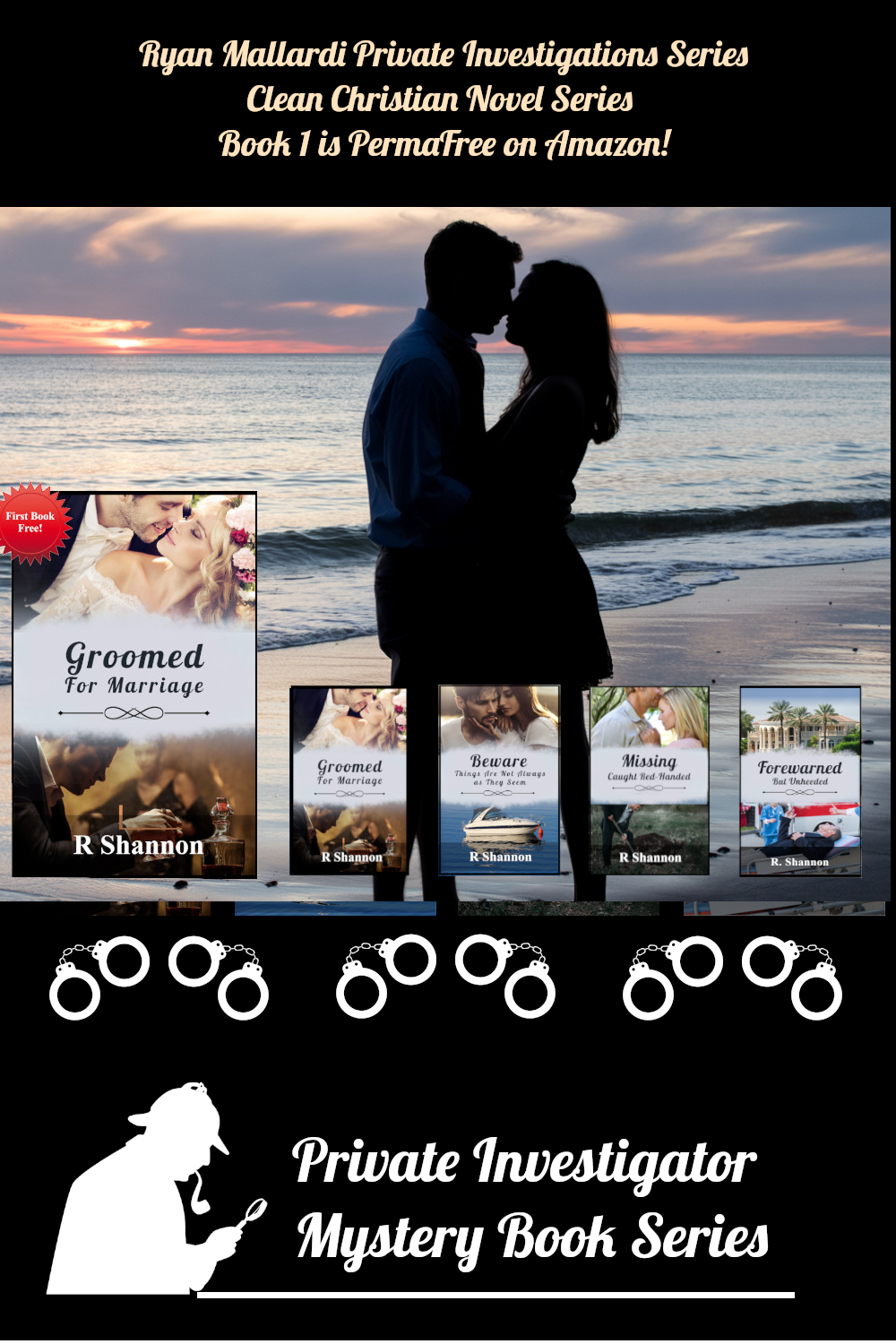
John Walsh is a successful funeral director with a loving family but he has a weakness for other women. The modern world thinks cheating is a victimless crime, but is it?
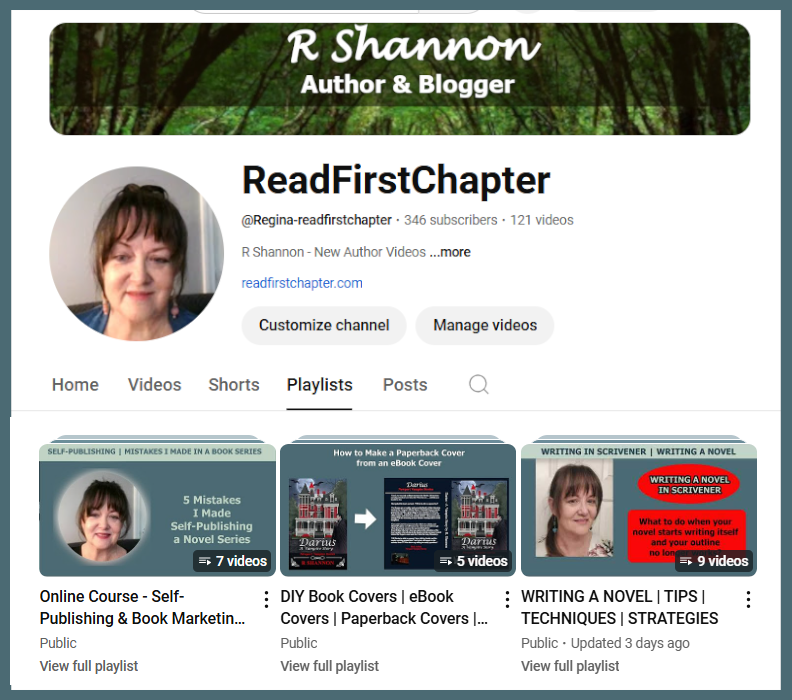
Check out my YouTube Channel
CHECK OUT MY YOUTUBE CHANNEL:
 Click here to see the entire
Newport Vampire Stories Series
Free eBook Download
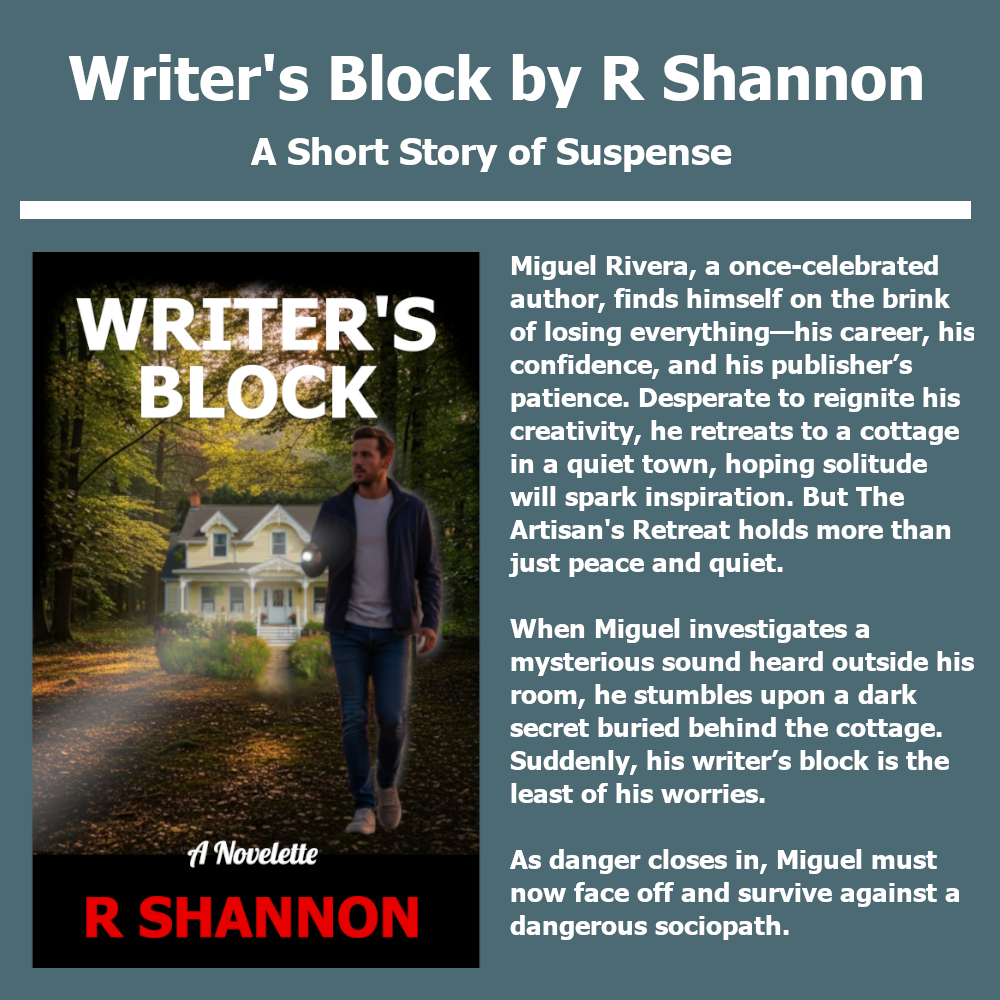
Learn to Create 3D Book Covers
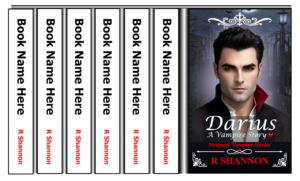
Learn to make 3D Book Covers
from a simple template
Join the Newsletter - Don't Miss Out!

 The answer to that question depends upon your goals as an author.
 If, however, you are a serious author working towards a career or life-long profession, then you will want a website. You may not need one with the first book, but you will be anxious to build your brand right away.
 Although I have already said that you can write book series and operate with an Amazon author page, there will come a time when you want to brand yourself and your series. This will also help you build an online presence. It's all about competition. The more ways you use to run into readers online, the better it us for you and your books.
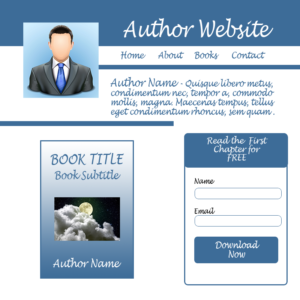 If you want to connect with readers, or start building a readership, you will then want and need a website. When I say connect with readers, there are a few ways to connect with readers.
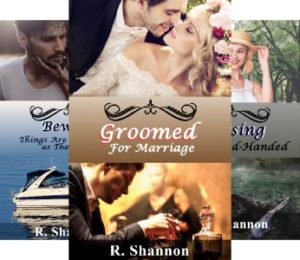 For whatever it may be worth to you, I would recommend that you consider a website by the time you have written a third book, whether it is in a series or not. Once a reader has read more than one book, they will get curious about you. They will want to see a picture of you and maybe learn a few personal things about your life. Having a website, you can share a little bit of personal information.
 If you will be self-publishing and are on a shoe string budget, then you will need a website, but you may be able to operate without one for the first year or eighteen months.
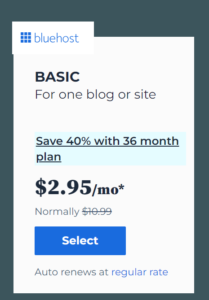 Step One: Find an affordable hosting company. You only need a basic plan. I use bluehost.com, but be sure to watch my video that I'll post here about how not to get into the trap of buying all kinds of services you don't need.