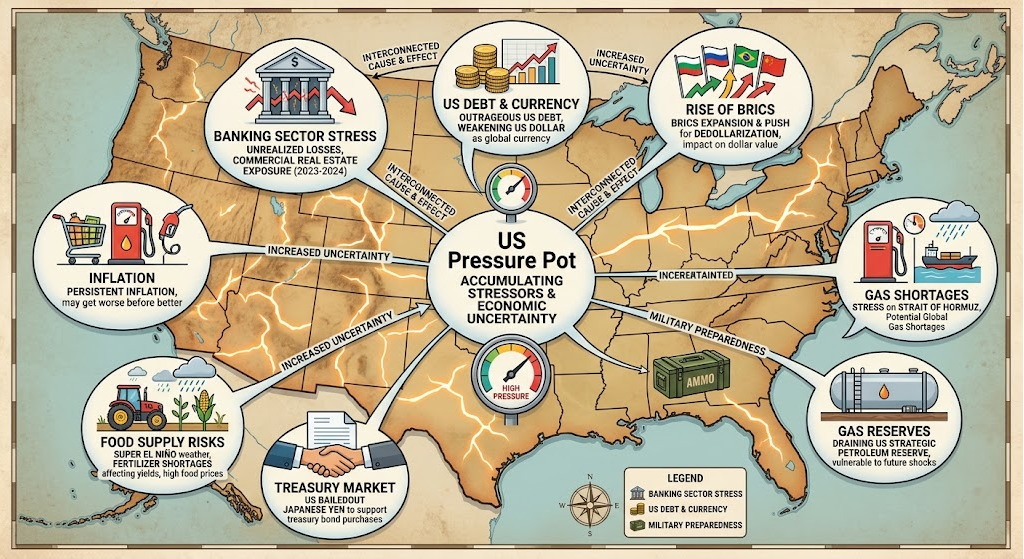
The US is a Pressure Cooker. Stay Positive But Prepare for Tough Times
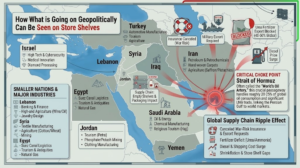
There is panic in the air about the war in Iran, the closing of the Strait of Hormuz, and the inability of the U.S. to get fertilizer for farmers. I have personally seen the big-box stores carrying less inventory. Yes, they are still filling their shelves with merchandise, but many of the items they used to carry are simply not there.
People have been warning everyone, with all kinds of hysterics, about the system crashing as far back as 2015, and it hasn't happened yet. As a matter of fact, the stock market has had a good run for a long time. So let’s hope that whatever mayhem the war in Iran brings, our nation will navigate through any choppy waters with minimal trouble.
However, it is my belief that while it's important to remain positive and hopeful toward the future, it is also smart to take precautions in case things do go awry.
I have just finished my Inflation Busting series, and I wanted to end with a few tips about what we can do to prepare for the worst, should that happen. If the grid goes down or the economy crashes for a time, it helps to think about "camping." The worst conditions will throw us into a situation where we will be forced to live like campers for a while.
Below is a list of practical things to keep in mind, along with items to purchase ahead of time or keep on your emergency shopping list.
Water, Sanitation & Hygiene
Water Essentials
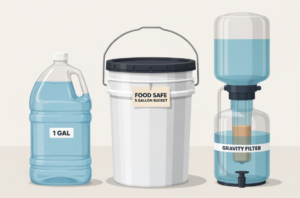
Daily Supply: Every person needs at least one gallon of water per day. At the first sign of trouble, fill all bathtubs and have several empty soda bottles on hand to fill with water as a backup.
Storage Buckets: Purchase 5 to 8 food-safe 5-gallon buckets and fill those with water as well. These buckets can also be set outside to collect rainwater if difficult times stretch on.
Filtration: Look into gravity-fed water filter systems (such as Alexapure, ProOne, or gravity systems with NSF/ANSI-certified ceramic filters) so you can safely process rainwater or alternate sources.
Sanitation & Hygiene
When municipal water or power fails, sanitation becomes an immediate health priority:
The Two-Bucket Toilet System: If municipal water fails or sewer lines back up, convert standard 5-gallon buckets into emergency toilets. Line one bucket with a heavy-duty trash bag for liquid waste and one for solid waste (covering solid waste with sawdust, peat moss, or kitty litter after each use to control odor).
Off-Grid Laundry Supplies: Stock extra liquid castile soap (like Dr. Bronner’s) or heavy-duty laundry detergent, a washboard or manual plunger-style washer, and a heavy-duty clothesline with clothes pins.
Hygiene Essentials: Keep plenty of heavy-duty contractor trash bags, baby wipes, hand sanitizer, isopropyl alcohol, and feminine hygiene supplies on hand.
Power, Lighting & Communications
Portable Power Options
Generators & Power Stations: If you have a built-in generator, that is ideal. If not, consider a sizeable portable power bank, such as a Jackery 300 or Jackery 1000. A Jackery 300 can power lighting and a laptop, while a Jackery 1000 paired with solar panels can keep a small refrigerator running.
Small Solar Banks: Beyond larger power stations, keep a few handheld 10,000–20,000 mAh power banks fully charged for smaller USB devices and cell phones.
Lighting & Keeping Informed
Rechargeable LED Lighting: Stock up on USB-rechargeable headlamps and lanterns. Headlamps keep your hands free for cooking or working in the dark.
Emergency Weather Radio: A hand-crank or solar-powered AM/FM/NOAA emergency radio ensures you receive critical news updates if cell towers and internet infrastructure go offline.
Food Supplies & Off-Grid Cooking
Protein & Staples
Canned Meats: Learn to home-can chicken, pork, sausage, and beef. If you prefer store-bought, stock up on canned tuna, chicken, and sausages. Canned food is a safe investment because a grid outage won't cause it to spoil.
Complete Proteins: Stock rice and beans, or lentils and wheat. Paired together, these combinations create complete proteins.
Pantry Must-Haves: Watch for sales on peanut butter (look for Buy-One-Get-One offers) and stock up on powdered dry milk.
Local Sourcing: Connect with a local farmer who sells fresh milk, eggs, and meat directly.
Budget-Friendly Meal Stretchers & Planting
Fillers: Keep plenty of pasta, rice, and potatoes on hand to stretch meals for larger families.
DIY Convenience Mixes: Research and assemble homemade versions of Rice-A-Roni or Hamburger Helper using basic pantry ingredients.
Planting Seed Potatoes: Buy several organic potatoes to keep on hand for planting in your garden or container pots. Non-organic potatoes are often sprayed with sprout-inhibiting chemicals that prevent "chitting," whereas organic potatoes will sprout naturally and yield a new crop.
Off-Grid Food Preparation
Cast Iron Cookware: Skillets and Dutch ovens can sit directly over charcoal, camp stoves, or open fire pits without damaging the pan.
Manual Kitchen Tools: Keep non-electric backups for daily prep: a sturdy manual can opener, a hand-crank grain mill (essential if storing whole grains), and a manual eggbeater or whisk.
Thermal Cooking: Save stove fuel by bringing soups or stews to a boil, then placing the covered pot inside a thermal insulated bag (or wrapping it tightly in heavy blankets) to finish cooking off-heat over several hours.
Financial Readiness
Cash Reserves
Keep a few hundred dollars of physical cash on hand in small bills ($1, $5, $10, and $20). If banking systems or power grids experience temporary outages, electronic card payments and online banking won't be accessible.
Security & Community Connection
Local Maps & Contact Information
Print physical street maps of your local city and surrounding counties. Maintain a physical address and phone book for family, friends, and trusted neighbors rather than relying solely on cell phone storage.
Community Support
Emergency preparedness is easier with a network. Connect with trusted local neighbors now to learn who has practical skill sets—such as gardening, mechanical repair, medical training, or carpentry—so you can support one another during localized disruptions.
Closing Thoughts
When the grid or power fails, we are essentially thrown into a temporary camping scenario. The internet may go down, electricity might be out for several days, and cell networks could be temporarily unavailable.
Keep an eye out on Facebook Marketplace, Nextdoor, and seasonal store clearances for affordable camping gear. Look into picking up a small tabletop barbecue or camping stove—preferably one that accepts charcoal, twigs, and small branches in addition to fuel canisters.
Gather plenty of matches, flashlights, extra batteries, and fuel canisters. And remember: you can never have too many 5-gallon buckets!

 Daily Supply: Every person needs at least one gallon of water per day. At the first sign of trouble, fill all bathtubs and have several empty soda bottles on hand to fill with water as a backup.
 Off-Grid Laundry Supplies: Stock extra liquid castile soap (like Dr. Bronner’s) or heavy-duty laundry detergent, a washboard or manual plunger-style washer, and a heavy-duty clothesline with clothes pins.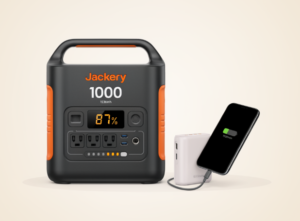
 Keep a few hundred dollars of physical cash on hand in small bills ($1, $5, $10, and $20). If banking systems or power grids experience temporary outages, electronic card payments and online banking won't be accessible.
 Print physical street maps of your local city and surrounding counties. Maintain a physical address and phone book for family, friends, and trusted neighbors rather than relying solely on cell phone storage.