Inflation Busting #10 – How What Is Going On Geopolitically Can Be Seen on Store Shelves
Inflation Busting #10 - Establishing Local Farmer & Rancher Sources
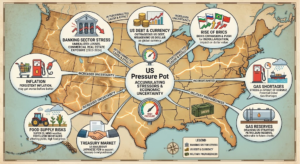
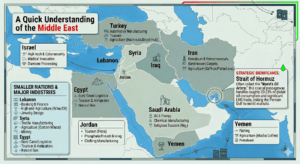
I've done research and have streamlined that research so, hopefully, you can absorb what is going on in a five-minute scan. Many of you may be tuned out of politics and what is going on with Iran, China, Russia and the rest of the world and how this may or will affect inflation, food production, and truck deliveries going forward.
Normally, tuning out of politics would be seen as a good move and could even be interpreted as rage management. Younger adults who are establishing themselves in a career and/or working and raising a family don't have the energy or bandwidth to keep track of what is going on. I'm retired, so I have a bit more time than many of you. I wanted to end my 10th Inflation Busting Series with a suggestion of how what is going on right now may affect us as consumers and family members going forward.
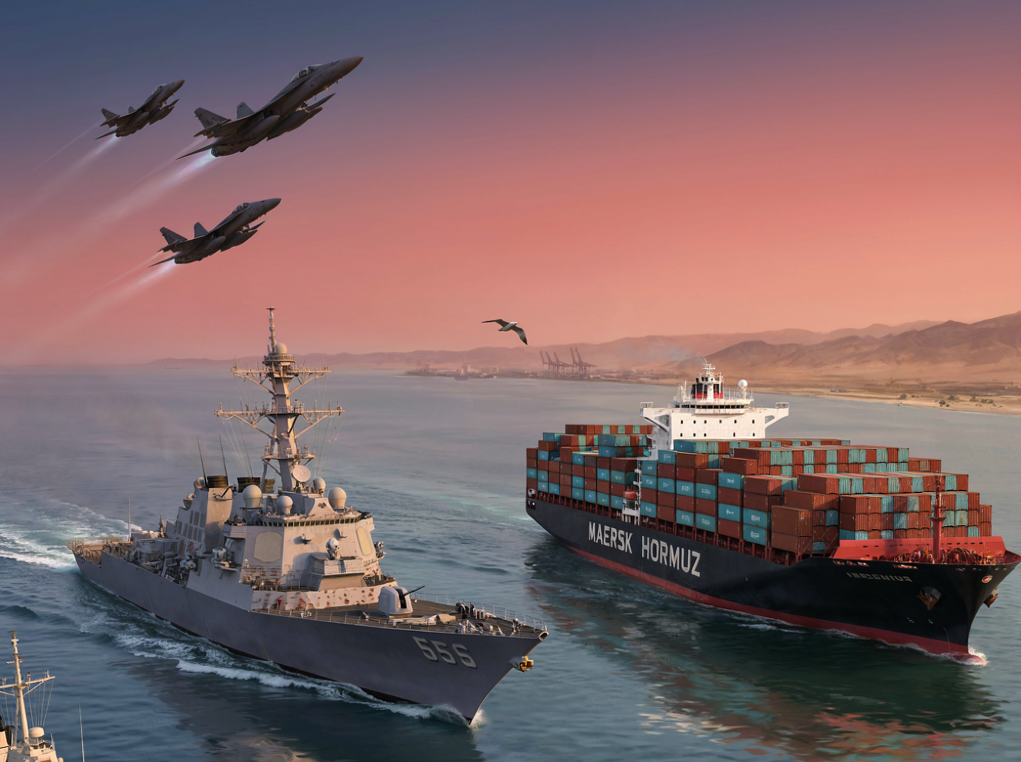
I believe, and you can give this whatever weight you deem fit, that we have entered a stage where there are now signs that the standoff between the US Government and Iran regarding transporting oil and other container ships through the Strait of Hormuz is already causing problems locally.
The big box stores are filling their shelves with old merchandise or inventory that they normally keep in the back of the store because the goods are now beginning to dwindle. After shopping a few days recently, I saw every other place on the shelf empty and a bit more space between the products. Walmart had aisles filled with extra large container boxes that I know they would normally keep in their back room inventory. These are the first real signs of the problems we may face as we got forward.
We're not just facing this escalating inflation, but now I'm seeing signs of a reduction in general inventory.
The purpose of this last Inflation Busting Segment is to introduce you to the idea of buying food and meat from local farmers and ranchers. Once you establish a relationship with these local suppliers, you will have a safety valve against the chaos that may occur in the local grocery stores if the eggs stop showing up, or the milk is two weeks late.
How a Crisis in the Strait of Hormuz Affects Store Shelves in America
When news headlines talk about geopolitical tensions in the Middle East, most people assume it only affects the price of a gallon of gas at the local pump. But the reality is far more wide-reaching.
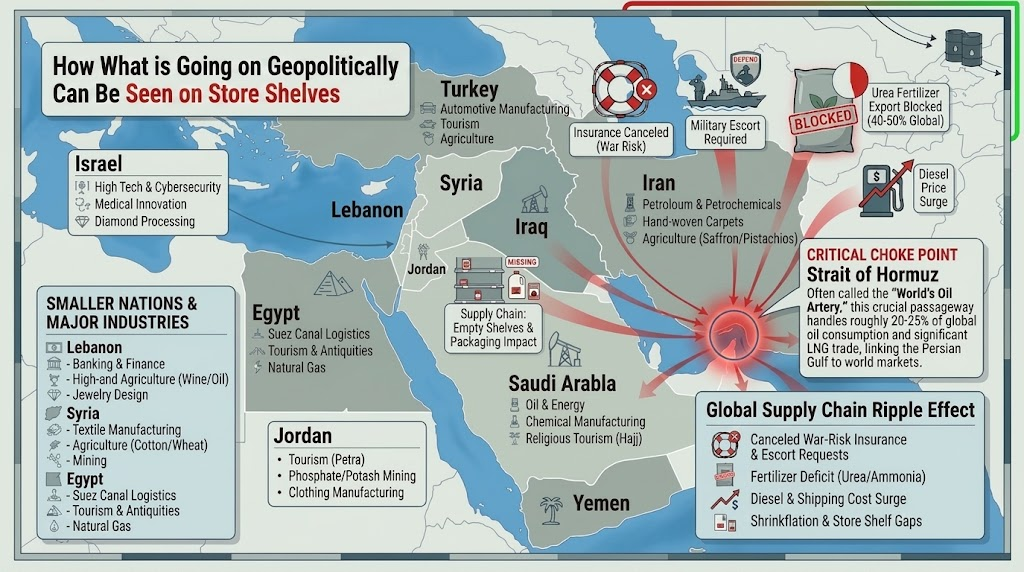
The Strait of Hormuz—a narrow waterway handling nearly a quarter of the world’s seaborne energy and almost half of its global fertilizer exports—is directly linked to the shrinking package sizes, higher prices, and patchy inventory appearing on store shelves in towns across America.
Understanding how a bottleneck thousands of miles away ripples down to local store shelves reveals why taking control of your family’s food supply is one of the most effective ways to build personal independence.
The Domino Effect: From Ocean Waterway to Local Grocery Store
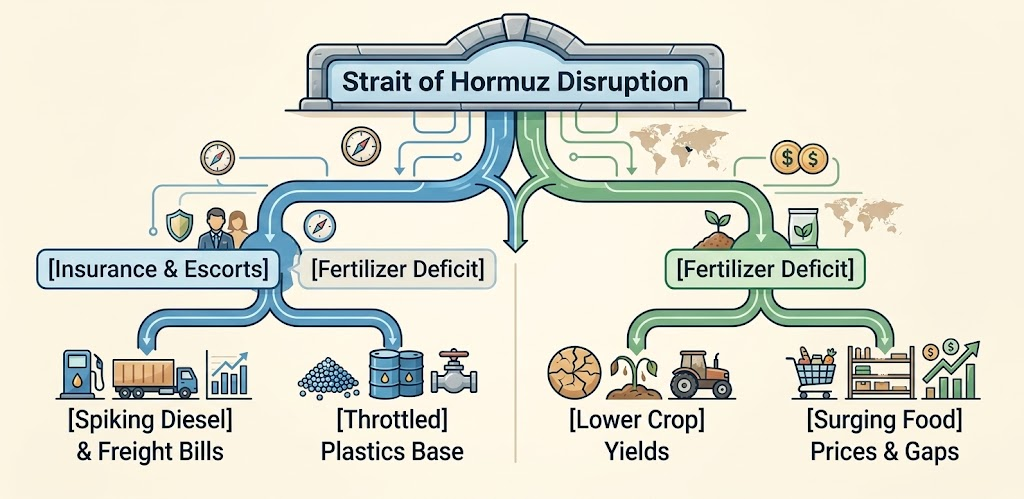
The connection between a shipping narrow point and local store shelves isn't immediate, but it follows a predictable four-stage chain reaction:
1. Canceled Marine Insurance and Escort Backlogs
When conflict or military friction rises in the Strait, maritime insurance companies pull back war-risk coverage or raise premiums by astronomical margins.
The Reality on the Water: Commercial cargo fleets and container ships cannot legally or financially operate without active insurance coverage.
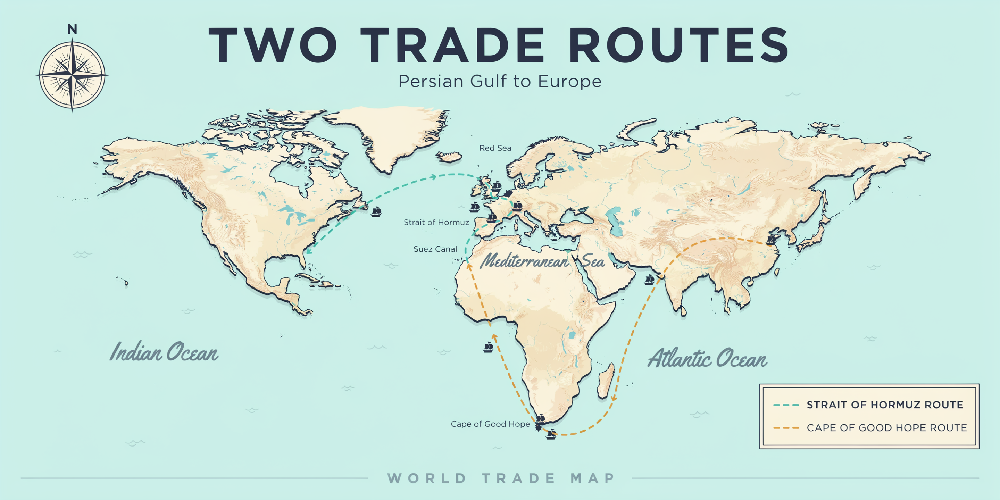
The Freight Stall: Ships are forced to anchor outside the choke point while waiting for costly military escorts or re-route entirely around Africa’s Cape of Good Hope, adding 10 to 14 extra days to travel times.
The Domestic Result: These delays absorb container availability, spike ocean freight rates by 30% to 65%, and cause delayed shipments at major U.S. distribution hubs.
2. The Diesel Fuel Spike and Transportation Surcharges
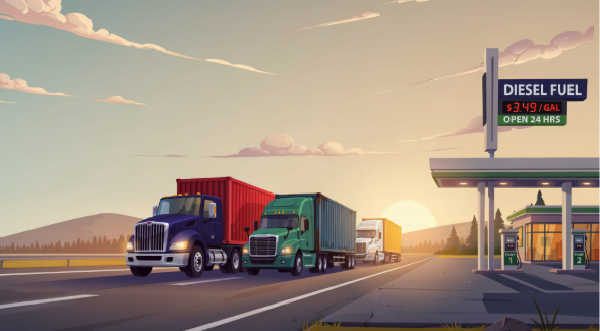
Over 70% of all goods and food products transported across the United States travel in diesel-powered semi-trucks.
Fuel Costs Surge: As crude oil prices react to Middle Eastern instability, domestic diesel prices jump significantly.
Trucking Contract Rejections: Independent carriers paying significantly more at the pump are forced to pass those costs directly onto retailers and food distributors.
Delayed Store Deliveries: When delivery costs soar, shipping routes are consolidated or delayed. Instead of receiving daily or bi-weekly deliveries, stores face stock gaps while waiting for consolidated loads to arrive.
3. The Nitrogen Fertilizer Shortage and Crop Yields
The Persian Gulf is not just an oil hub; it is the source of 40% to 50% of the world's exported urea, the primary nitrogen fertilizer required for growing modern crops like corn, wheat, soybeans, and rice.
Fewer Inputs, Lower Harvests: When fertilizer exports from the Gulf stall, international urea prices jump. Farmers across North and South America are forced to reduce their fertilizer application per acre due to exorbitant costs.
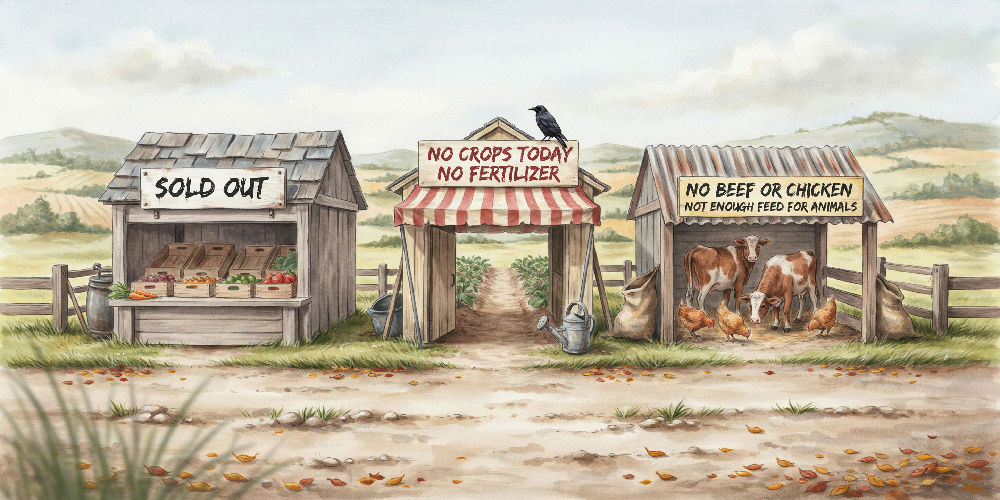
The Feed and Meat Connection: Lower crop yields mean less feed available for domestic livestock, pushing up feed prices for commercial cattle, poultry, and pork operations. This cost feeds directly into higher retail meat prices with a 6- to 12-month lag.
4. Petrochemical Bottlenecks: Shrinkflation and Packaging Delays
Middle Eastern refineries produce crucial chemical base ingredients—such as naphtha and ethylene—which serve as the building blocks for global packaging materials, synthetic fabrics, craft supplies, and food containers.
Packaging Delays: When raw plastic resins and packaging materials are delayed or throttled at the factory level, food manufacturers cannot bottle, box, or wrap finished products, creating manufacturing backlogs.
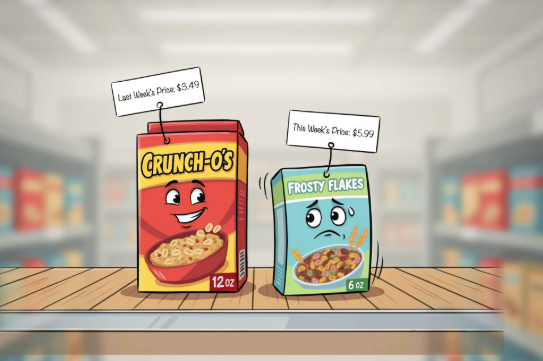
Shrinkflation: To absorb soaring freight bills, rising packaging costs, and expensive agricultural inputs without scaring off consumers with $10 price tags on basic items, manufacturers shrink package sizes while keeping prices the same or slightly higher.
How to Protect Your Household: Local Meat and an Ingredients Pantry
Relying entirely on long, fragile corporate supply chains leaves family budgets exposed to international trade disruptions. Building resilience does not require drastic lifestyle shifts—it simply means making a few intentional changes to how you buy and store food:
Establish Direct Relationships with Local Ranchers and Farmers:
Buying beef, chicken, pork, and eggs directly from local agricultural producers bypasses ocean shipping delays, corporate packaging markups, and diesel surcharges.
Purchasing fractional shares (an eighth, quarter, or half beef share) locks in a set price per pound and secures high-quality meat directly in your freezer.
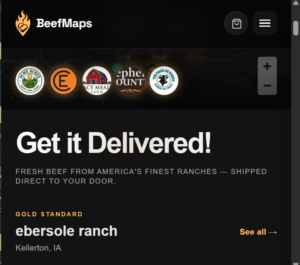
Above are two screen shots of two websites you can start with. The one on the left is called BeefMaps.com, and this website will allow you to choose your state and you can zero in on ranches and farms close to your home. This one has a nation wide directory.
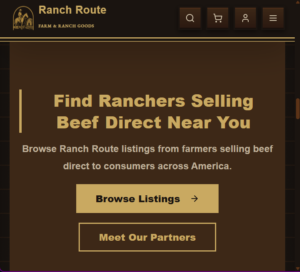
The screen shot on the right is from a website called Ranch Route, which allows you to buy direct from the farmers and they have boxes and customized orders.
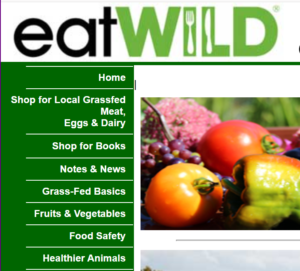
Another Farm and Rancher director is called Eat Wild. They have a website, a directory and they seem to have a lively community. Many of you will find it easier to order online and many of you will like the idea of getting to know the farmers and ranchers in your area.Many local ranchers have posted several YouTube videos complaining about how the lifting of the tariffs will crush their businesses. These ranches and farms have been in their families for generations. It's important for us, as Americans, to support our ranchers and farmers.
ANOTHER STRATEGY FOR INFLATION BUSTING - The Ingredients-First Pantry
As we begin to see certain products delayed or not making it to the stores in time, it can cause stress and even fear. While we still have time, make a slow switch to becoming an ingredients first pantry. Buy flour, yeast, dry milk, baking powder, corn starch or EZ gel, & sugar in bulk and put together your own cake mixes, pancake mixes, bread mixes. This will allow you to ride the wave above the panicked and chaos-driven shopping in stores that don't seem to have enough.
While things are still stable, go see what kind of spices the Dollar Tree is offering. With about 20 spices, you can make any spice mix you need such as Taco seasoning, chili seasoning, sloppy joe mix, Asian stir fry, gravy mix, etc.
DON'T FORGET FACEBOOK MARKETPLACE & NEXTDOOR.COM
Keep your eyes peeled for mason jars, pantry organizers, baking mix recipe books, anything that will help you slowly switch to an ingredients-first pantry.
By equiping yourself to make pantry kits, you can take advantage of the BOGO sales on pasta or peanut butter. You will begin to see each product as an ingredient and how you can make 2 packages for the price of one stretch your grocery dollars!
By pairing dry, shelf-stable pantry staples with fresh, locally sourced meats and dairy, your kitchen becomes an independent hub, protecting your family’s dinner table regardless of what happens across international waters. This is more of a return to village living.
MY NEXT NEWSLETTER SERIES - COVERTLY UNPLUGGING FROM THE CORPORATE GRID.
In next month's newsletter, I will begin to organize and offer tips on becoming self-sustaining; quietly unplugging from the government and corporate grid that is currently squeezing us in every way they can. If you haven't signed up for my newsletter, click below to join now.

 Another Farm and Rancher director is called Eat Wild. They have a website, a directory and they seem to have a lively community. Many of you will find it easier to order online and many of you will like the idea of getting to know the farmers and ranchers in your area.Many local ranchers have posted several YouTube videos complaining about how the lifting of the tariffs will crush their businesses. These ranches and farms have been in their families for generations. It's important for us, as Americans, to support our ranchers and farmers.
 Keep your eyes peeled for mason jars, pantry organizers, baking mix recipe books, anything that will help you slowly switch to an ingredients-first pantry.