I had been running Amazon ads for several years now, and I have gotten a steady stream of one or two "sales" a day. However, when the books are in Kindle Select, the profit is very complicated. Recently, I decided to put the Amazon ads on hold and try to promote my book videos to see if they could lead to a little better showing.
I wasn't ready for what happened! The response to a promoting a few videos with a few dollars each, took me from 406 subscribers to over 6,000 in less than three weeks. The view numbers went through the roof as well. So it's goodbye Amazon Ads and Hello YouTube Ads -- at least for now.
LET ME SET THE TABLE FOR YOU:
 I wanted to start making short videos in PowerPoint for my books. I was told over and over that in social media, you need to be on camera, but I'm camera shy, introverted, and the thought of jumping around on social media like I see some of these younger authors do, was out of the question. This advice kept me from venturing out into the short videos on YouTube and Tiktok for a long time.
I went ahead with my faceless book promotional shorts and I'm happy to report that I received a response I wasn't even ready for. However, this huge response happened because I also promoted one or two of these videos. I promoted the first one for views and put maybe $10 on it. The third or fourth video I did, I changed the purpose of the promotion to subscribers. Again, I was very impressed with how much interaction I received.
In order to monetize on YouTube, you need at least 3,000 subscribers and I believe 3 hours of content -- I'm going by memory here, so don't quote me on this. Monetizing on YouTube was really never a specific goal as I'm retired and I don't think it's going to change my life at all. However, it is nice to at least get the feedback of the views, the new subscribers, and likes.
So the first change I made was in creating these short videos, each one targeting a specific book, and mentioning the series name at the end of the video. I'll post two of the short videos below so you can see what I'm talking about.
THREE KINDS OF PROMOTIONS:
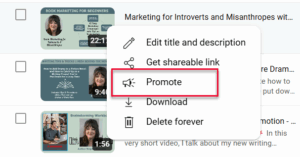 After you upload a video to YouTube, and click on the "content" tab on the menu on the left side, a list of your videos will pop up.
On the right side, there are three or four dots indicating a drop-down menu. When you click on that, a few choices will come up, one of which is Promote. This is where I started with my first promotion, right on the dashboard at YouTube.
THREE PROMOTION TYPE CHOICES:

Once you get inside the choices, you need to first choose what type of promotion you would like to run, which is another way of asking you what your goal is or what you want to accomplish. Your goal will fit under one of three choices as I explain below.
- You can promote to get more views on your video. I tried this one and it exceeded my expectations. Bear in mind that this is all based on how many views I would get organically. So there was a huge difference.
- The second type of promotion is for subscribers. I also promoted videos to get more subscribers. I had the same experience. My subscriptions grew from 406 to over 6500 within two or three weeks. Again, I was astounded -- mainly because I'm only talking about $50.00 a month or thereabouts combined on all of these promotions. And these changes occurred before the ad campaign ate up the money. There is still money on a few of the videos.
- The third choice of selection is for "Website Visits" sometimes known as leads. This is the choice for someone who wants to sell something on a website. I set off to try this one, but noticed that you could only drive the traffic to your website. This is where it got a little tricky for me because I wanted to send the clickers to one specific book on Amazon -- not to my website.
RESEARCH - RESEARCH - AND MORE RESEARCH!
 I searched for a YouTube Video that would explain how to set up a book marketing ad, but only got generic book marketing ads that had nothing to do with promoting an Amazon book on YouTube. I tried different keywords: Promoting a book link on Youtube, YouTube Lead Promotions, and on and on. I found nothing helpful.
Somewhere between researching on YouTube and on Google Ads, I came upon a small link that said something like "get more control" and I chose that one. This is where I found the next right pathway in setting up the type of ads I had in mind.
I'm posting the link here for you -- and for me, if any time lapses and I can't remember my exact route through the maze of choices at YouTube. https://business.google.com/us/ad-solutions/youtube-ads/


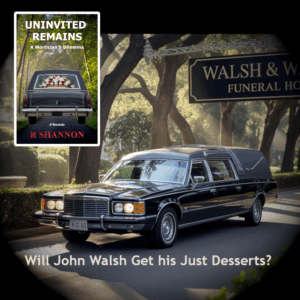


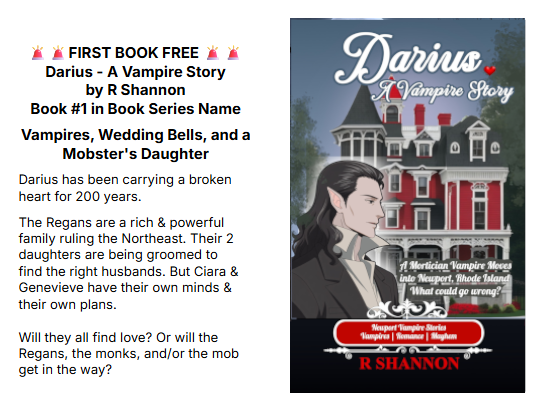

 For the next two weeks when this ad runs, I will make sure I have the following elements for my book entitled Beware - Things Are Not Always as They Seem:
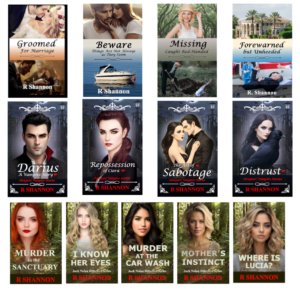
 Some of you may wonder why I would target a second book in a book series. My first book, Groomed for Marriage, is permafree on Amazon, which was done through a program they call price-matching. By giving away Book 1, I get new readers who have nothing to lose to try my book and often, they read through the series.






 If you don't have a website, you can use a Google form or other online-hosted form to create a questionnaire.
 Everything that comes after this point will require an ASIN number and/or a ISBN number which you don't get until you actual upload the book. I use the KDP-assigned numbers, so they are assigned to the book when uploaded. If you use your own ISBN numbers, you may be able to do a few of the following procedures without uploading your book.
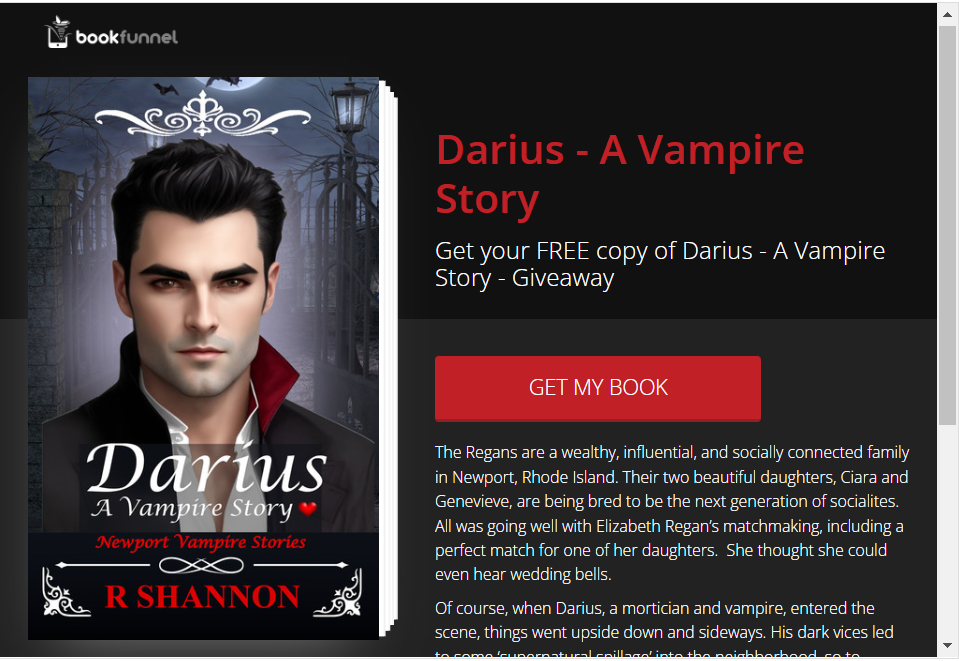 Giving away your book for free is the most cost-effective method of advertising -- bar none. I always give away my books and don't understand the argument new authors make for refusing to give away 'their work'. In my opinion, everyone who reads and likes a free book will be ready to purchase a second, third, or fourth book by you.