ANOTHER GOTHIC HORROR (FUN)
This is another English gothic horror movie from the 1960s. I have added the word fun into the title because these movies are not particularly scary by today's standards but there is something so charming and fun about them that I cannot resist watching them over and over again.
This movie was uploaded by the Channel entitled New Castle After Dark where two guys present the movie and talk before, at an intermission, and after the movie is over. They are just as charming as the movies. They are movie buffs and share insider information about the movies as well as the actors who appear in their movie choices.
I love their format because it feels like you're not watching the movie alone. They appear just long enough before, during and after to add to the watching experience -- at least for me they do.
THE MOVIE STATS:
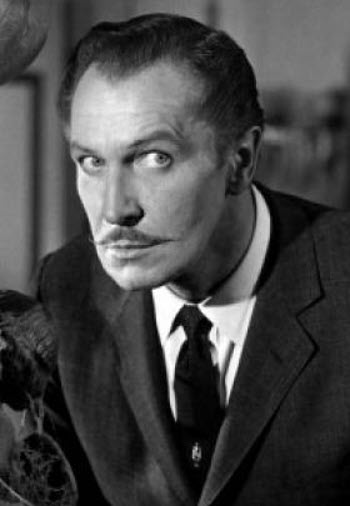 The movie was produced and directed in 1959 by British director Gordono Hessler. This movie stars Vincent Price and Christopher Lee. It is the first movie that stared both actors.
The movie was loosely based on the short story written by Edgar Allan Poe entitled "The Oblong Box". I say loosely because I don't believe voodoo is mentioned in the original Poe story.
Although Vincent Price is often accused of overacting, I think he fits perfect into the Gothic Horror Fun genre! I don't see his acting as anything but great in these films.
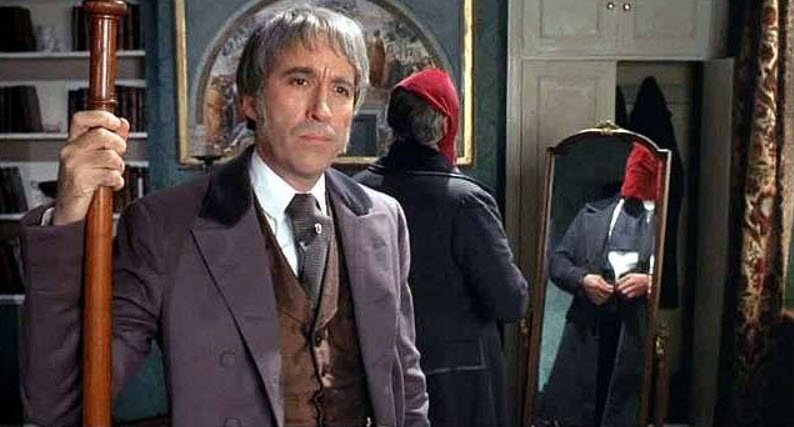
Christopher Lee plays a co-star role in this film but as usual he is, deadly serious, but great too! Below is a snapshot from the film from Wikipedia Commons.
QUICK SUMMARY OF THE MOVIE:
I don't want to spoil the story for anyone so I'll just give a very quick summary of what the movie is about. Sir Edward was disfigured in Africa and is now hidden away in an attic room by his guilt-ridden brother Sir Julian.
Sir Edward is tired of being couped up and comes up with a plan that he forces the family lawyer into carrying out with him. If everything went as planned, it would have given Sir Edward his freedom but of course, Julian throws a wrench into the plans and everything goes haywire.
The plot, although a bit crazy as all plots in British gothic horror from the 1960s is, is a good one. It's plausible and easy to follow. This is a great pick for autumn, even Halloween season. It's a great movie for enjoyment but a good one for writers to learn from as I'll go into below.

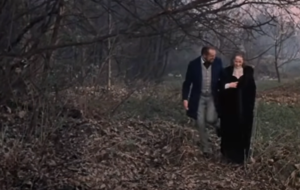 THE ATMOSPHERE: The movie is anchored in the late 1800s and brief atmospheric scenes support his. This is a good way for authors to learn about anchoring the story in England, in the historical time period and giving it the 'gothic vibe' which I'll be referring to throughout this review.
THE SCENERY: The scenery was beautiful but it played a supportive role in this movie. It was just beautiful enough to give the movie a great look and add to the beauty of the movie in general. Any snapshot still could be a writer's exercise is describing an 1800's historical scene.
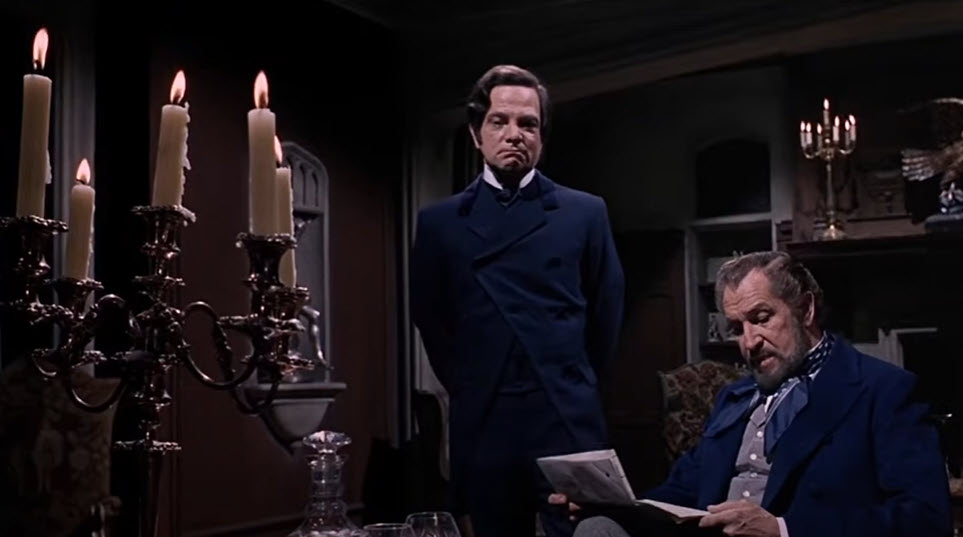
SETS/STAGECRAFT: I love the sets used in this film. I also include the lighting in this category. Although it was a gothic movie, it takes place 'with the proper stage lighting'. This means that you can see everything and every scene is well-lit for drama and atmosphere. It adds to the beauty and enjoyment of the film. Is there anything worse than a modern horror film where you're squinting to see scenes shot in the dark with only one Bic lighter?
This is a great place for writers to look and learn from the ways the background scenes and objects support the scene, transmit additional information, and just anchor the scene into the time period.
COSTUMING: The costuming for everyone is great. All of the actors and actresses in this time frame were beautiful, thin and they all looked amazing in their costumes.
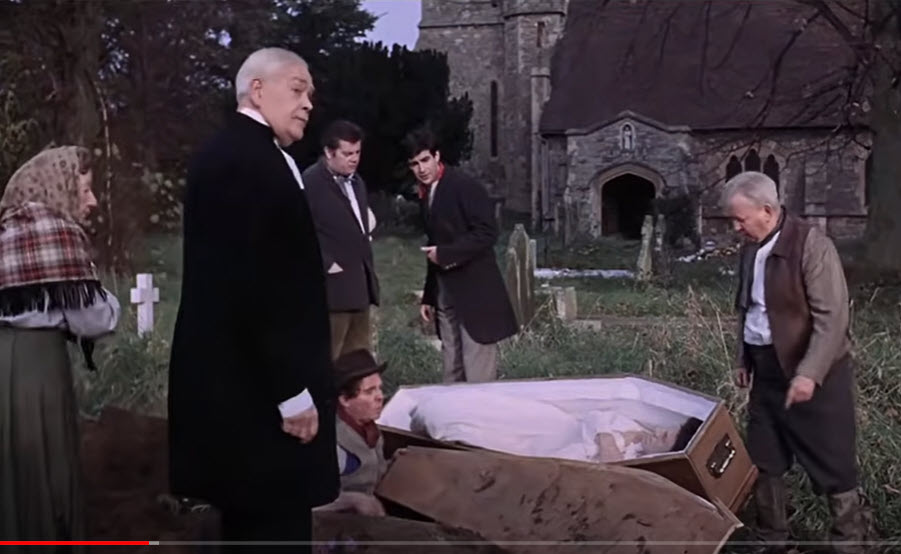
GOTHIC ELEMENTS: It wouldn't be a British gothic movie if it didn't have the prerequisite mansion, candelabra, harlots showing their ankles, wild pub scene, cabriolet, mist in the woods, silhouetted horse chase or a sinister 1800s grave-robbing scientist! It's all here and it's all delicious. This one even has a grave-digging scene which I always love!
STORYLINE/PLOTLINE: This is a great movie for beginner writers to learn from as there is a crazy horror plotline that does require the viewers to suspend their modern belief system to watch. For beginner writers, sometimes it's hard to imagine that you can rely on people setting aside their logic and reason to watch, but they do.
This is also a great plotline to learn about 'the plot twist'. The original plan that Sir Edward had, although it was crazy, it could have worked. But the twist is what happens as the result of his brother Julian wanting to do the right thing.
There are also a couple of additional turns in the plotline towards the end that have a lot to teach about keeping the tension and surprises coming. This would even be a good plotline for an author to reverse engineer to see how it all needs to be foreshadowed from the beginning.
FACIAL EXPRESSIONS AND EMOTIONS:
Any movie with Vince Price is a good one to learn about facial expressions for an author. He is often teased about over-acting, but I don't agree. When you watch him from now almost 65 years later, his acting is perfect for this 1960s gothic horror. His face is very expressive and can teach new authors a lot about the raising of eyebrows, eye movement, and more.
Author Writing Exercise Idea: Make a gif of an actor responding to an action and then describe it. Use a thesaurus and see how many new ways to describe the facial movement you can find. Here is a gif from this movie as an example. See if you can write this scene.
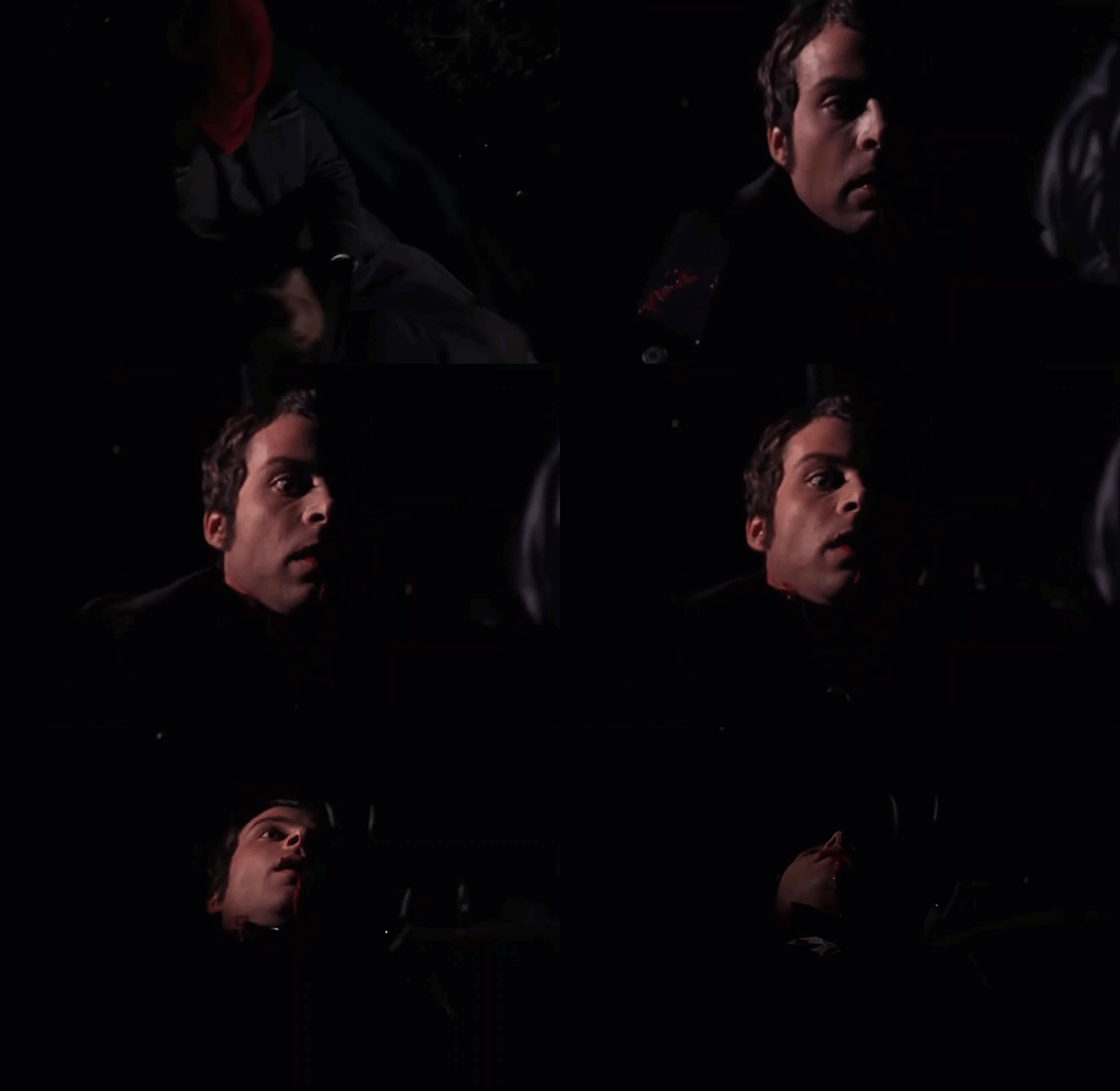
And finally, this is a great script and storyline to learn about 'clipping dialogue tightly'. This storyline is a long one, and with the twists and turns, a lot is covered in each scene. Almost every word spoken -- with the exception of the romance scenes with the ladies -- are conveying important story information. It can teach a lot about how to keep scene lean and move the plot along.
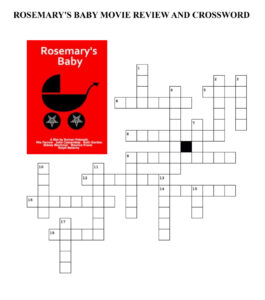
CROSSWORD PUZZLE:
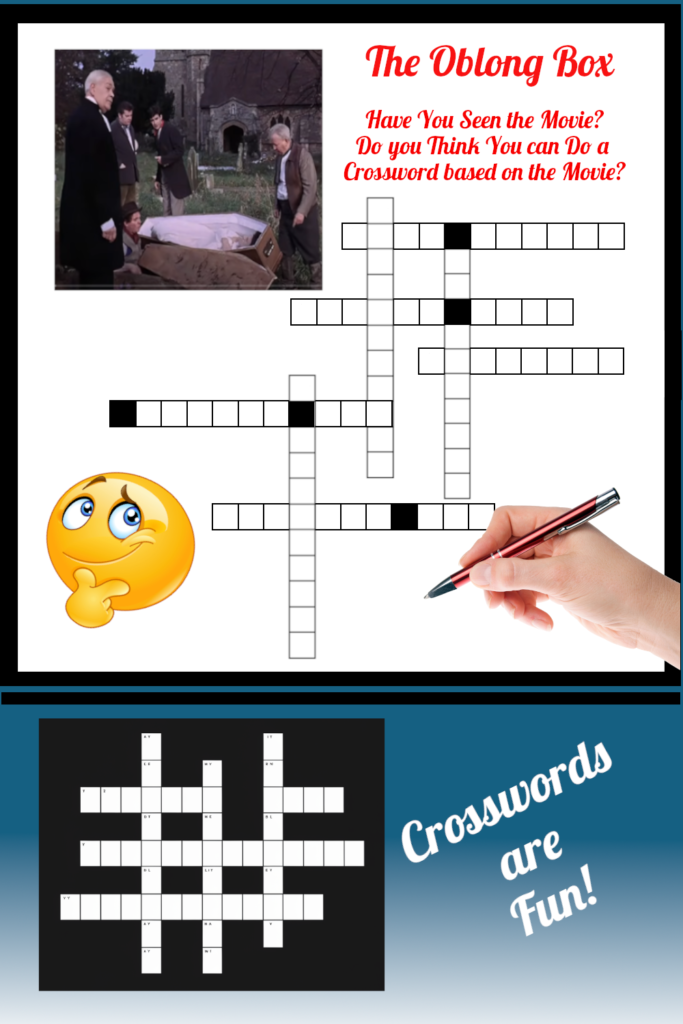
Try your hand at a crossword based on The Oblong Box


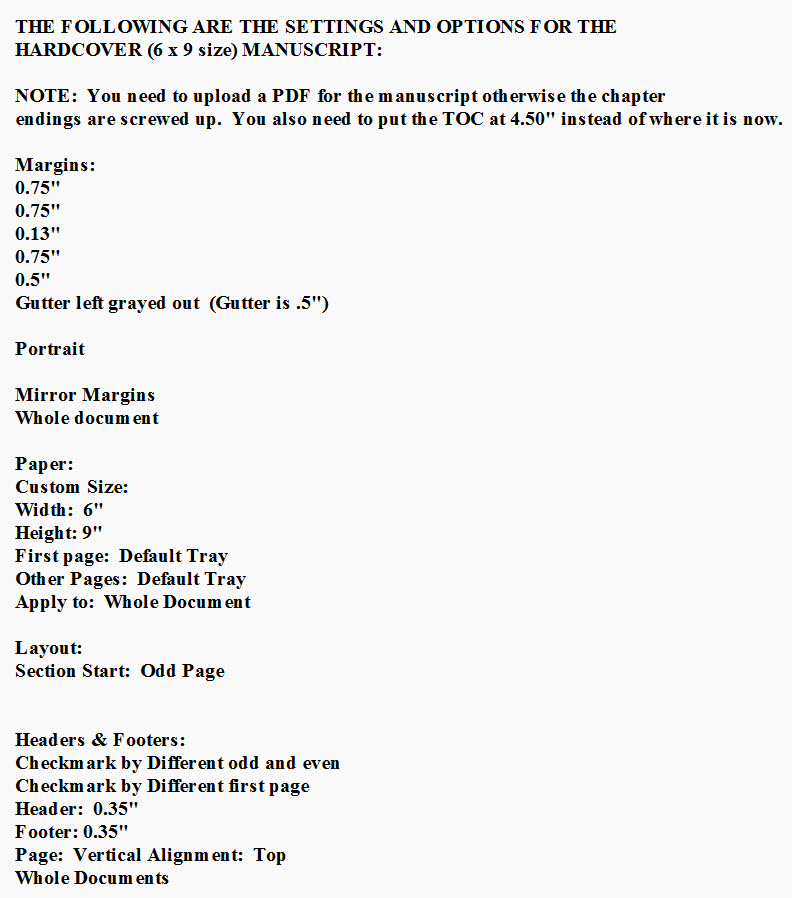
 What makes it possible to use a 6" x 9" ebook template for the eBook is the easy flow settings that are needed so that eBooks can fit on any size eReader, tablet, or phone.

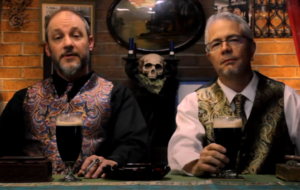 They present the movies on their channel and they begin with a short introduction and quick discussion about the movie and who plays what parts.
 The story for anyone that doesn't know it is that an artist paints a picture of Dorian Gray while he is in his youth. He wonders out loud that wouldn't it be great if the picture could age and he could stay young, instead of the other way around. Well, that's what happens.
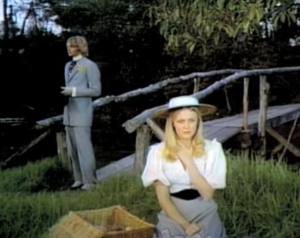 These movies that are shot almost like plays are very helpful in setting a scene for a book. Nothing is ethereal or being described with shooting camera angles or other MTV style movie effects.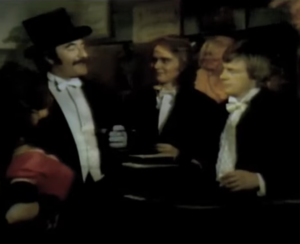
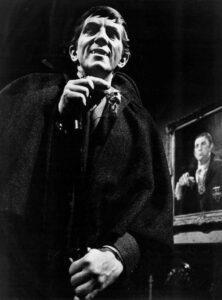 Dark Shadows Reddit Group
 I tried so many times to understand Google Analytics but I never go much further than creating an Analytics property, putting the code onto my website and being able to pull up some information in Google Analytics. Sounds good, right? No, it wasn't.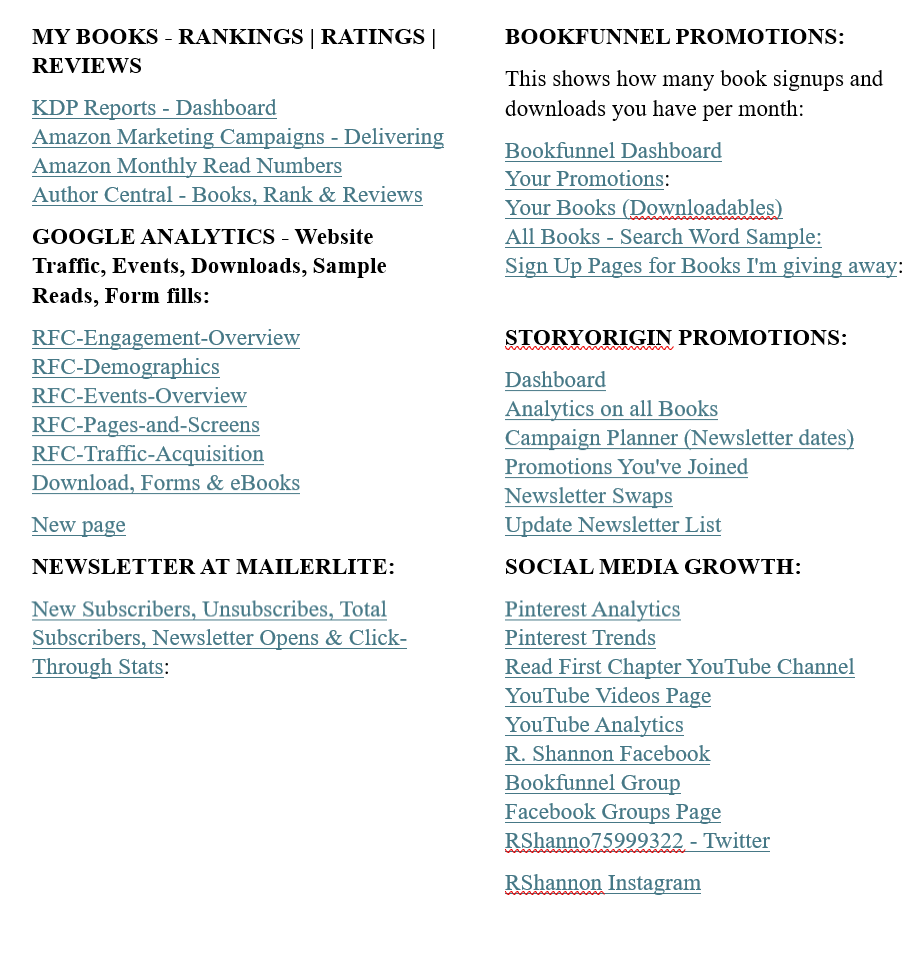
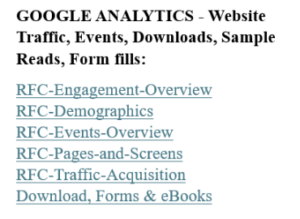 I do still use Google Analytics, but after isolating the specific links I need, I no longer use the menu along the left side of google analytics. Just the sight of it is enough to give me a headache. I simply click on the links that I set up so I can get a few bits of specific data information as described below:
 TIME OUT FOR A SECOND: Before I go into any details, be aware that I shortened all of these google analytics by copying the address bar, going to tinyurl.com, using an alias of RTC which stands for Read First Chapter, and creating a shortened link.
 Traffic Acquisition: This page shows me which social media website is sending me the most traffic. This helps a lot because I don't do that well on social media. In other words, I have very few followers and the quest to get more leaves me cold. I don't particularly like social media, I think aside from posting business ads, it's kind of a waste of time -- with a few exceptions.
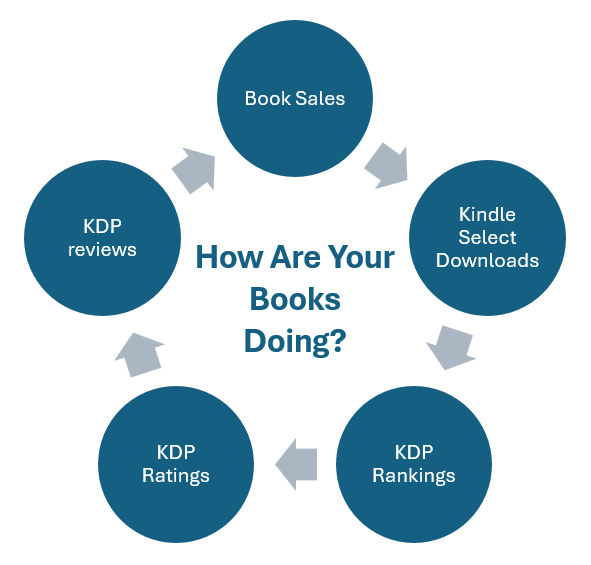
 I will use this system to take a snapshot, a five to ten minute look at the end of each week to see what is going on and to make sure that all of my bases are covered. This sounds easier than it is because a self publishing business is like a one man band. You're responsible for everything surrounding the production, marketing and sales of the books.
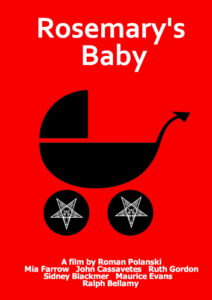 Rosemary and her husband move into an apartment in NYC next to an eccentric but interesting old couple who are a big pushy. They are friendly enough and Rosemary agrees to meet them for dinner with her husband Guy. Guy is an actor and he is struggling. He lost a part to another actor and is disappointed but tries to remain upbeat.
 Minnie makes a fresh vitamin filled drink for Rosemary to consume everyday. Instead of gaining weight, she loses weight. Sapirstein tells her it's normal. Just keep drinking the herb drinks and things will be fine.
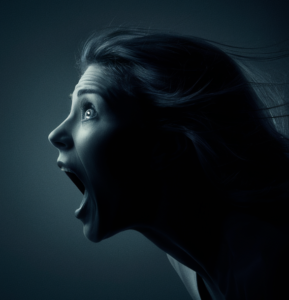 She hears a crying baby through the paper-thin walls in the apartment and even though she is told it's a new tenant who has a baby, she believes it is her baby. She enters Minni's apartment and sees the whole coven of satanists around a bassinette. THereis an upside down cross hanging off the front of it. She peaks inside and is horrified by what she sees.
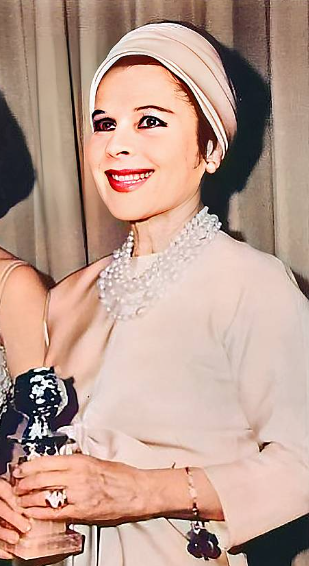 Ruth Gordon plays Minnie, the neighbor, and as usual, her character is hysterical. She appeared funny, quirky and harmless in the beginning of the movie. This added to hiding what was really going on.