
WHY OUTLINING SAVES YOU FROM THE REWRITE PILE
 When you sit down to outline your story before you write a single scene, something shifts. You stop thinking like a writer and start thinking like a builder. That's the whole point.
Most new writers want to jump straight into scenes and dialogue. They've got a great opening line in their head, and they just want to get on with it. But here's the problem: when you write first and figure out the story second, you end up rewriting. A lot. You'll discover halfway through chapter five that your killer couldn't have been at the scene, or that your protagonist's motivation doesn't hold up, and now you're tearing apart pages you already fell in love with.
Outlining lets you put on a few different hats before you ever put on your writer hat. Each one has a job to do, and if you do those jobs first, the writer hat gets to show up later and just write — no backtracking, no throwing chapters in the trash.
Here are the professional hats you'll need to wear:
 The Brainstorming Hat — This is the first hat, and it's the loose one. You wear it when you're sketching out a few possible storylines, just to see which one has legs. This is quick work — short, messy ideas, not finished plots. The goal isn't to pick "the" story yet. The goal is to make sure whatever story you commit to actually has enough potential for twists, turns, and a full novel's worth of trouble. Don't skip this hat. Committing too early is how writers end up 40,000 words into a story that runs out of gas.
 The Story Engineer Hat — Once you've picked your storyline, this hat goes on. This is where you lay out the bones of the story — what happens, in what order, and why. You can do this with short paragraphs, a bulleted list, index cards, whatever gets the structure out of your head and onto something you can look at. It won't be pretty. It's not supposed to be. This is the layer where you make sure the story actually holds together before you build anything on top of it.
 The Location Scout Hat — This one comes after your story has taken shape in the engineering stage. Now you go looking for the places where all of this is going to happen. Where does the crime scene sit? What's down the street? What does the neighborhood look like? Putting in a little effort here pays off twice — it makes your story feel grounded and real, and if you've ever thought about your book being adapted for film or streaming, having real, scoutable locations gives you a head start.
Wear these three hats well, and by the time you put on the Writer hat, the heavy lifting is already done. We'll talk about the other hats you wear before the Author's Hat in our next article.
Writing a Novel in Layers

Have a peek behind a real novel.
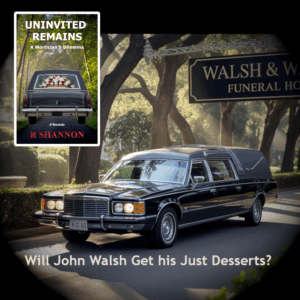
John Walsh is a successful funeral director with a loving family but he has a weakness for other women. The modern world thinks cheating is a victimless crime, but is it?
Movie Reviews
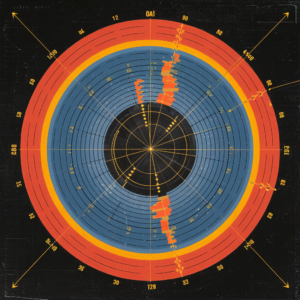
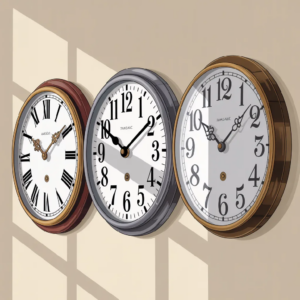 Writing a mystery is like building a clock. While the reader only sees the hands moving steadily forward, the internal gears—the secrets, the motives, and the hidden history—must mesh perfectly for the story to "tell time" accurately.
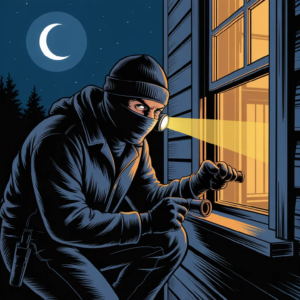 This is the "Backstory" or "True History" of the event. It begins long before the first chapter and usually ends the moment the detective arrives on the scene.
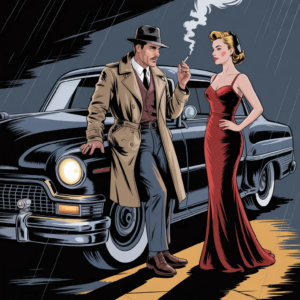 A mystery novel isn't just a logic puzzle; it’s a story about people. This timeline tracks everything that isn’t the murder—romance, personal growth, professional conflict, or side-mysteries.
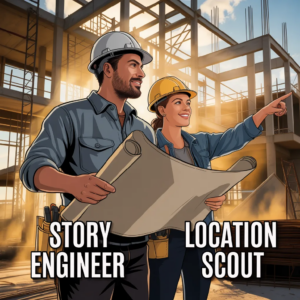 Writing the first draft is about getting the story down and not much else. So this timeline tracking doesn't start until you have finished the first draft. The first draft is merely blurting out the story. You don't even have your writer's hat on yet. You are only the story engineer and location scout at this point.

 The biggest hurdle for new writers isn't a lack of ideas; it’s the pressure to be an "Author" too soon. If you sit down at a blank page expecting to produce polished, rhythmic prose on your first try, you’ll likely stall before Chapter Two.
 Before the first sentence is written, you are an Engineer. You aren't worried about the beauty of the bridge; you’re worried about whether it can hold weight. During brainstorming, your job is to stress-test your concept. Does the plot have enough tension? Is the protagonist’s motivation strong enough to power 300 pages? You are building the foundation.
 If you are writing a mystery or a thriller, it’s time to put on your Investigator’s hat. You are working backward, looking at the "crime" and deconstructing it. You need to know exactly how the deed was done before you can hide the truth from your readers.
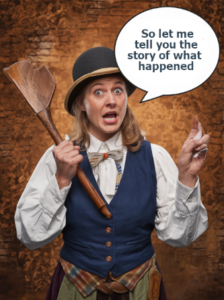 This is the most critical phase. Now, you put on your Town Crier hat. Your only job is to blurt out the story as fast as you can.
 It is only when the draft is finished—when the "The End" is typed and you finally sit back to review the context of the entire journey—that you finally put on your Author hat.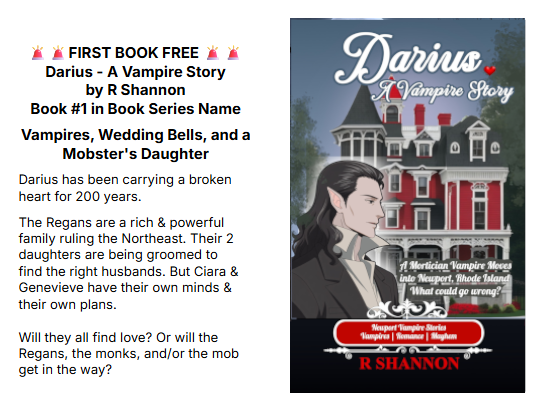

 There are many blog posts and videos on the internet about how to write a novel. Much of the advice is general in nature and only broad-stroke tips. This video seeks to go one step further and open my last book, which is still being proofread in Layer 8, and show a work-flow demonstration.
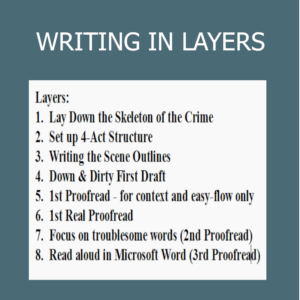 I am in the process of finishing my 14th novel. I started out like many of you as a self-taught author who took in unorganized, uncurricularized information and had to make sense of it all. I devised this 8 Layer system to try to write a novel as efficiently as was possible. I offer it to you for whatever weight you wish to give it.
 In a mystery, crime novel, or thriller, the clues and their revelations need to be planned so the story clues can remain disjointed in the beginning, but then slowly come together like a jigsaw puzzle. This keeps the reader guessing -- which is part of the mystery readers' enjoyment.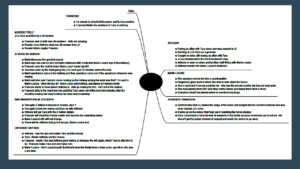
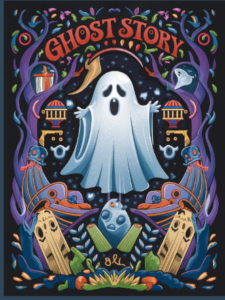 1. Who is the Ghost? Why has the Ghost arisen? Why is the Person not Resting in Peace? What is the Ghost's purpose for appearing? This is the backstory that will be dropped like breadcrumbs throughout the storyline. (Ghost-Story.png)
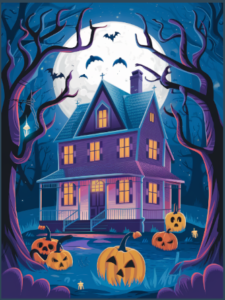 1. What is it about the house that's creepy?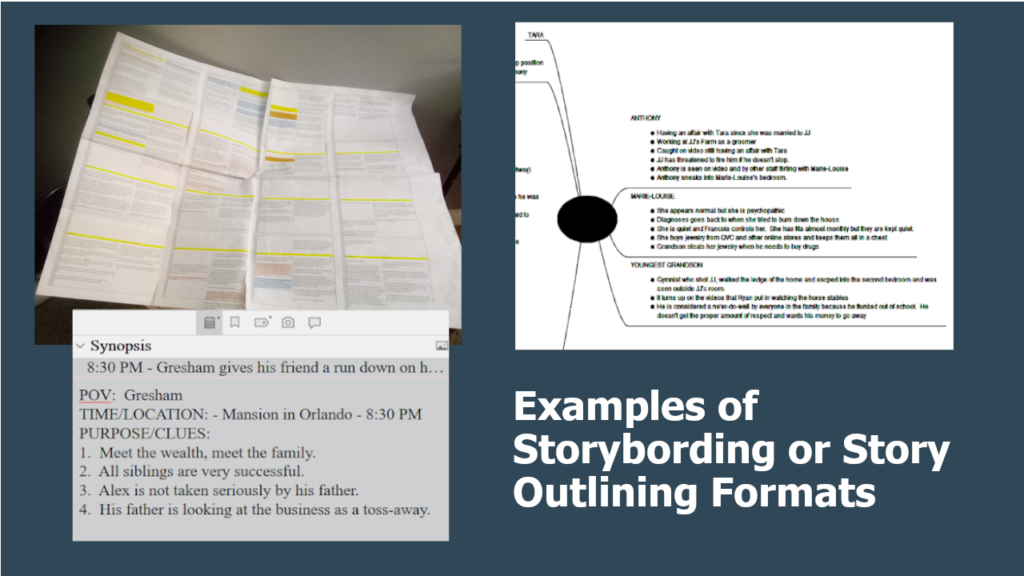
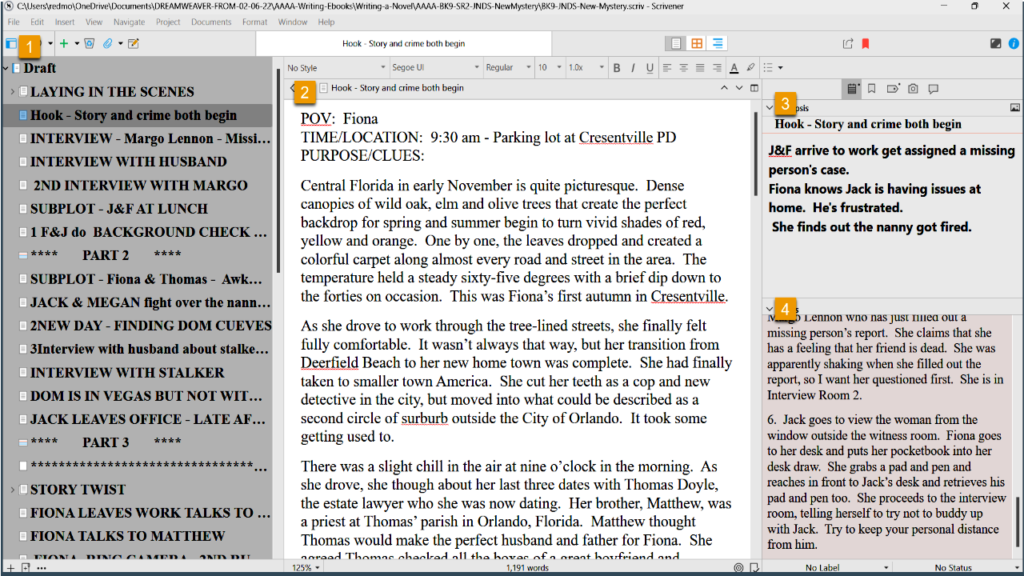
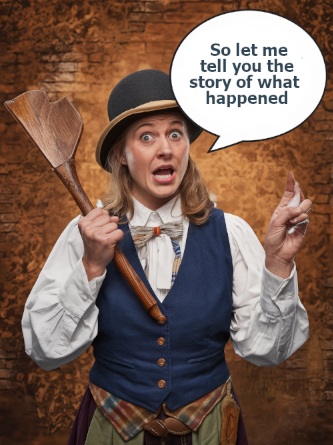 It may help to think of yourself as more of a Town Crier.
 1. Using the read aloud feature in Microsoft Word, I read the book aloud as I read along with it. This gives you an idea of how the book will sound in the reader's mind.
 Most of these mistakes were ones that were not even on my radar at the time they were made.
 When I first got the idea of writing a novel, I did research for about a year. I read several how to books on every subject under the title of writing a novel and self-publishing. (Cat on book shelf)
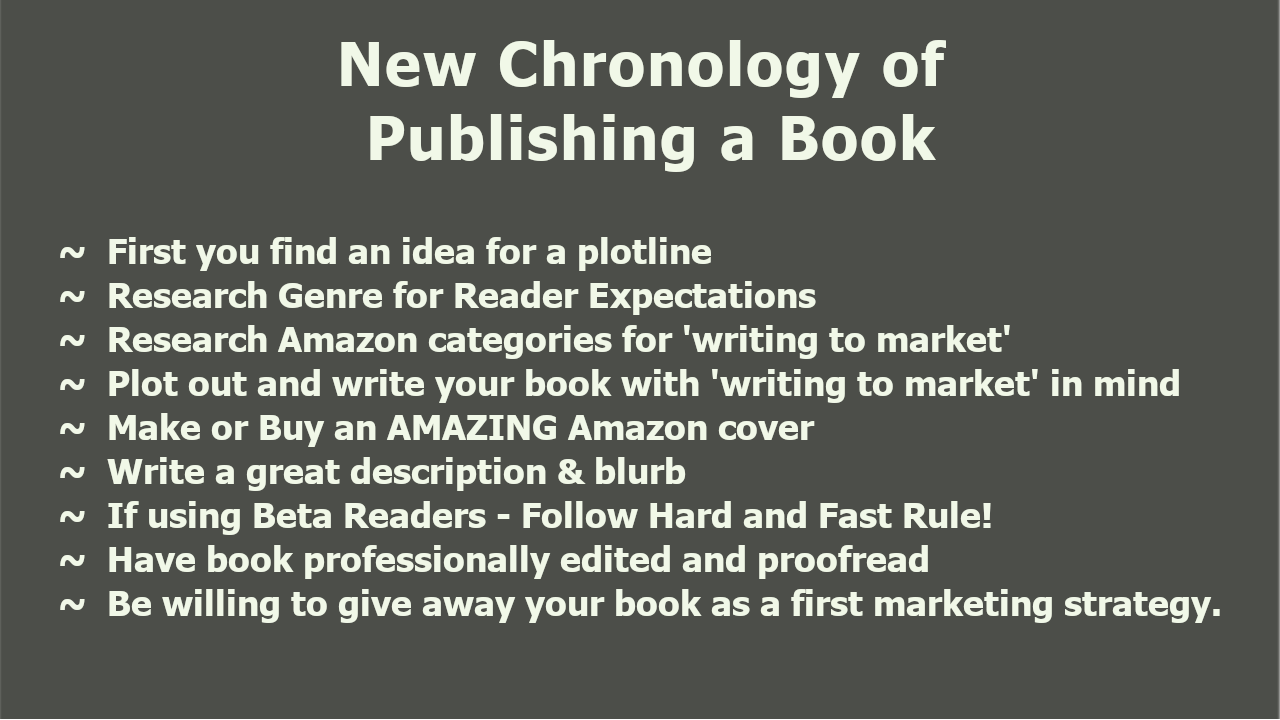
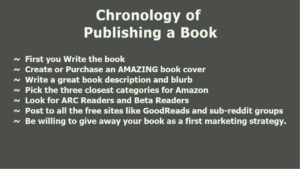 So above is a list of the chronology I pieced together as being the proper chronological list of how to write and publish a book:
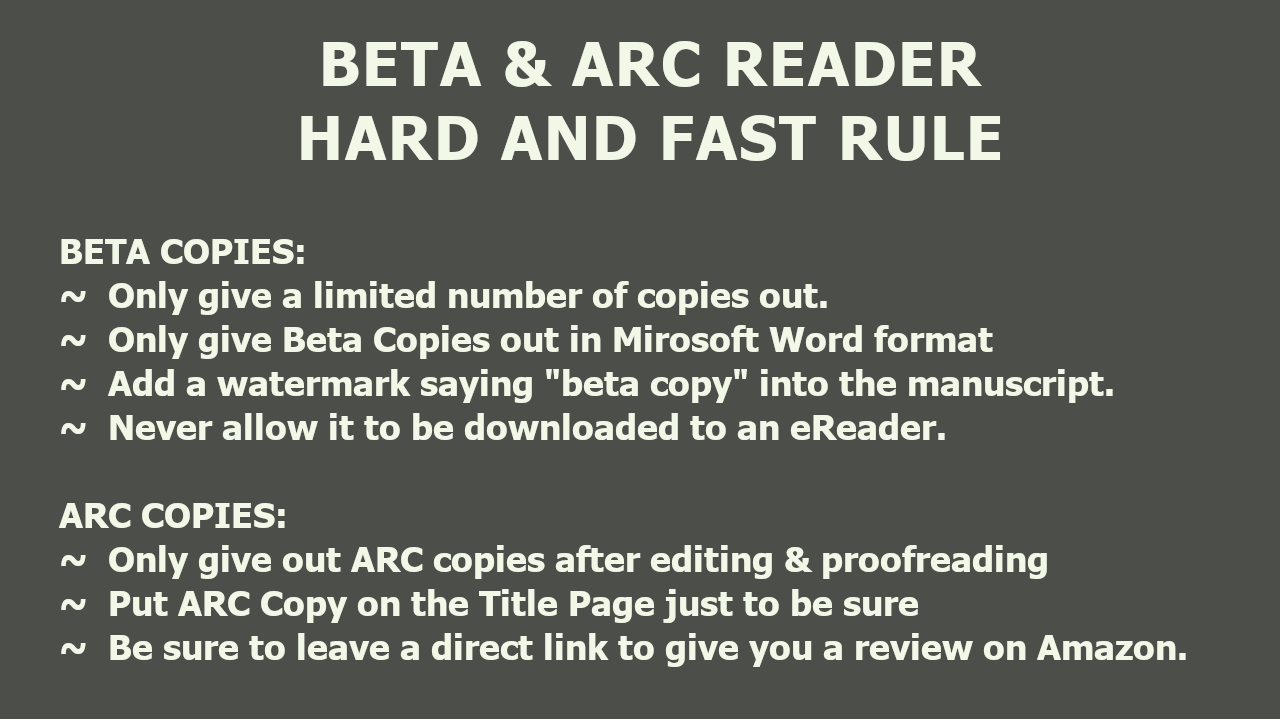
 Beta Readers often times read books very early in the process -- before the book is even finished to give early feedback. This is a great idea if you're not sure about your characters or if the plot is good enough, etc. Let's face it, in the beginning it's hard to think you're book is a masterpiece when it's your first one -- at least it was for me. There is a definite high-level purpose in having Beta Readers. They are worth their weight in gold.
 However, here is where I made the terrible mistake and found out the hard way about this particular landmine: I offered my Vampire book Darius - A Vampire Story as a beta book but it had not been finalized, professionally edited or proofread. Now, in the ad copy for the link to download, I clearly posted it as a beta copy that had not been edited, etc. However, once a book is downloaded to an eReader, no one will remember this book is only a beta copy. And the second mistake I made here was that I didn't put anything in the book itself.
 The first time this happened, I just thought the reader was a bit crazy. But after this happened several times, it was only then that I realized that I had released hundreds of beta copies that now lived on people's eReaders. And for some reason, there are a lot of readers who take typos or grammar errors personally. It seems to trigger them and their reviews are more like rants.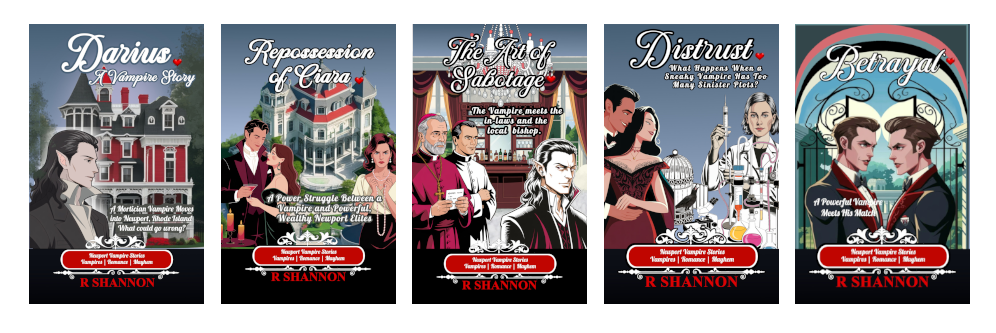
 GoodReads is probably the largest single pool of avid readers and book lovers out there. But goodreads can be a tough crowd for new writers. This is where Darius's bullying started. If I had to do things over again, I would not have focused on Goodreads as a first place to release my books -- even after they were fully edited and proofread. Unfortunately, many of the videos I watched during that first year, talked about how great goodreads was helpful to find beta readers and arc readers and launch a book.
 I didn't realize that the categories on Amazon have a hierarchy to them. It may have been because we were originally allowed to put each book into 10 categories. I had watched a video by
 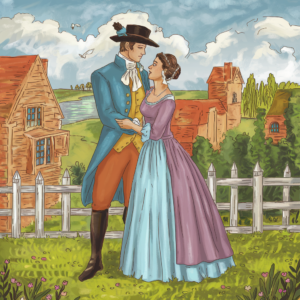 So the time to think about the categories is before you even plot out or write the book. Once you have a plot idea, that's the time to look at the categories and think about where the book would fit, and what you can tweak about the storyline to fit into a sub category or a less competitive category? Can you make the story happen in the west to be a Western Romance? Can you put the story into olden times to make it a historical novel, ore even better, put it in a specific time period? The time to think about categories is right after you have know you have a workable plotline.
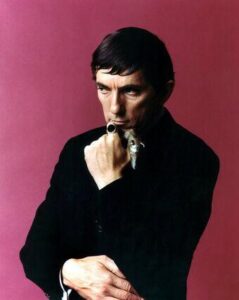 Mistake Number five requires a little explanation. My inspiration for my vampire series was the old Dark Shadows Soap Opera from the late '60s and early '70s. I never watched it as a kid but everyone I knew did. I didn't watch it because I had to walk too far to get home from school in time. This vampire series, like most soap operas at that time, was melodramatic and being a gothic and supernatural story, the storylines were completely crazy. But I loved the show anyway.
 So, with limited knowledge of the whole vampire genre, I went on to write a vampire book series. My vampire owns and operates a funeral home and keeps a bevy of 3 women to supply the blood he needs. He normally picks up runaways from the train and bus stations, but he winds up falling in love with the daughter of a wealthy, influential family in Newport Rhode Island. There is also a monastery of monks that live on the opposite side of the cemetery that Darius also owns.
 So how does all this fit into mistake number 5? Well, there's no category for tongue-in-cheek vampire stories. Also, fifty years have passed since this show ended and a lot has happened to the vampire genre in that time. First there was Anne Rice and her books and subsequent movies which are all dead serious and there's no tongue in cheek humor of any kind. I only read the first book and it was steeped in darkness and despair. Because I read for enjoyment, the level of despair was too much for me so I never read the other books.

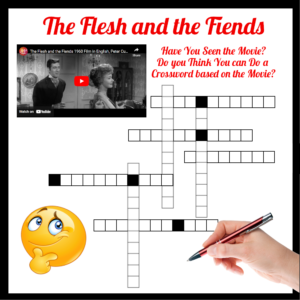
 Turning the viewing of a movie into a writing exercise will change the way in which you watch the movie. For your spouse, it won't change anything. Most people love to go into the story not knowing anything. There are some who any hint of a spoiler will ruin the movie for them. You may be one of them now!
 Find a summary of the movie on Wikipedia. Most movies have a page about them and it gives all the technical information about who wrote the original story, the producer, director, stars, etc. But there is a section entitled PLOT. This is where the plot is laid out for you.
 To be honest, most plots are too long to even remember or put together with one reading. I can usually follow the plotline for about the first four paragraphs. After that, I can't remember who is who but it doesn't matter. As long as you have a gist of an idea of what will take place, it allows you to watch for it.
 WRITING EXERCISE: Next time you are sitting down to write, pull up the picture and create a scene in your head -- not from the movie, but from your own imagination. Using this setting as inspiration, think of something that is about to happen in the room or what just happened in the room. Be sure to include a description of the room and/or the main elements in the room. This exercise alone will improve your descriptive writing and could even lead to a short story! You never know.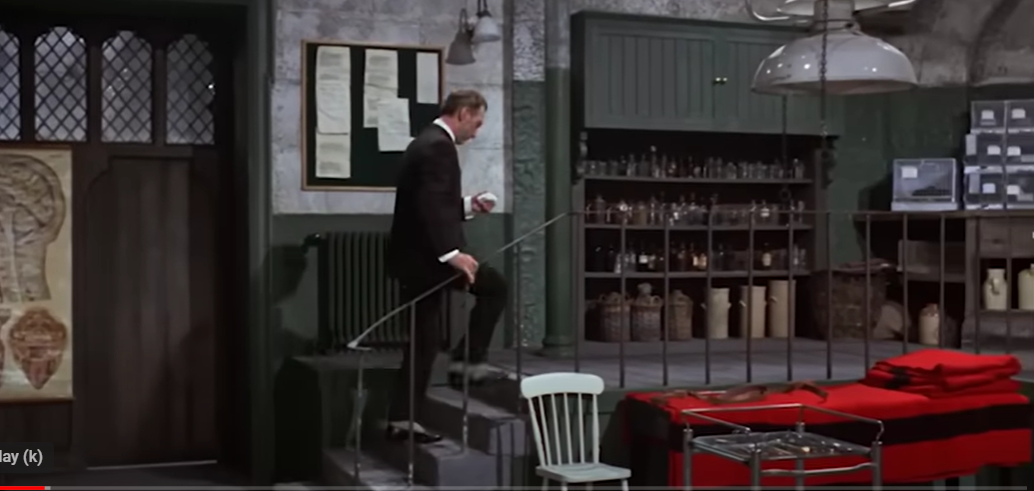
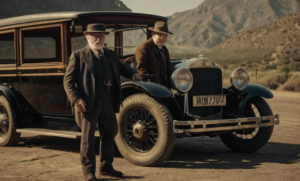
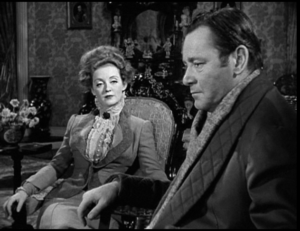 THIRD: Classic films relied more on dialogue, staging and backdrops to tell the story. This is the richness that I find most helpful to see and learn from as an author. Modern storytelling is worried about the 3-second attention span. Older movies assumed the audience was grown up and could sit still and pay attention for a few minutes without intense stimulation.
 FIFTH: Newer movies have upgraded post production technology and CGI, so they are now focused on movie effects, jump scares and gore shocks. Although many of you may enjoy this type of thing, it really doesn't have much to teach a new author.
 Everyone has to find their own subgenres whether it be old gothic movies or old mystery movies. But a good place to start is at Wikipedia. Below are two links to the 1960s and 1970s in film. Movies made in these years would fall into the categories I mentioned above.
 If you are watching the movie on a computer, take a screen shot of a scene and then set up an imaginary happenstance that occurs in this setting. Describe the setting in words, attempting to capture the essence of what you saw on film. Doing this a few times will help you get better and better in describing backgrounds and scene settings.


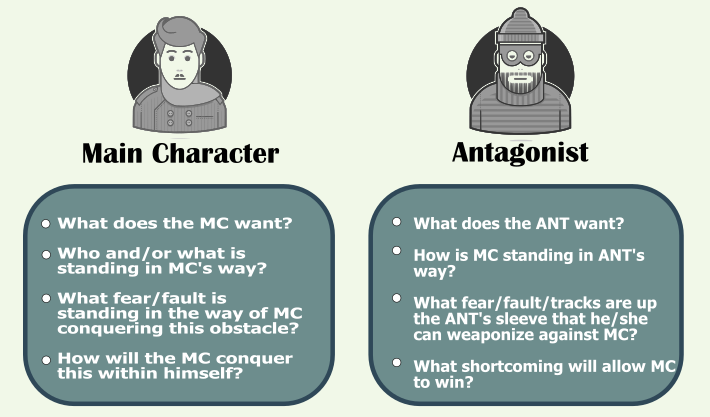
 I use a four-part plot structure, so I break my character arc into four sections. This allows me to keep up with the character development and also don’t resolve the inner conflict too early.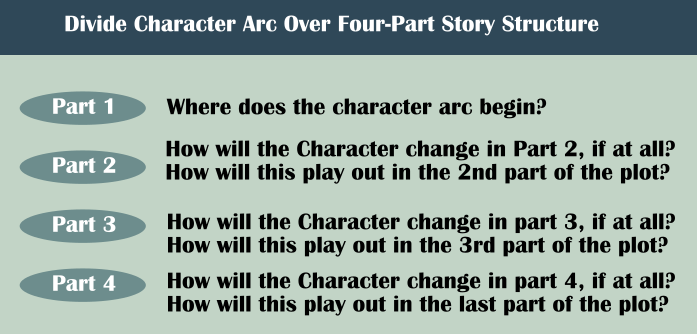

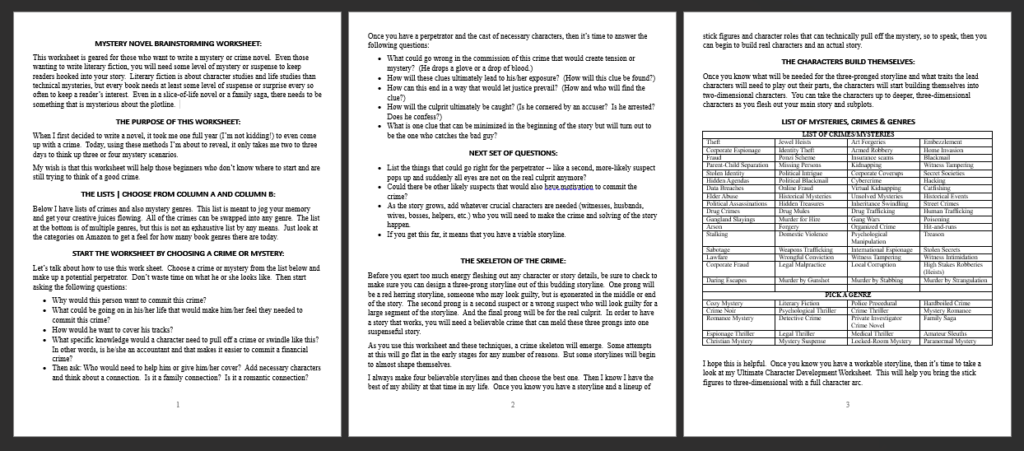
 If you are stumped for a main story, or if you are stumped for what happens now, or even if you have written yourself into a bit of a corner, this instructional will help, along with your own creativity and thinking, to bring about new possibilities.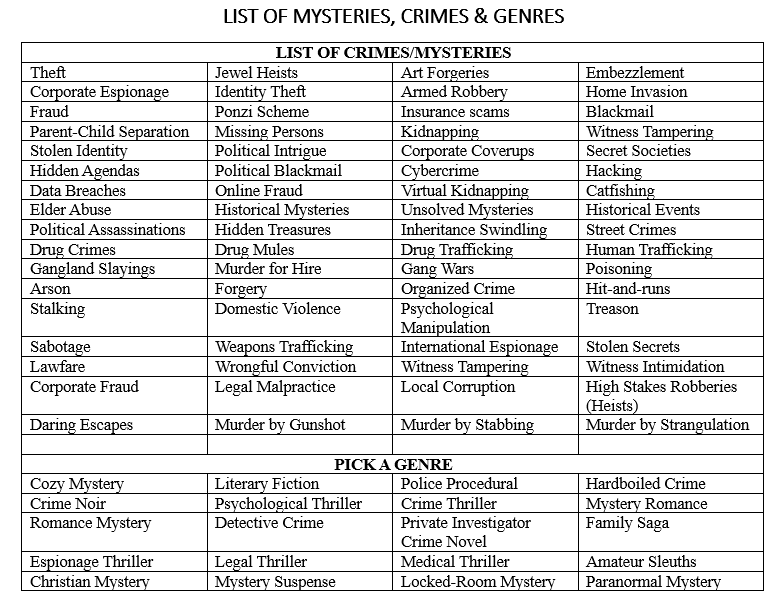

 Once you have a perpetrator and the cast of necessary characters, then it’s time to answer the following questions: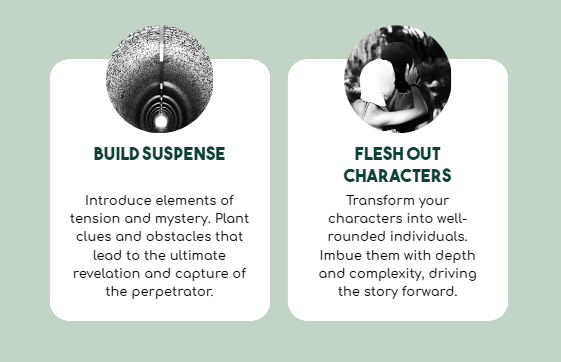
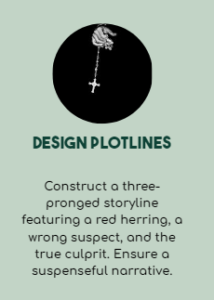
 Before you exert too much energy fleshing out any character or story details, be sure to check to make sure you can design a three-prong storyline out of this budding storyline. One prong will be a red herring storyline, someone who may look guilty, but is exonerated in the middle or end of the story. The second prong is a second suspect or a wrong suspect who will look guilty for a large segment of the storyline. And the final prong will be for the real culprit. In order to have a story that works, you will need a believable crime that can meld these three prongs into one suspenseful story.
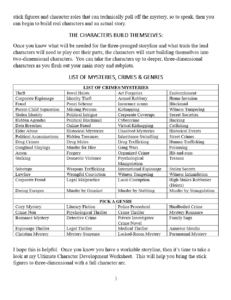 As you use this worksheet and these techniques, a crime skeleton will emerge. Some attempts at this will go flat in the early stages for any number of reasons. But some storylines will begin to almost shape themselves.