From Engineer to Author: The Many Hats of a First Draft
 The biggest hurdle for new writers isn't a lack of ideas; it’s the pressure to be an "Author" too soon. If you sit down at a blank page expecting to produce polished, rhythmic prose on your first try, you’ll likely stall before Chapter Two.
The secret to finishing a novel is realizing that "Author" is actually the very last hat you’ll wear. To get to the finish line, you need to cycle through a whole wardrobe of different roles first.
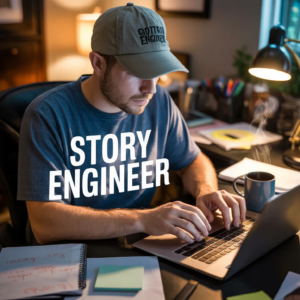
1. The Story Engineer (Brainstorming)
 Before the first sentence is written, you are an Engineer. You aren't worried about the beauty of the bridge; you’re worried about whether it can hold weight. During brainstorming, your job is to stress-test your concept. Does the plot have enough tension? Is the protagonist’s motivation strong enough to power 300 pages? You are building the foundation.
2. The Location Scout (Setting the Scene)
Next, you become the Location Scout. Writers often forget that a setting is more than just a backdrop—it’s a silent character. You must decide where your scenes take place and how those environments "speak." A tense conversation feels different in a crowded elevator than it does in a vast, empty cathedral. Scout your locations and make sure they are working for your story.
3. The Investigator (The Crime Skeleton)
 If you are writing a mystery or a thriller, it’s time to put on your Investigator’s hat. You are working backward, looking at the "crime" and deconstructing it. You need to know exactly how the deed was done before you can hide the truth from your readers.
It's important to pick clues that wll point to no one or everyone in the beginning. It's important to know what will give rise to each suspect. This is all part of the spine of the story.
Often, this stage will look like a maze, with each suspect dead-ending at a different point, until only the True Culprit is revealed.
4. The Producer & Director (Plotting & Pacing)
Once you have the skeleton, you become the Producer. This is where you organize the elements. Where will the clues drop? Who will they point to? As the Director, you decide the "camera angles" of each scene—whose perspective we follow and how the information is revealed to the audience.
5. The Town Crier (The Rough Draft)
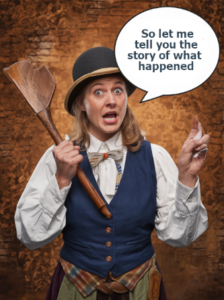 This is the most critical phase. Now, you put on your Town Crier hat. Your only job is to blurt out the story as fast as you can.
-
Ignore the Grammar: The Town Crier doesn't care about commas.
-
Forget the Spelling: If you know what the word meant, move on.
-
Don't Look Back: If you realize you changed a character's name in Chapter 4, don't go back to Chapter 1 to fix it. Just keep going.
You are simply shouting the story onto the paper. It will be messy, it might be loud, and it will definitely be "rough," but it will be done.
The Final Reveal: The Author
 It is only when the draft is finished—when the "The End" is typed and you finally sit back to review the context of the entire journey—that you finally put on your Author hat.
Now, you can worry about the cadence of the sentences, the perfect metaphors, and the correct verb tenses. You can’t "author" a vacuum. You can only author a story that actually exists.
The goal of a first draft isn't to be good; it's to be finished. Keep writing, stay in character, and don't let the Author in the room until the Town Crier has finished his job.
Check out my new Brainstorming Workbook!

Free Download for a Limited Time
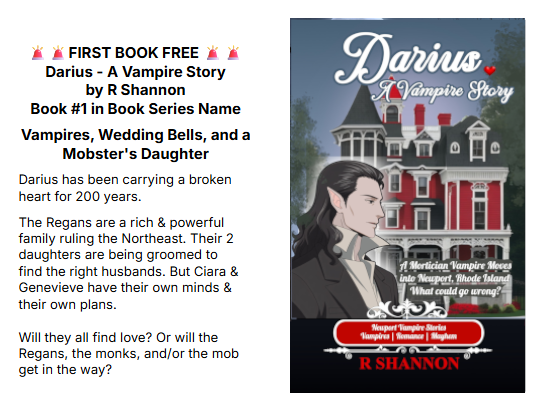
New Release - Free Download
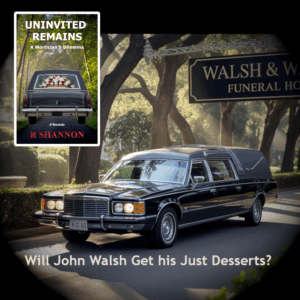
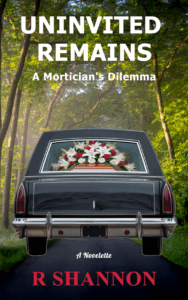
John Walsh is a successful funeral director with a loving family but he has a weakness for other women. The modern world thinks cheating is a victimless crime, but is it?

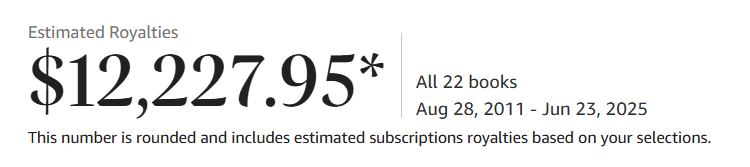
 I have written and published 14 full length novels and one novelette to date. I only started writing novels in 2022 so at this point, I have sold and given away many books but have no idea how well or how bad my marketing of the books is doing.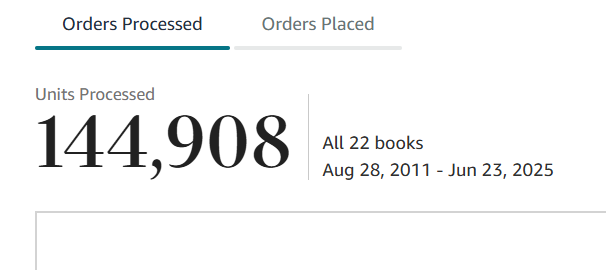

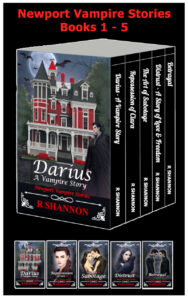 How exciting! I just recently put together my first book bundle for my Newport Vampire Series and decided to put together a how-to blog and video for anyone else who wants to learn how to do it. I've organized the process and I've posted it below and will have a video to accompany it. I hope it saves you several hours of research!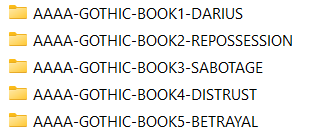
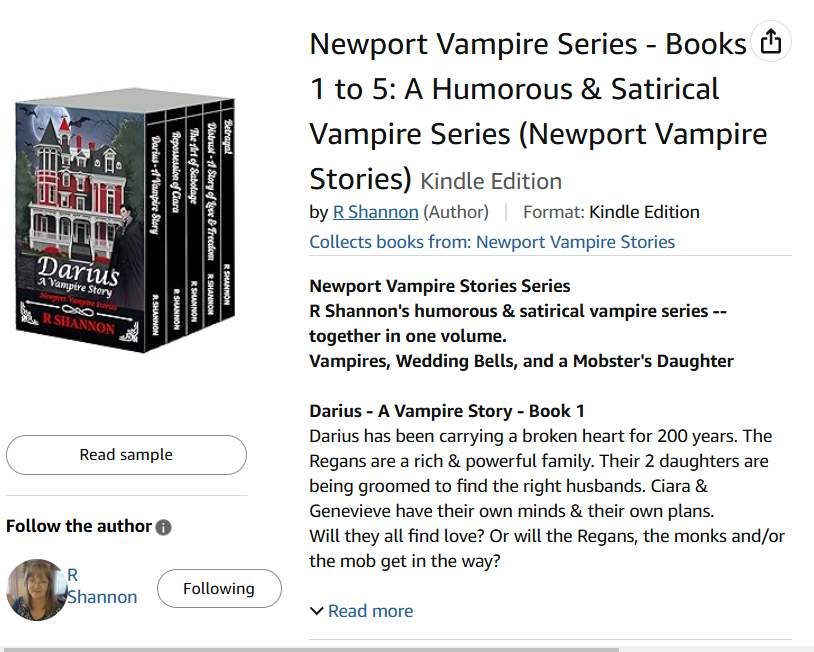
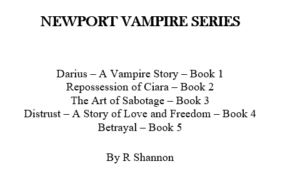 the title of the book to the title of your series. For example: My book was called Darius - A Vampire Story so I changed it to Newport Vampire Stories Series, and listed all five books followed by my author name. I was happy with the way it looked in the final manuscript. If your books have subtitles, I would just put them under the title of the books.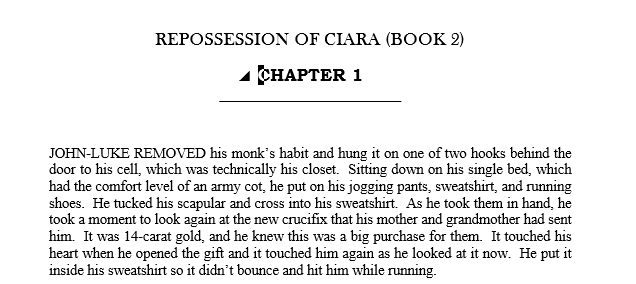
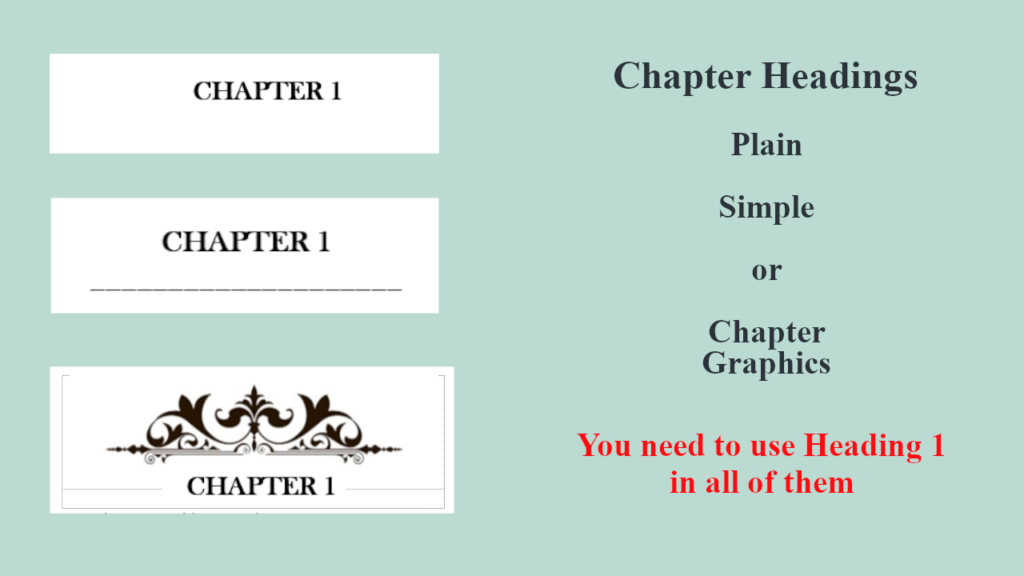 Chapter title graphics can be very tricky with the 'easy flow' settings and all the different eReaders that use the Kindle App. I've started using a simple Chapter underline and seem to have no problems with it.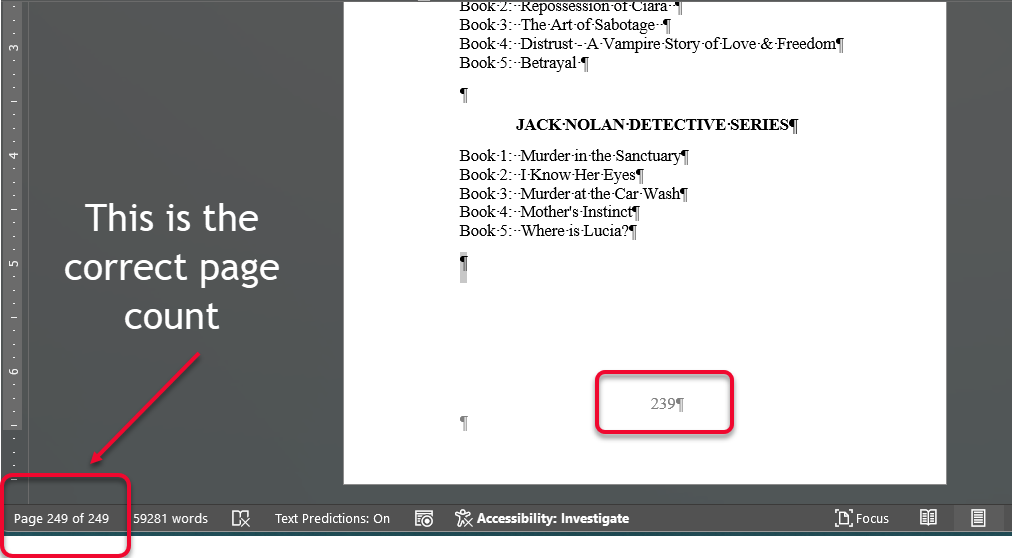

 If you, however, are self-publishing and are planning to do your own marketing, giving away your book, especially when you are just breaking in as an author is crucial. Once you decide to give away your books, you will need a PDF document and an ePub document.
 As I'm sure you already know, you can create a PDF inside Word, so that's not a problem. However, you will need a conversion program to create the ePub. I use the program called Convertio.co. This is a paid plan, and it comes to $9.00 a month at the time of this blog. If you only have one book, you can sign up for one month and then stop the service -- but check to make sure that's an option before you do that.
 Sigil is a program for making or polishing up ePubs after conversion. I always had to get rid of a lot of crazy codes in the ePub so that's why I used Sigil throughout the years.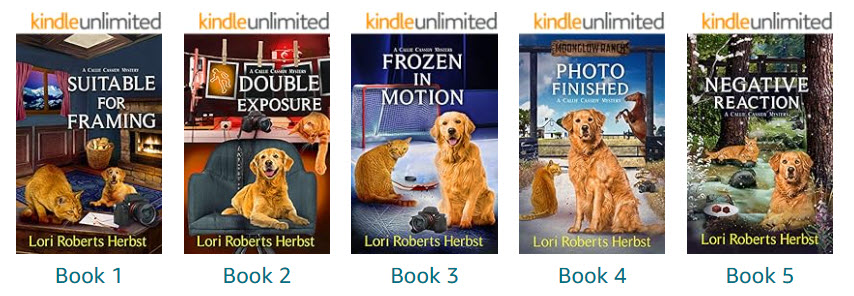
 Shared background picture
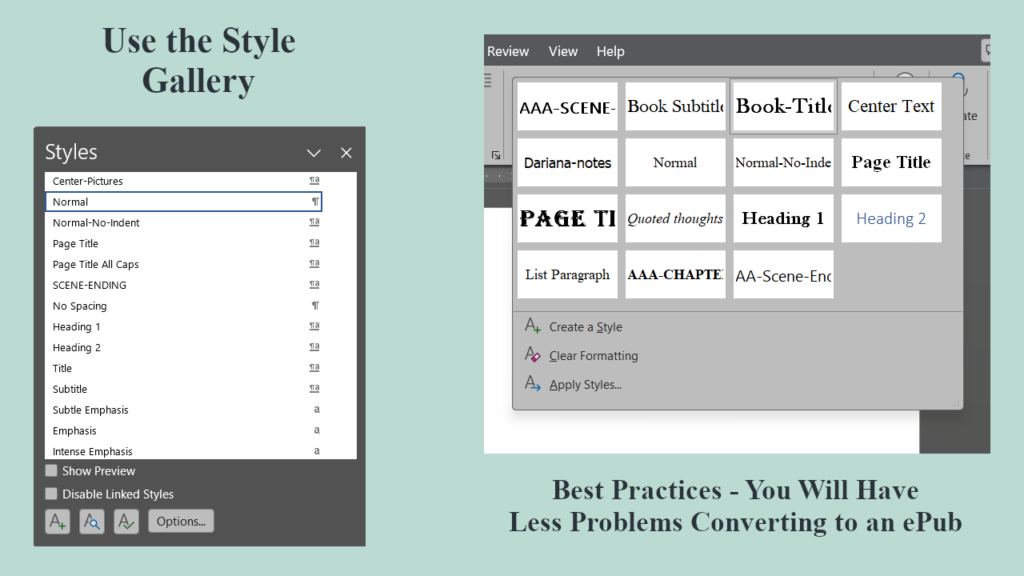
 So when you upload a book onto KDP, especially as a Word document, it is uploading one paragraph and one headline at a time. Then when it delivers the books, it is like pouring the book onto an eReader like a glass of iced tea. Most of the font choices will be ignored in this upload. EVEN IF YOU EMBED THE FONTS!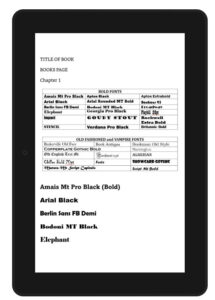
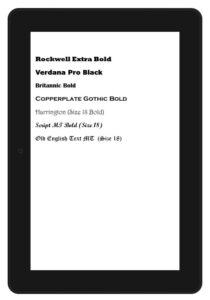
 Now, you will upload pdf files for the paperback and hardcover manuscripts, so you can use whatever font you want. You will need to embed the fonts in the document (which is done from the options section) but however your book looks in the pdf, it should be okay.
 What makes it possible to use a 6" x 9" ebook template for the eBook is the easy flow settings that are needed so that eBooks can fit on any size eReader, tablet, or phone.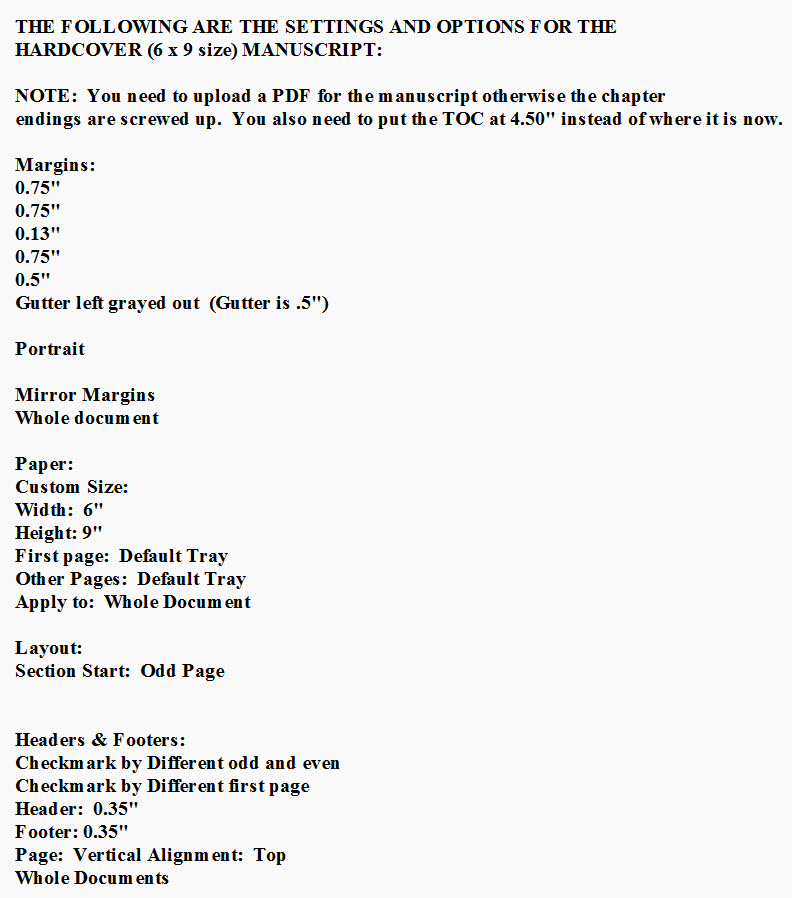

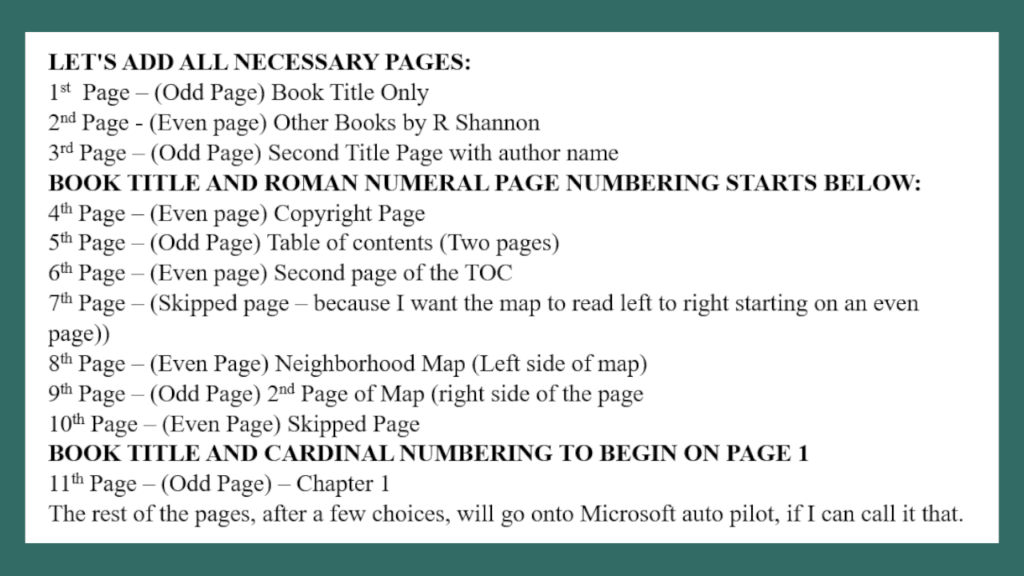
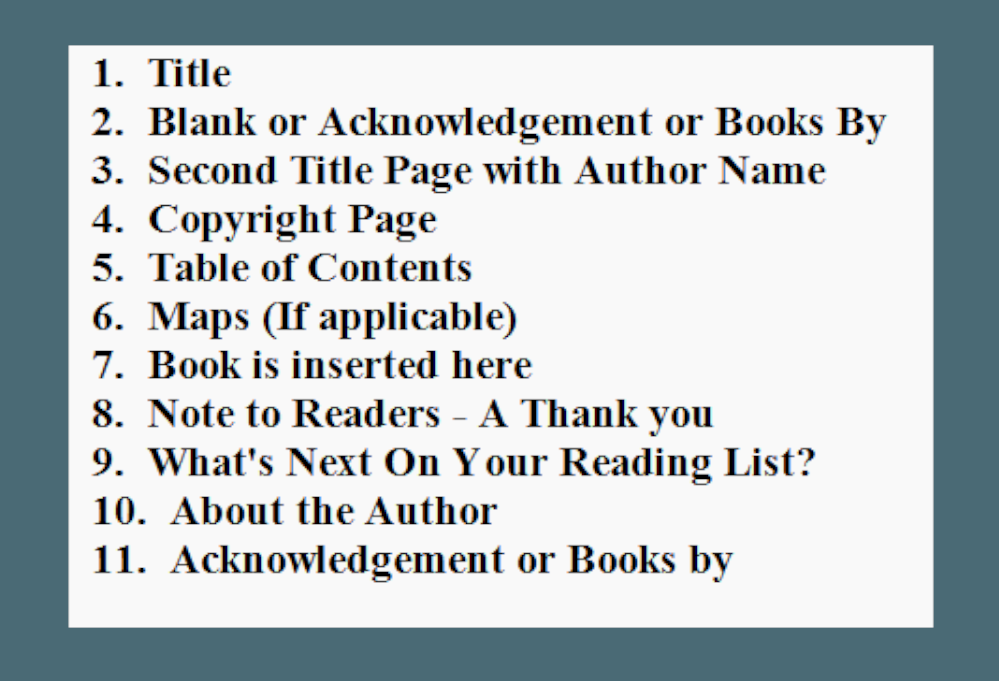 This book is for beginners who are publishing their first or second novel and they are still a little skittish about what else goes into a book. I’ll lay it out so you can easily follow the list and be confident that you’re not forgetting anything. These page suggestions are taken from the publishing industry. These are the pages that appear in a book published by a publishing house.