WHAT DOES ALL THIS RESEARCH HAVE TO DO WITH WRITING A POLICE PROCEDURAL?
 I'm writing Book 4 in the Jack Nolan Detective Series and there is the possibility of a financial crime. I did some research on how detectives can get financial records. I mean, do cops just call and ask nicely? No, there has to be a warrant.
Actually, there's a whole procedure about getting financial records. I cobbled this together from a few searches I did pertaining to getting records from a financial institution. I hope it helps.
HOMICIDE DETECTIVES NEED TO GO FORMALLY BEFORE A JUDGE FOR A WARRANT FOR FINANCIAL RECORDS
 Yes, homicide detectives need to formally go before a judge to get a warrant to see financial records. They cannot ask a district attorney to get it informally. This is because financial records are protected by the Fourth Amendment of the U.S. Constitution, which protects against unreasonable searches and seizures. In order to get a warrant, the detectives must show the judge that they have probable cause to believe that the financial records contain evidence of a crime. They must also specify the records they are seeking and the financial institution where they are located.
COMMON PROCEDURE FOR OBTAINING A WARRANT FOR FINANCIAL RECORDS:
 The common procedure for obtaining a warrant for financial records is as follows:
- The detectives will file an affidavit with the court, which will state the facts that they believe give them probable cause to believe that the financial records contain evidence of a crime.
- The judge will review the affidavit and decide whether to issue a warrant.
- If the judge issues a warrant, it will be served by a process server or someone from the local Sheriff's office on the financial institution, which will be required to produce the records to the detectives.
ASKING THE DISTRICT ATTORNEY OR PROSECUTOR FOR HELP:
 The detectives can also ask the district attorney to help them obtain a warrant for financial records. The district attorney will review the affidavit from a legal perspective and decide whether to file it with the court. If the district attorney does file the affidavit, the judge will still need to review it and decide whether to issue a warrant.
It is important to note that the detectives cannot simply ask the financial institution for the records without a warrant. The financial institution is prohibited from disclosing financial records without a warrant or the consent of the account holder.
The Fourth Amendment requires that warrants be issued by a neutral and detached magistrate, and that they be supported by probable cause. This means that the judge must be convinced that there is a reasonable basis to believe that the financial records contain evidence of a crime. The affidavit that the detectives file with the court must be detailed and specific, and it must support the conclusion that there is probable cause.
 If the judge finds that there is probable cause, they will issue a warrant. The warrant will specify the records that the detectives are seeking and the financial institution where they are located. The warrant will also be valid for a certain period of time, and for a specific type or range of records. After the expiration date, the warrant is void.
Once the warrant is issued, it will be served on the financial institution. The financial institution will be required to produce the records to the detectives. The detectives will then be able to review the records and see if they contain any evidence of a crime.
WHO SERVES (DELIVERS) THE WARRANT?
 The warrant is served by a law enforcement officer, such as a police officer or a sheriff's deputy. The officer will present the warrant to the financial institution and demand that the records be produced. The financial institution is required to comply with the warrant, and they cannot refuse to produce the records.
In some cases, the warrant may be served by a private process server. A private process server is a person who is not employed by a law enforcement agency, but who is authorized to serve legal documents. However, private process servers are not typically used to serve warrants for financial records.
The person who serves the warrant must be careful to follow the procedures outlined in the warrant. If the warrant is not served properly, the financial institution may not be required to produce the records.
Here are some of the things that the person who serves the warrant must do:
- They must identify themselves as a law enforcement officer or a private
 process server.
 - They must present the warrant to the financial institution.
- They must demand that the records be produced.
- They must keep a record of the service.
- If the financial institution refuses to produce the records, the person who serves the warrant may need to take further action, such as filing a Motion to Compel Production.
LANGUAGE FOR A WARRANT:

Here is a generic warrant form: You never know when you may need some of this verbiage when writing a police procedural.
I, [Your Name], being duly sworn, hereby depose and state:
I am a [Your Title] with the [Your Agency].
I am investigating a potential crime involving [Financial Business Name].
I have probable cause to believe that [Financial Business Name] has engaged in illegal accounting practices.
I believe that the financial records of [Financial Business Name] may contain evidence of this crime.
I request that a warrant be issued for the production of the following financial records:
All account statements for all accounts held by [Financial Business Name]
All transaction records for all accounts held by [Financial Business Name]
All internal accounting records for [Financial Business Name]
I have attached a copy of the financial records that I am requesting .
I declare under penalty of perjury that the foregoing is true and correct.
Dated: [Date]
[Your Signature]
DISCLAIMER:
This affidavit is just a template, and you will need to tailor it to the specific facts of your case. For example, you will need to specify the precise financial records that you are requesting. You will also need to provide more detail about the crime that you are investigating and the probable cause that you have.
Once you have completed the affidavit, you will need to file it with the court. The court will then decide whether to issue a warrant for the financial records.
 In my last police procedural fiction book, I did some research on cell phones and the terminology used by police officers. I thought I would share it with other writers to save you the research time.
 Cell towers, also known as cell phone towers or cellular towers, are tall structures that transmit and receive radio signals. These towers facilitate wireless communication between mobile devices and the network. Mobile phones connect to the nearest cell tower to send and receive voice, text messages, and data.
 When cops are researching where cell phones are pinging from, they typically use a process called cell site location information (CSLI). CSLI is data that records the location of a cell phone by tracking its connection to cell towers.
 Each cell tower has a unique identifier, which is called the International Mobile Station Equipment Identity (IMEI). The IMEI is a 15-digit number that is assigned to every cell phone when it is manufactured.
 The coverage radius of a cell tower depends on a number of factors, including the technology used, the height of the tower, and the terrain.
 This information is about how a cellphone customer can find out about their own cellphone towers. This wouldn't be used by the police necessarily but it is information I came across during my own research.
 Is there anything worse than staring at an empty page and not knowing where to begin? I don't think so.
 Why eight weeks? You need to gather readers for at least two to three weeks to send them the book. They need at least two to three weeks to read the book. That takes you to 6 weeks. Now, if you are a beginner, I'm suggesting you plan your release eight weeks out.


 During the time you're waiting for your ARC readers to finish reading the book, find time to prepare your Paperback and Hardcover manuscripts. This way, you can upload them on the day after your eBook release.
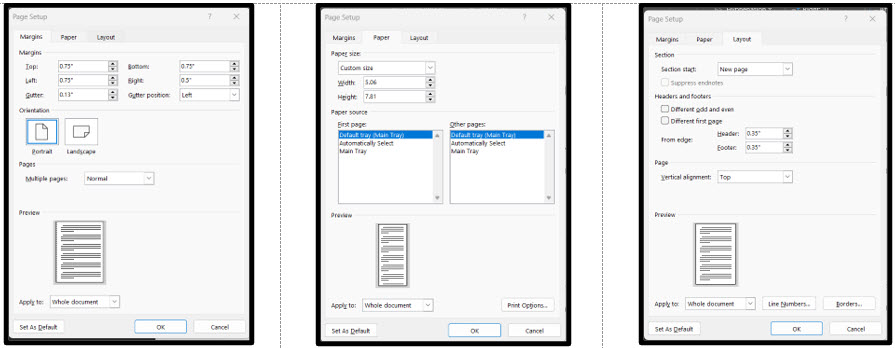

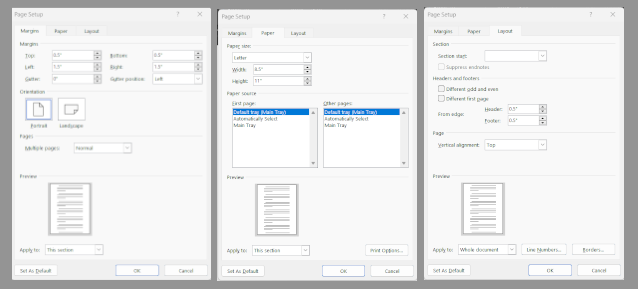

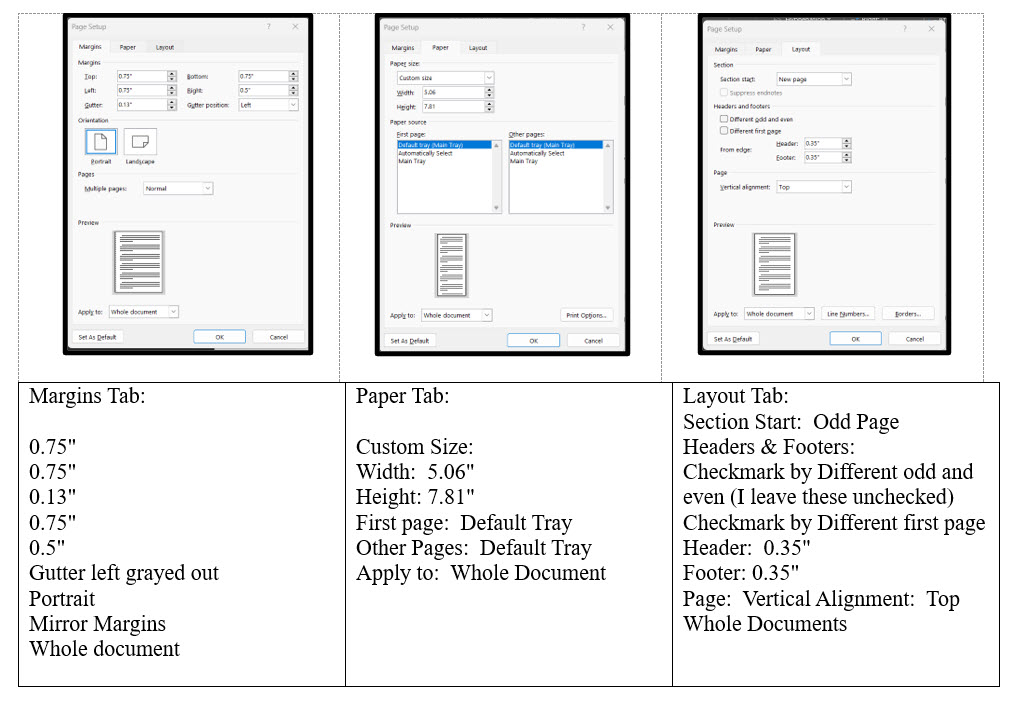
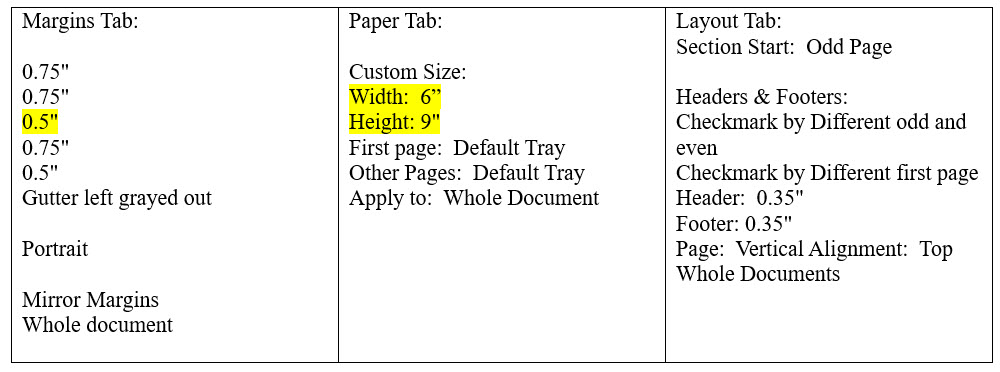
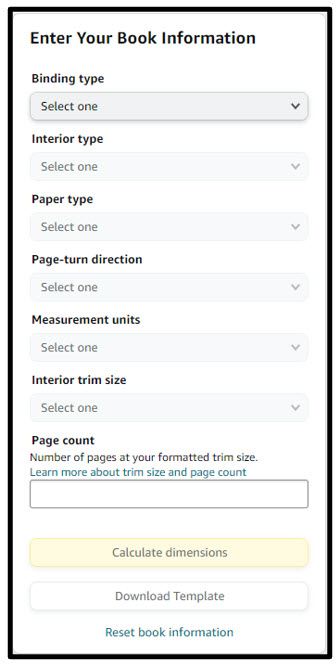
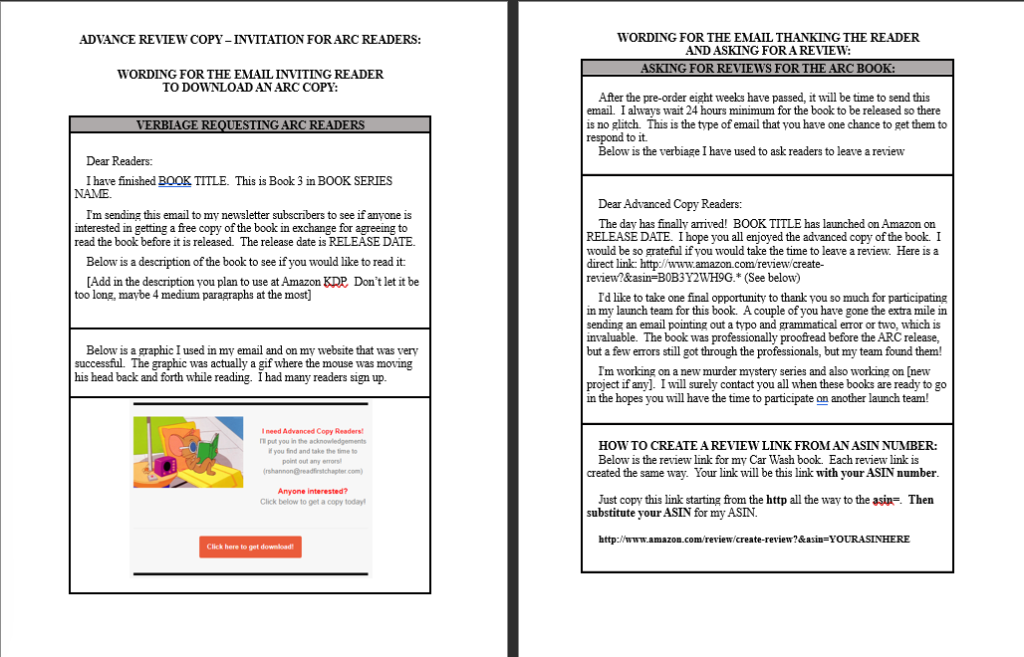
 This is a shortcut for self-published authors and writers who are creating their own book covers. This will save you at least two hours in design time and even more if you are a beginner.
 You need to get the proper hardcover template from KDP. There is a Paperback and Hardback calculator
 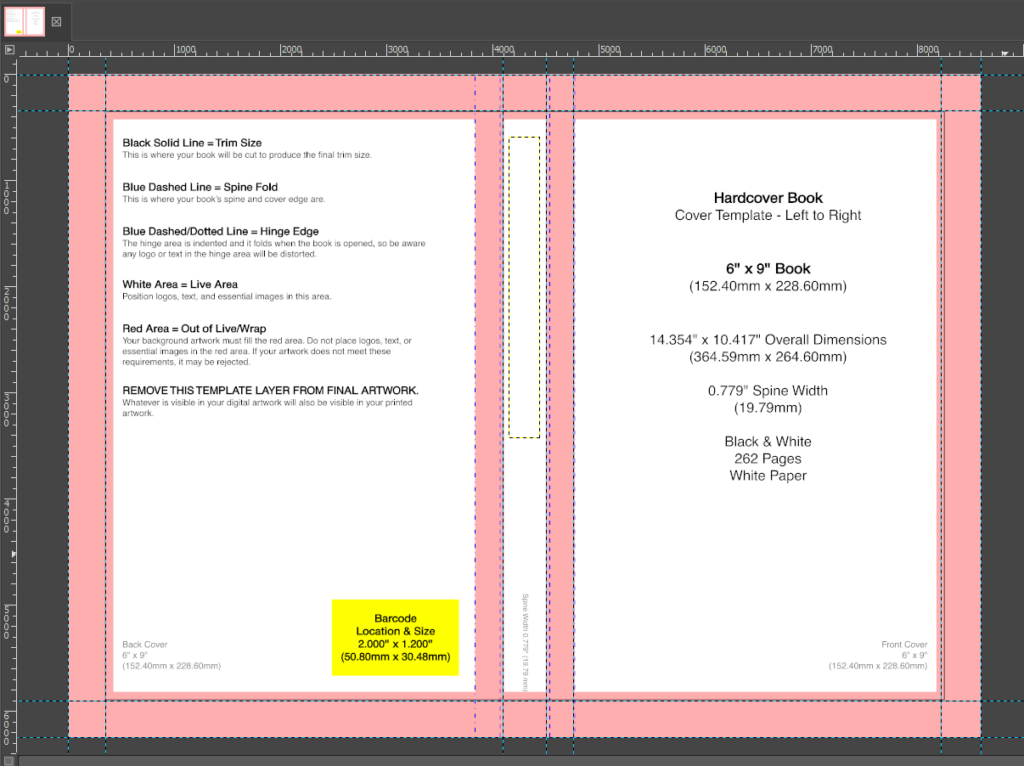 Open the hardback cover pgn document in Gimp. Everything in pink is margin. The spine text must fit into the white area in the center between the front and back.

 Once my background was in place. The only thing left was adding a new spine that fit exactly into place.
 St. Clare of Assissi:
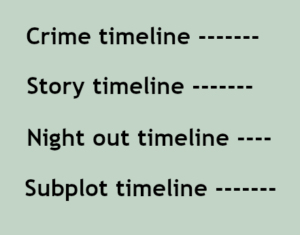 Although I follow a detailed outline of the story before I even start writing, each novel presents its own issues and/or problems. In this novel, I had several timelines I had to keep straight.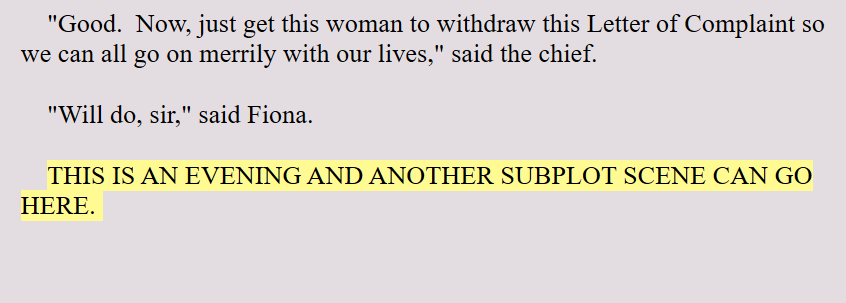


 The second thing I do in Layer 5 is to fill out the Synopsis section. This section is in the upper right-hand side of the Scrivener platform.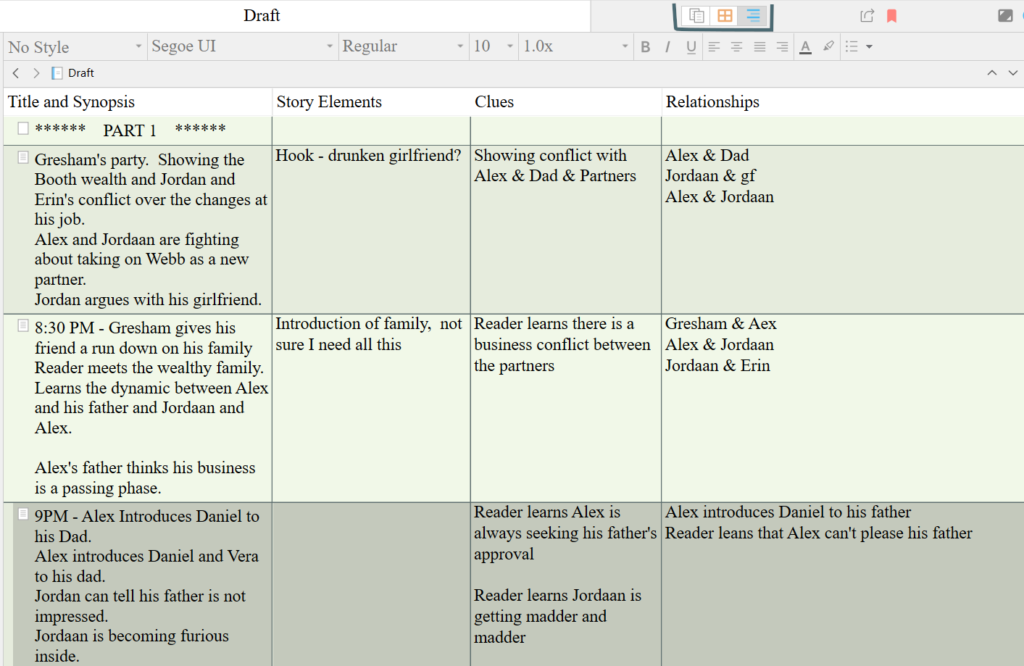
 Now, because I had to kind of abandon the full subplot in Layer 4, I will be finishing the subplot while I'm doing the descriptions and the synopsis box. Once I'm done with this layer, then I'll be back to discuss what happens in Layer 6!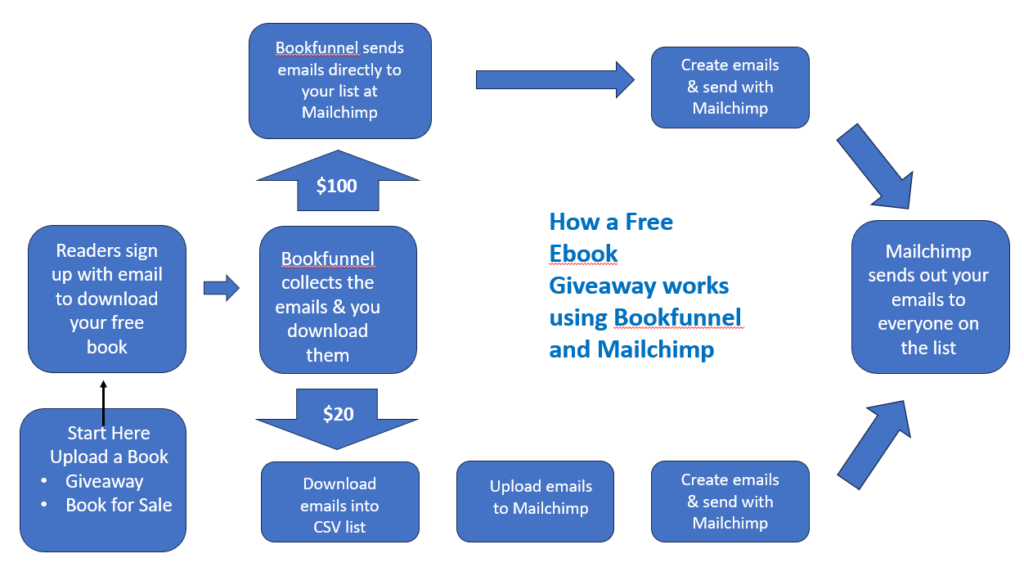
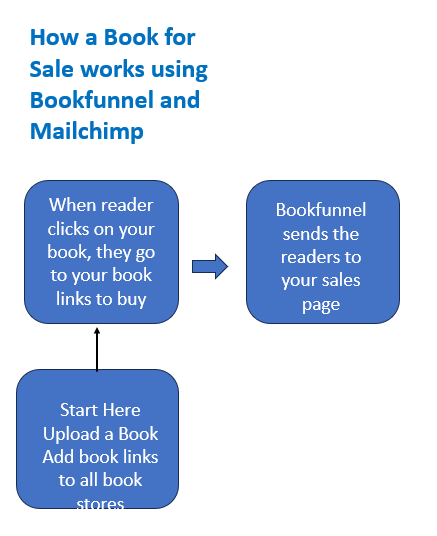

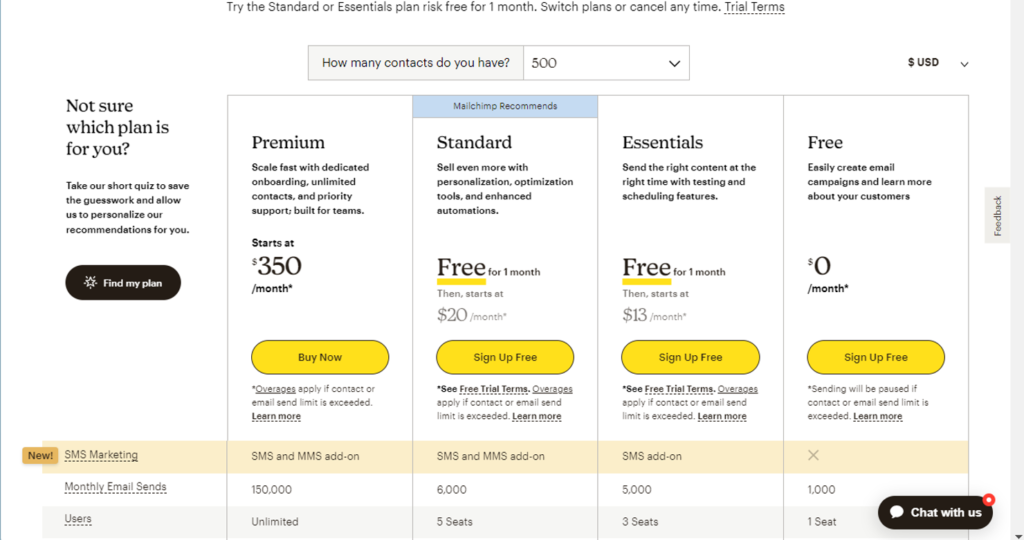


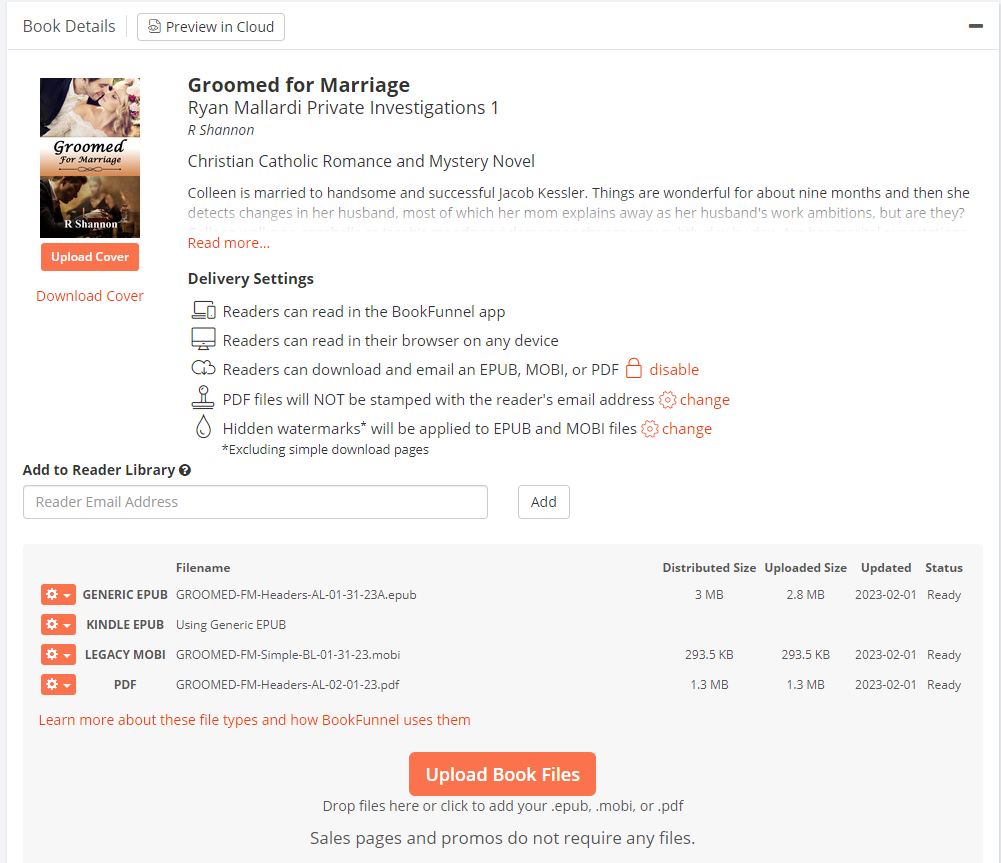
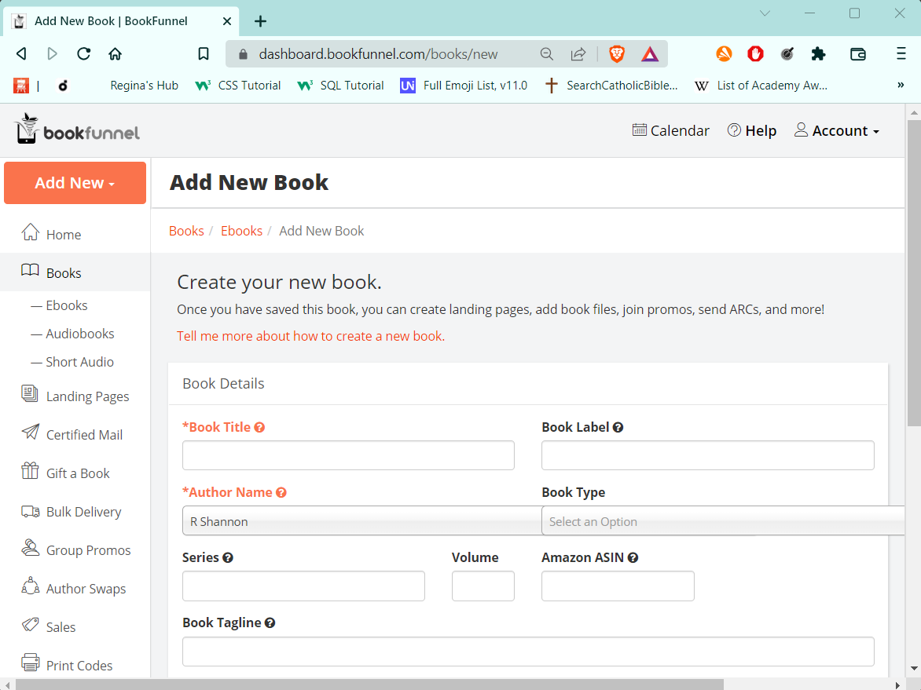
 Go to bookfunnel.com and sign up for an account. Here is a screen shot from the first page. I've fiddled with it to show the actual address and the logo, but it will look similar to this picture here.
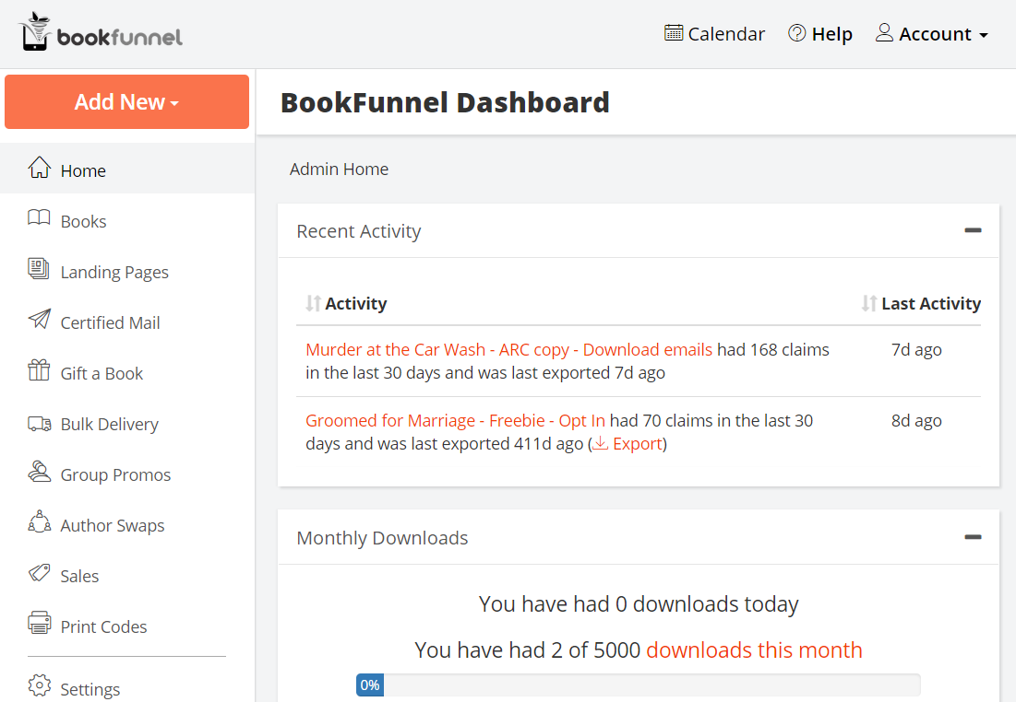
 The Books Tab keeps track of the eBooks you have uploaded and how many downloads there have been. There are drop-down links (in the orange boxes) to edit your books information and also to reupload copies.