CELL TOWER INFOMATION DISCLAIMER:
However, it is important to note that CSLI data is not always accurate. The accuracy of the data can be affected by a number of factors, including the strength of the signal, the distance between the phone and the tower, and the terrain.
Overall, CSLI data is a valuable tool that can be used to track the location of cell phones. However, it is important to understand the limitations of the data before using it to make decisions.
WHAT IS THEIR AREA OF COVERAGE?
 The coverage radius of a cell tower depends on a number of factors, including the technology used, the height of the tower, and the terrain.
In general, a cell tower can cover a radius of 1 to 3 miles for 4G LTE and 5G cell towers. However, in some cases, the coverage radius can be as much as 10 miles.
For example, a cell tower using 5G technology with a directional antenna can have a coverage radius of up to 10 miles. However, a cell tower using 4G LTE technology with an omnidirectional antenna may only have a coverage radius of 1 to 2 miles.
The terrain can also affect the coverage radius of a cell tower. Mountains and hills can block the signal, so cell towers need to be placed in areas with clear line of sight.
In general, cell towers need to be built every 5 to 10 miles to provide adequate coverage. However, the specific spacing of cell towers will vary depending on the factors discussed above.
Here are some other factors that can affect the overall radius of a cell tower:
- The number of antennas on the tower: More antennas can provide better coverage.
- The power of the transmitter: A stronger transmitter can provide better coverage.
- The frequency of the signal: Lower frequencies can provide better coverage over longer distances.
- The weather: Heavy rain or snow can block the signal.
HOW TO DETERMINE WHICH CELL TOWER IS USED?
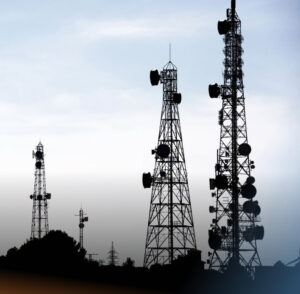 This information is about how a cellphone customer can find out about their own cellphone towers. This wouldn't be used by the police necessarily but it is information I came across during my own research.
There are several methods you can use to determine which cell tower your phone is connected to. There are apps in the Play Store for this purpose. As an author, you won't need to track anything and probably don't need any apps, but it's good to know that this exists when plotting. These apps provide information about nearby cell towers, including the one your phone is connected to. · Check your phone's settings: Some smartphones display information about the connected cell tower in the settings menu. Look for "Network" or "About Phone" options to find this information.

 We compiled the novel into a Word document and named it "Manuscript from Scrivener". That's where we now pick up with Layer 7.
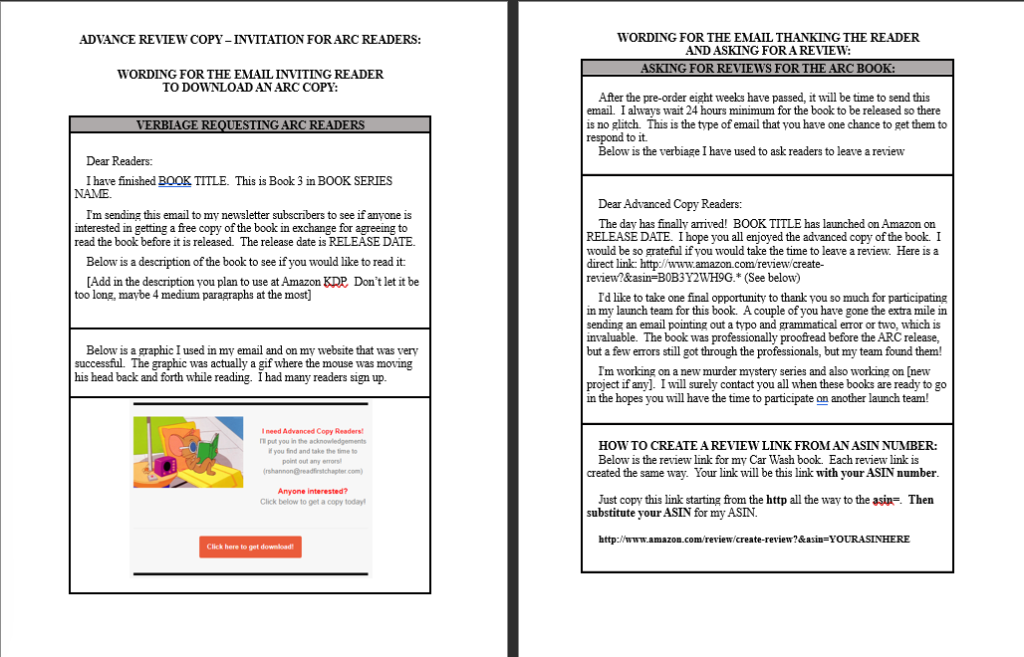
 It all begins when you get the book back from the editor. Make all the changes in the eBook within two to three days after receiving it from the editor.
 After the edits are done, its now time to list it as a pre-order on Amazon and/or as an ARC copy.
 Don’t get impatient and offer the eBook before the last edit. I was told to do this and make "use" of the time the editor had the book. However, I paid the price for this, and it's a tall price, one that follows me forever.
 Recruiting ARC readers can also be a marketing strategy because who doesn’t like freebies & giveaways? Giveaways and Freebies have a way of capturing everyone’s attention. With a great eye-catching graphic, this can create interest and general buzz about your upcoming book.
 It all sounds good. How do I do it?
 My website and millions of other websites are built on WordPress. WordPress is a platform and many coders release what are called plug-ins. They give different functionalities to the website.
 Yes, a tax lien on a company is a public record. This means that anyone can search for and view the lien, including potential creditors, investors, and the general public. The lien will typically be filed with the county recorder's office in the county where the company is located.
 The purpose of a tax lien is to give the government a legal claim on the company's assets if the company fails to pay its taxes. The lien will remain in effect until the taxes are paid in full.
 If you are interested in finding out if a company has a tax lien, you can search the public records for the county where the company is located. You can also contact the Internal Revenue Service (IRS) to see if they have a lien on the company.
 Here are some of the reasons why someone (or a detective) might want to know if a company has a tax lien:
 Sometimes just having an overview of how things work can help you thicken the plot or add some details that will enrich the story. Below are some words and definitions that surround the subject of Tax Liens:
 I am in the process of writing the fourth book in the
  Husbands and wives who cheat also use burner phones that they hide from their spouses. They don't have to worry about getting caught texting to their lovers.
 Drug traffickers also use burner phones. They use them so they can't be traced by the cops. BUT, as you will read below, they are not foolproof. As a matter of fact, they are kind of easy to trace. If you watched the show, Better Call Saul, his system of selling the phones would work for the drug lords. It worked because Sol bought the phones in bulk in his name. He sold them to individuals for cash. So nothing would ever trace the phones to the people who bought them.
 I'm writing Book 4 in the Jack Nolan Detective Series and there is the possibility of a financial crime. I did some research on how detectives can get financial records. I mean, do cops just call and ask nicely? No, there has to be a warrant.
 Yes, homicide detectives need to formally go before a judge to get a warrant to see financial records. They cannot ask a district attorney to get it informally. This is because financial records are protected by the Fourth Amendment of the U.S. Constitution, which protects against unreasonable searches and seizures. In order to get a warrant, the detectives must show the judge that they have probable cause to believe that the financial records contain evidence of a crime. They must also specify the records they are seeking and the financial institution where they are located.
 The common procedure for obtaining a warrant for financial records is as follows:
 The detectives can also ask the district attorney to help them obtain a warrant for financial records. The district attorney will review the affidavit from a legal perspective and decide whether to file it with the court. If the district attorney does file the affidavit, the judge will still need to review it and decide whether to issue a warrant.
 If the judge finds that there is probable cause, they will issue a warrant. The warrant will specify the records that the detectives are seeking and the financial institution where they are located. The warrant will also be valid for a certain period of time, and for a specific type or range of records. After the expiration date, the warrant is void.
 The warrant is served by a law enforcement officer, such as a police officer or a sheriff's deputy. The officer will present the warrant to the financial institution and demand that the records be produced. The financial institution is required to comply with the warrant, and they cannot refuse to produce the records.
 process server.
 In my last police procedural fiction book, I did some research on cell phones and the terminology used by police officers. I thought I would share it with other writers to save you the research time.
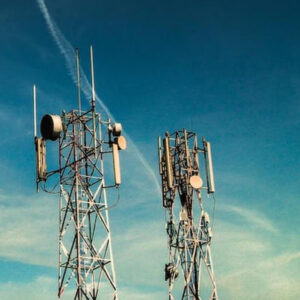 Cell towers, also known as cell phone towers or cellular towers, are tall structures that transmit and receive radio signals. These towers facilitate wireless communication between mobile devices and the network. Mobile phones connect to the nearest cell tower to send and receive voice, text messages, and data.
 When cops are researching where cell phones are pinging from, they typically use a process called cell site location information (CSLI). CSLI is data that records the location of a cell phone by tracking its connection to cell towers.
 Each cell tower has a unique identifier, which is called the International Mobile Station Equipment Identity (IMEI). The IMEI is a 15-digit number that is assigned to every cell phone when it is manufactured.


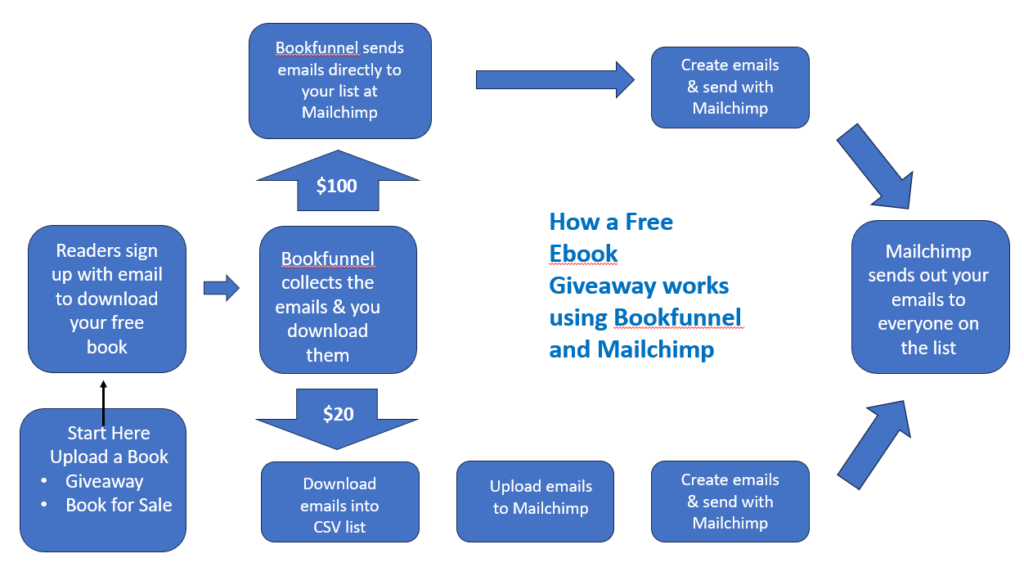
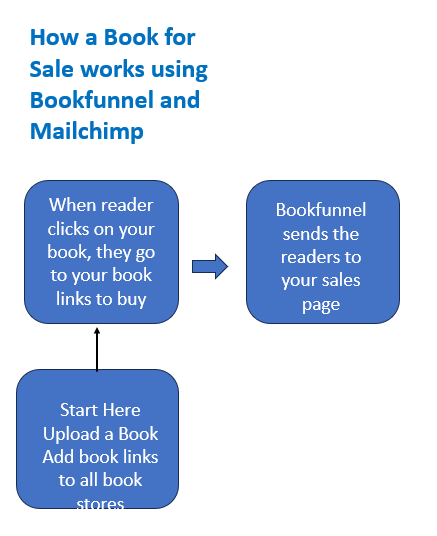

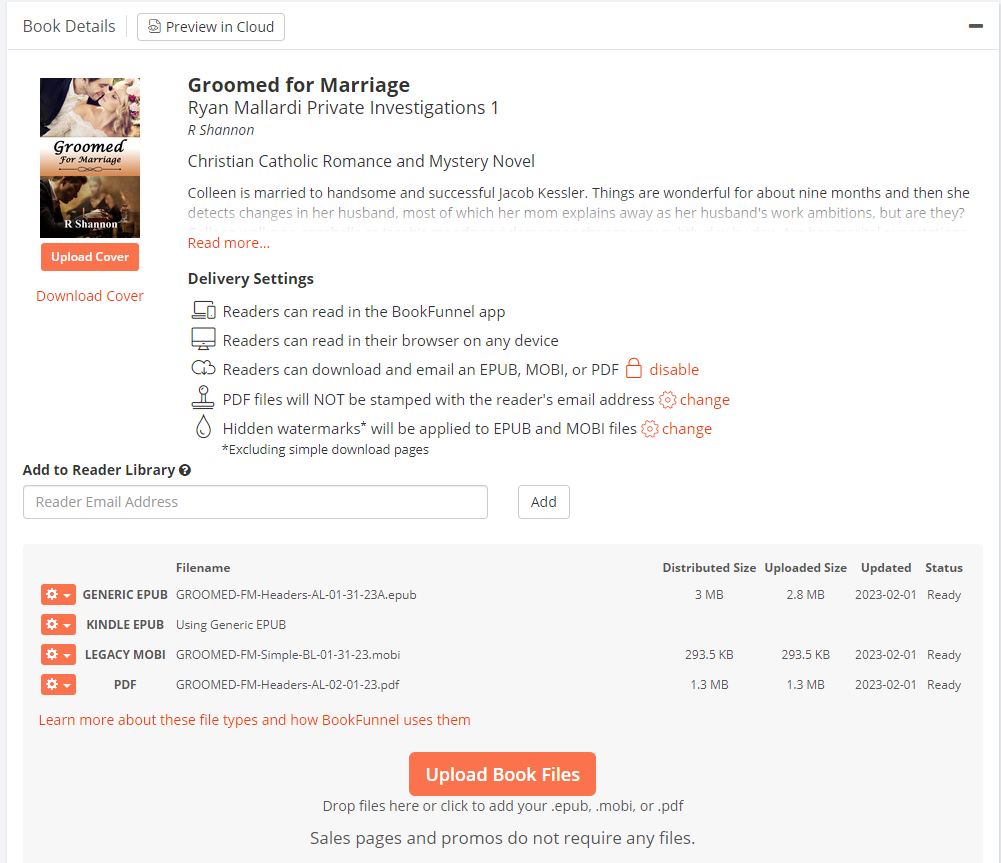
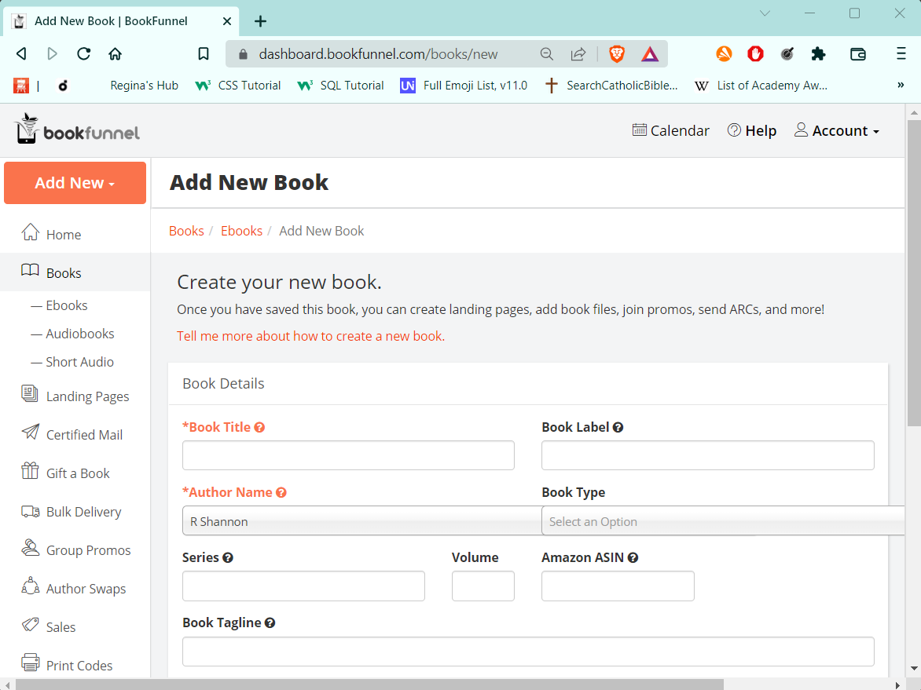
 Go to bookfunnel.com and sign up for an account. Here is a screen shot from the first page. I've fiddled with it to show the actual address and the logo, but it will look similar to this picture here.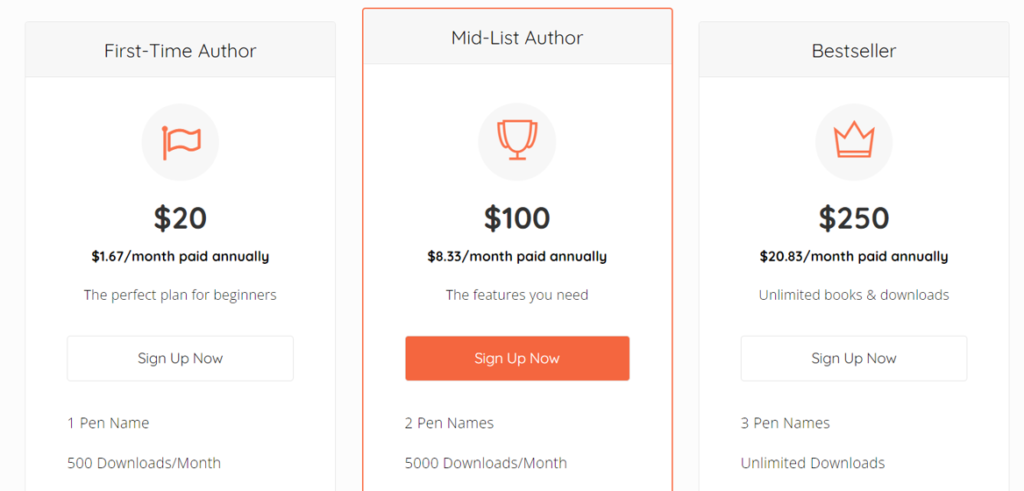
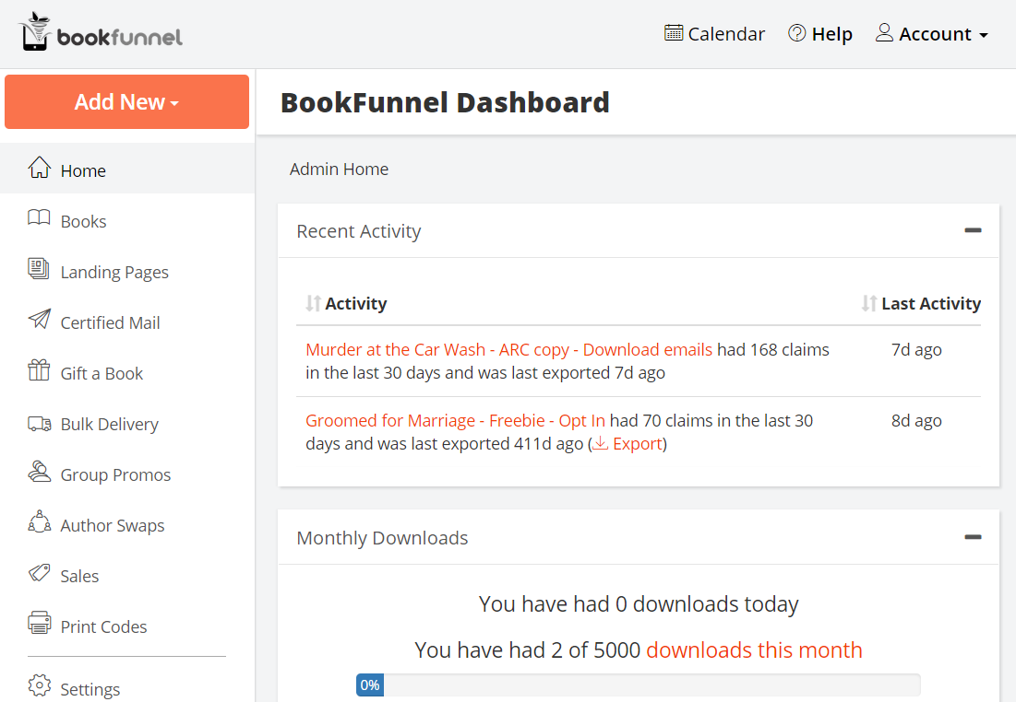
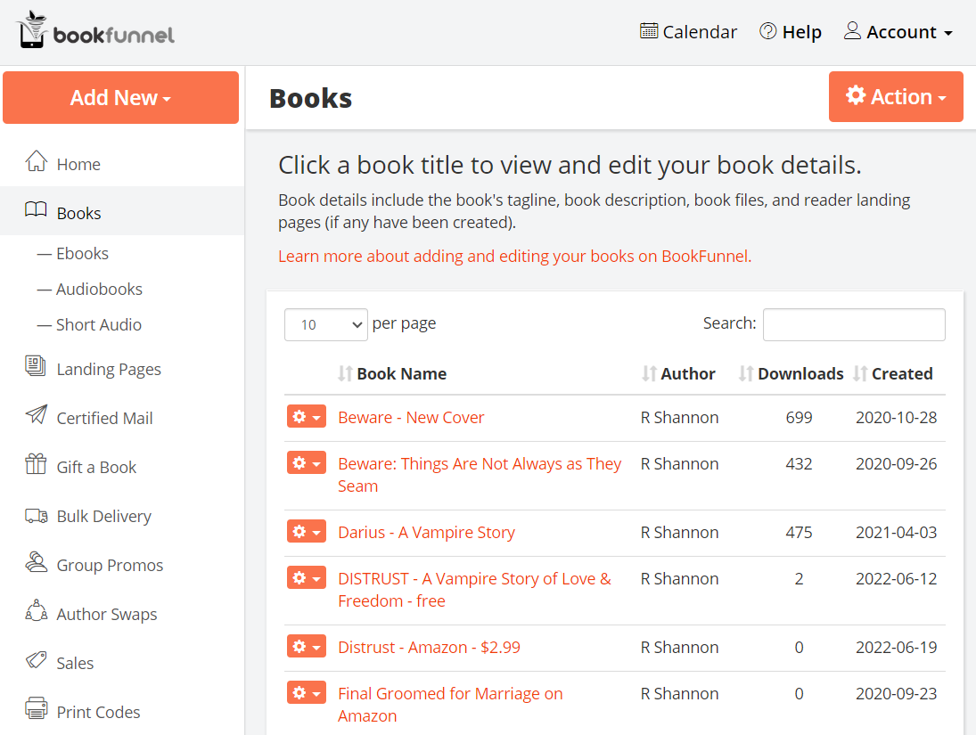 The Books Tab keeps track of the eBooks you have uploaded and how many downloads there have been. There are drop-down links (in the orange boxes) to edit your books information and also to reupload copies.