 This is the second step in writing a new fiction novel. In the first step, I start out with writing four potential storylines in FreeMind, which is a mind mapping software. You can see that video here.
Once I finish four potential plotlines, one of them usually pops out and wants to be written. I feel myself getting excited to write it. This process, although it's hard to think of four different storylines, gives me confidence right from the beginning that I am writing the best book for me right now. This whole process fills me with excitement to write.
OPEN SCRIVENER AND BEGIN:
I take my new plotline and open scrivener. I open one document and plan the crime itself. I'm presently writing a police procedural at this time, but even if you are writing a generic mystery, this technique will work. Most great fiction has some level of mystery or suspense in it, so it would even work for generic fiction.
I make a chronological list of the crime as it happens. When it happens, who it happens to, who the first witnesses will be, if any. I also isolate in my mind an actual scene of the crime. I put in all the evidence the cops or detectives will find at the scene. This will begin the investigation. In a mystery or crime novel, this is the inciting incident.
I also add to the list other suspects and what their motivation will be for the crime or mystery. As you begin to add different suspects into the mix, you will most likely have to change your original plotline idea to accommodate these new suspects.
I go through this whole process adding, subtracting and changing up the suspects and plotline in this abbreviated format. It should look like directions from Google maps or a long list of very short paragraphs.
A SECTION CALLED THE ENDING:
I have a section at the end called "How it will end". My books never end the way I indicate in this section. However, by having a solid idea of how I want it to end at this time, it gives me a direction and a destination. Then during the creative process, when I get new and better ideas, I simple go down my list and/or scene outlines (we'll cover these in another installment) and change up the outline. It's easy-peasy.
I do this for the entire storyline. At the end, you will have a good idea what the story is about, but there won't be any nuance, or personality in the story yet, so if it seems dry, don't worry about it. It is very dry at this point. You are knitting together a skeleton and bones are dry. You will breathe live into this as you get to the point of actual writing.
THE BENEFITS OF WRITING THIS OUTLINE:
 Most new writers want to start writing scenes and dialogue. They want to just get on with it. But the dark side of working this way is that when you find out your clues won't work when you need to add a new suspect, you will have written two chapters already. My process will save you from writing for the trashcan.
By going through this short one-liner outline in chronological order, anything in the story that won't work, it comes out in this layer of writing. This saves you from throwing away already written work.
There is a video I made for YouTube below. I go over some of these points but others tips and tricks as well. For your convenience, I have time stamps below in case you want to just jump to the section you want to look at:
01:27 - Open Scrivener and open one document
01:45 - Other suspects, their motivation, red herring, etc.
02:15 - How it will End section
03:20 - Determining the framework of the script which will prevent writing for the trash can.
05:30 - Review of the layer elements
05:43 - Sneak peek into the next videos
Writing a Novel in Layers:
First - A Little About the Chronology of a Crime
Writing a Novel - Layer 1
Writing a Novel - Layer 2
Writing a Novel - Layer 3
Writing a Novel - Layer 4
Writing a Novel - Layer 5
Writing a Novel - Layer 6
Writing a Novel - Layer 7
Writing a Novel - Layer 8

Writing a Novel in Layers

Have a peek behind a real novel.
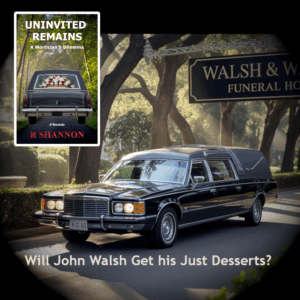
John Walsh is a successful funeral director with a loving family but he has a weakness for other women. The modern world thinks cheating is a victimless crime, but is it?
Movie Reviews
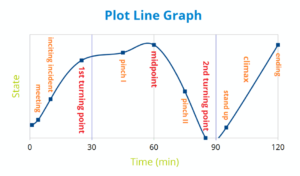 Each new book requires a new plotline. I used to come up with a plotline and go with it. But I noticed I had a lot of insecurities as to whether it was good enough or whether I was choosing a plotline too soon.
 So I could tell the four plotlines was a working strategy going forward. The first time I did this, I opened a new Notepad document, plotted a crime and a potential storyline. When I finished, I named it the first potential plotline and filed it. Rinse and repeat. Sounds pretty straight forward, right?
 Then in response to getting scattered, I just wrote all four plotlines in one document, but then I was overwhelmed by how long the document was and it wasn't easy to see which plotline I was in. The Notepad has a tendency to return to the top when you flip out of it to check a spelling or anything. Ugh, I again went upside down.
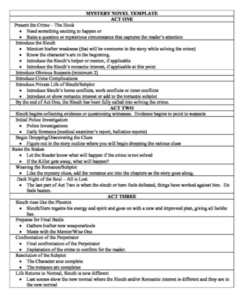 I spent a lot of time in researching novel templates and wound up getting more confused than organized. I may have a mental block on this, or if you are a beginner, you may find the same difficulties in getting your plot or story line to fit exactly over a template outline.
 When I began to hear terms like “panters and/or plotter” I didn’t even know what they were talking about. A pantser, if you don’t know if someone who just sits down and begins to write “by the seat of their pants” without any organization and without any plot line. They approach the writing from a completely creative process. I imagine that “natural writers” would take this approach. Maybe people who like chaos would take this route. But I would wind up staring at a blank page all day if I didn’t have at least an outline.
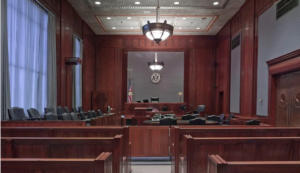 It is best as a beginner to choose a location and setting that you are familiar with. It will cut down on the research you need to do, as you will need to do at least some forensic and police procedure research. For example: I used to be a court reporter for 11 years and I have experience working on criminal cases, how prisoners are moved around the courthouse, how sheriff’s officers and prison guards are different from cops, what goes on in a Judge’s chambers on breaks and after the jury goes home. So this is a good setting for me to write about.
 One of the biggest mistakes I made in the beginning was focusing too much on the main character. With a mystery, you need to have a unique crime that hasn’t been done before. Because there are millions of mystery books, your specific crime may have been done, but you want to make sure you don’t pick on that has been “done to death”.