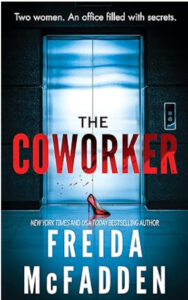
 Name: The CoWorker
Author: Freida McFadden
Description from Amazon: "Don't start a Freida McFadden book late at night. You won't be able to put it down!"― Natalie Barelli, bestselling author of Unforgivable.
Two women. An office filled with secrets. One terrible crime that can't be taken back.
Dawn Schiff is strange. At least, everyone thinks so at Vixed, the nutritional supplement company where Dawn works as an accountant. She never says the right thing. She has no friends. And she is always at her desk at precisely 8:45 a.m.
So when Dawn doesn't show up to the office one morning, her coworker Natalie Farrell―beautiful, popular, top sales rep five years running―is surprised. Then she receives an unsettling, anonymous phone call that changes everything...
It turns out Dawn wasn't just an awkward outsider―she was being targeted by someone close. And now Natalie is irrevocably tied to Dawn as she finds herself caught in a twisted game of cat and mouse that leaves her wondering: who's the real victim?
But one thing is incredibly clear: somebody hated Dawn Schiff.
Enough to kill.
The Coworker is a tense, unputdownable thriller from New York Times bestselling author Freida McFadden that explores the dark ways the past can echo through the present―with deadly consequences.

REVIEW AS A READER: This book was very enjoyable. The suspense and mystery started from the beginning and kept up the entire way through. There was a twist or two throughout the story, enough to keep me guessing the entire way through.
The writing was great. The pacing was consistent and the story moved the entire way through. With over 39,000 reviews, and a 4.1 rating, the book deserves every 5-star review it received.

REVIEW AS AN AUTHOR: Before I read this book, I looked through the reviews as I'm always curious what the 1-star people have to say. The only 1-star I remember is someone who got annoyed that the turtles were mentioned too much. That rater missed the whole point. I didn't feel that way at all. I loved the character with the turtles and the mentioning of the turtles was crucial regarding the autism of the character. The author did a great job in capturing and showing this autism, which is not easy.
The narrative and descriptions were very good. I never lost track of who was talking, which means there were plenty of dialogue tags where needed. As a fellow author, I was watching for foreshadowing and it was very, very subtle in this book. I always feel like the foreshadowing needs to be a big flapping red flag, but I learned reading this book that subtle foreshadowing is okay. It works.
There was a twist in the end that I was not expecting. I had a feeling that one of my favorite characters wasn't going to have a good ending, but I was pleasantly surprised.
The best lesson and take away as an author was the psychological aspect of the suspense as well as how well the autism was handled in a narrative as well as the dialogue. There was a lot to learn from the book pacing as well. I would highly recommend this book for anyone who likes a psychological mystery suspense.







 When I self-published my first novel, I finished it and uploaded it and waited. That's when I learned how important marketing the book is. I also learned through the next several books how important it is to take advantage of each tiny phase of a book launch for marketing. That's what this blog post is about.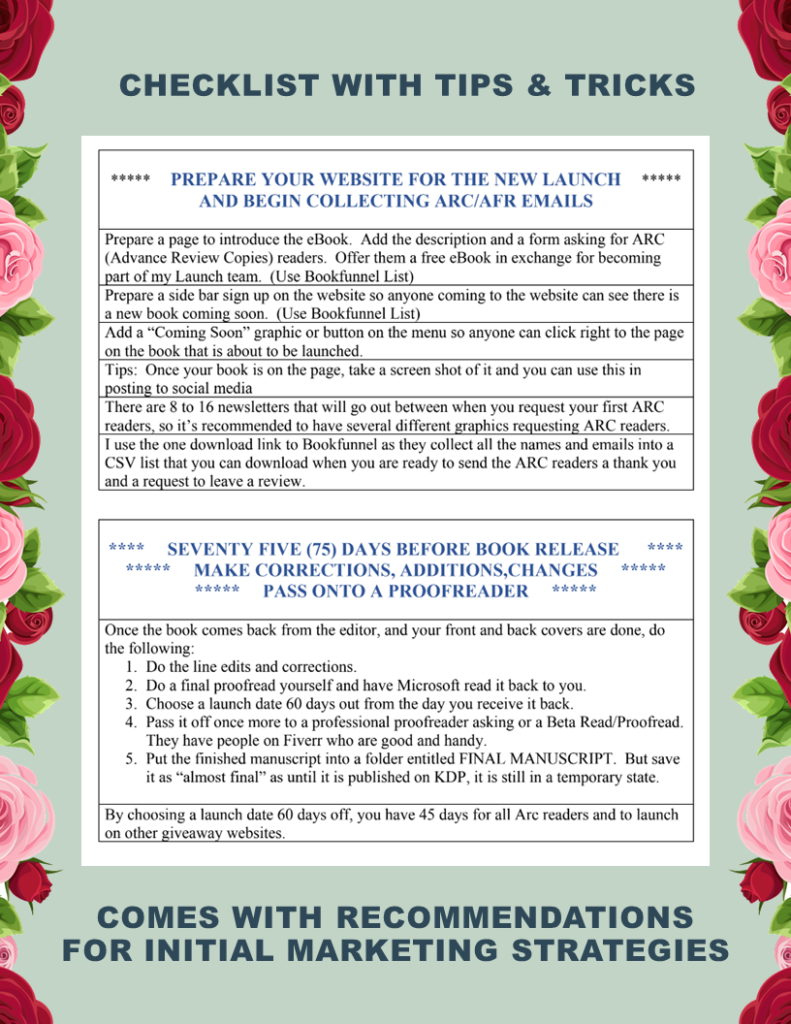
 In Layer 8, I do a read-back. In Microsoft Word, I use the Read-Aloud feature that is contained on the Review Tab. By listening to the book read aloud by someone else, it doesn't skip over mistakes like I do as the author. By the time I'm finished with Layer 7, I've read and reread this book too many times to trust my eyes to spot every error.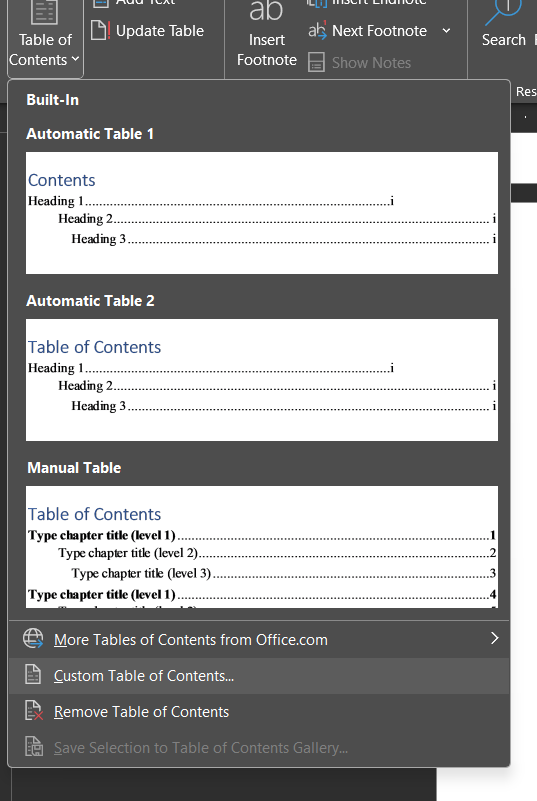

 We compiled the novel into a Word document and named it "Manuscript from Scrivener". That's where we now pick up with Layer 7.
 Layer 6 is the first true proofreading. In Layer 5, I proofread to make sure the story flowed without interruption from scene to scene. My focus was on making sure the story flowed from scene to scene, without any big unexplained time gaps, or location mistakes, etc.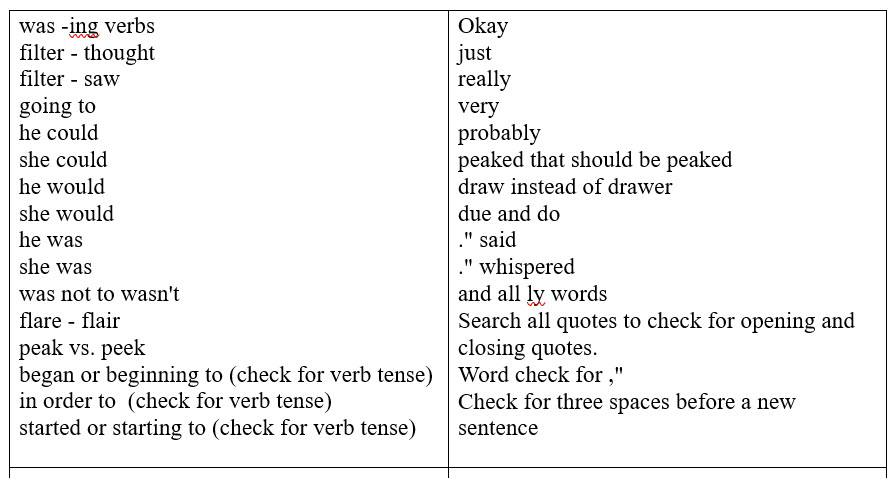
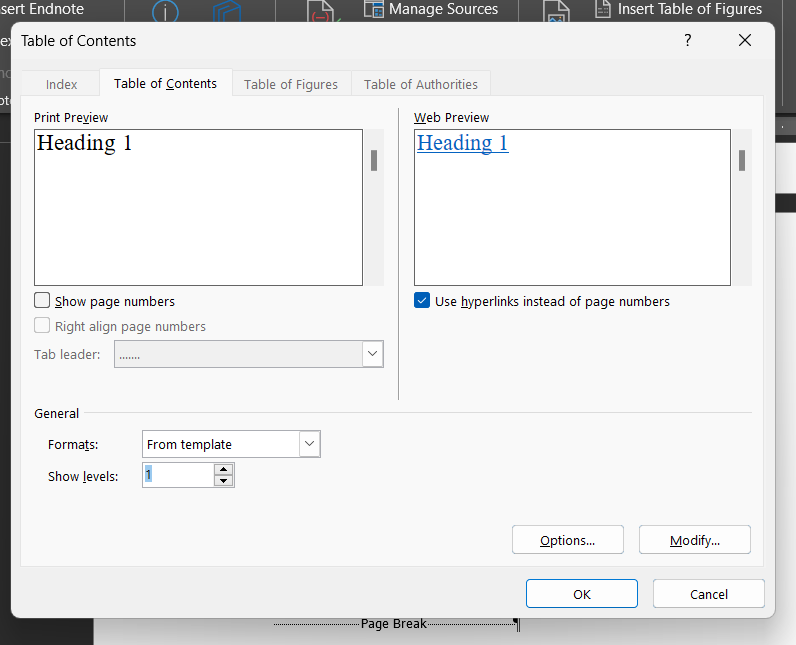
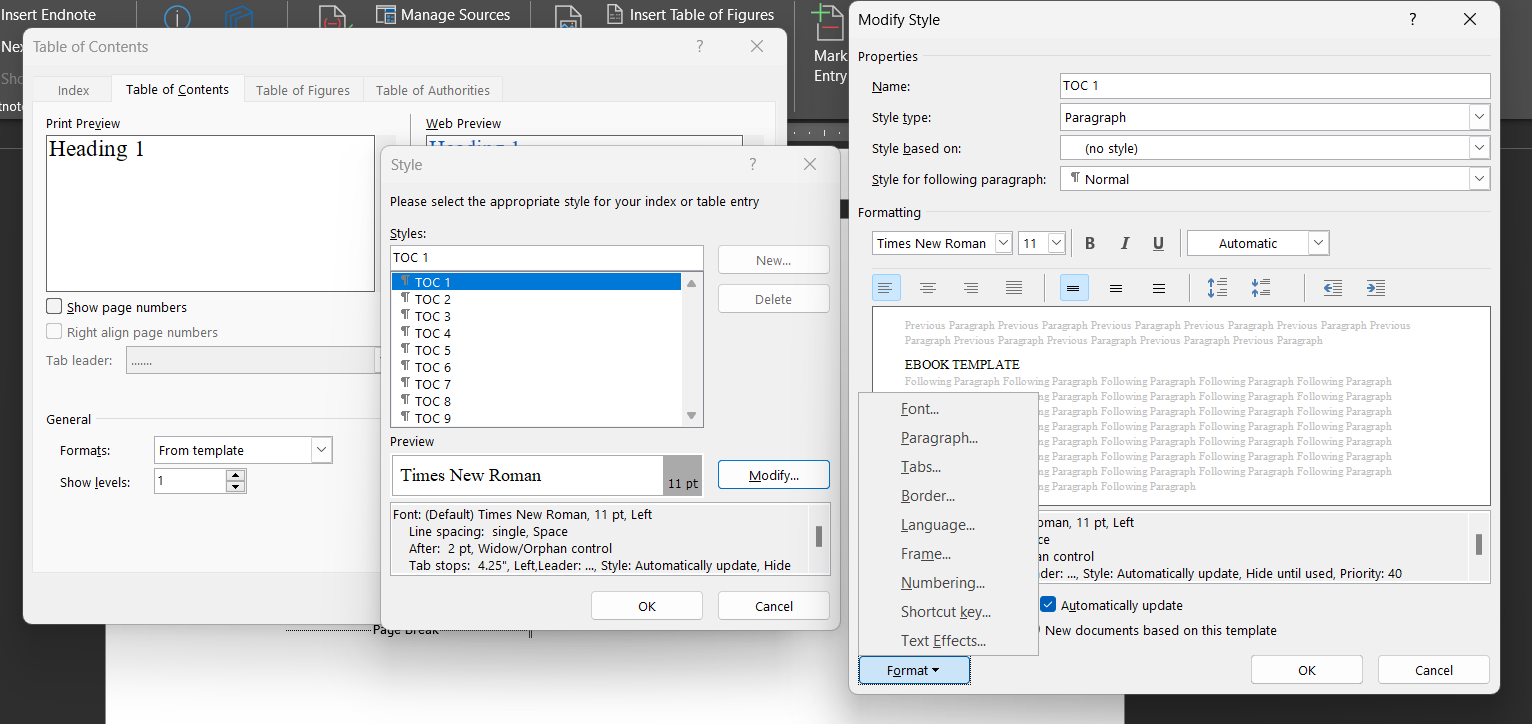
 Once you are finished with Layer 6, Click on File => Compile
 It all begins when you get the book back from the editor. Make all the changes in the eBook within two to three days after receiving it from the editor.
 After the edits are done, its now time to list it as a pre-order on Amazon and/or as an ARC copy.
 Don’t get impatient and offer the eBook before the last edit. I was told to do this and make "use" of the time the editor had the book. However, I paid the price for this, and it's a tall price, one that follows me forever.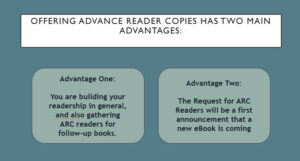
 Recruiting ARC readers can also be a marketing strategy because who doesn’t like freebies & giveaways? Giveaways and Freebies have a way of capturing everyone’s attention. With a great eye-catching graphic, this can create interest and general buzz about your upcoming book.
 It all sounds good. How do I do it?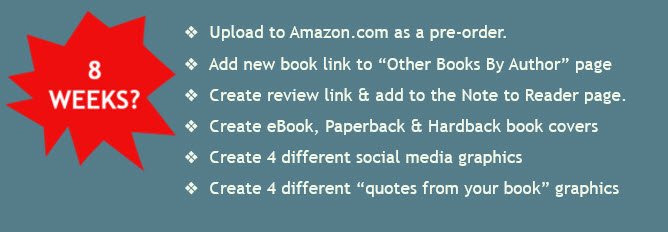
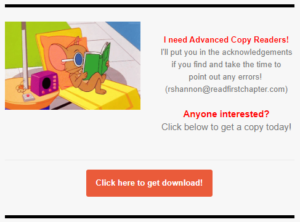
 My website and millions of other websites are built on WordPress. WordPress is a platform and many coders release what are called plug-ins. They give different functionalities to the website.
 Yes, a tax lien on a company is a public record. This means that anyone can search for and view the lien, including potential creditors, investors, and the general public. The lien will typically be filed with the county recorder's office in the county where the company is located.
 The purpose of a tax lien is to give the government a legal claim on the company's assets if the company fails to pay its taxes. The lien will remain in effect until the taxes are paid in full.
 If you are interested in finding out if a company has a tax lien, you can search the public records for the county where the company is located. You can also contact the Internal Revenue Service (IRS) to see if they have a lien on the company.
 Here are some of the reasons why someone (or a detective) might want to know if a company has a tax lien:
 Sometimes just having an overview of how things work can help you thicken the plot or add some details that will enrich the story. Below are some words and definitions that surround the subject of Tax Liens:
 A gun silencer, also known as a suppressor, is a muzzle device that reduces the sound of a gunshot. It does this by slowing down and cooling the expanding gases that are released from the barrel when the gun is fired. Silencers do not completely silence a gunshot, but they can reduce the sound level by 20 to 30 decibels. This can make a significant difference in the loudness of the gunshot, making it much less noticeable to people nearby.
 A ballistic report is a record of the characteristics of a bullet, such as its caliber, weight, and velocity. Ballistic reports are used by law enforcement to identify the type of gun that was used in a crime. They can also be used to determine the range from which a shot was fired.
 Here are some of the terms that are commonly used in the field of gun silencers and ballistics:
 A silencer can leave markings on a bullet. These markings are called "tool marks" and they are caused by the rough interior surface of the silencer rubbing against the bullet as it passes through. The tool marks can be microscopic or macroscopic, depending on the type of silencer and the type of bullet.
 Ballistics experts can use these tool marks to identify the silencer that was used in a shooting. They can also use the tool marks to determine the distance from which the shot was fired.