Movie Review for Writers:
This movie, The Little Foxes, was in black and white, and although some black and white films are poor quality, this movie, at least on Amazon Prime had particular clarity. The house furnishings and fashions were wonderful and Bette Davis was at her most beautiful and her best acting 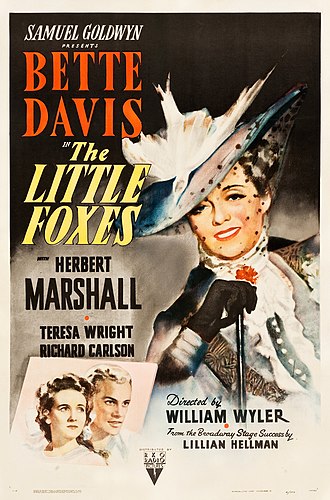
QUICK SYNOPSIS:
Regina Hubbard Giddens, a proverbial gold digger in the early 20th century, marries and uses her husband in her various schemes of greed.
She is separated from her husband, who is ill and away somewhere getting treatment.
She is horrible to her daughter as the daughter is nothing but an anchor in her wedding-for-fortune.
Her brother Oscar did the same thing, married a woman with family money,
and treats her worse than the family dog.
Another brother is unmarried and he seems to have money of his own and they want to get in on a cotton mill deal with another outside party, but Regina wants in and promises her husband will come through with his side of the money.
The plot thickens when her husband decides not to go in on the deal, and Regina and her brothers show their true ruthless scheming selves.
The plan backfires but Regina takes it even further . . . don't want to spoil the end.
ELEMENTS OF INTEREST TO WRITERS:
- The movie opens showing the beautiful oak trees and Spanish moss as the Regina Hubbard Gibbons is a southern Aristocrat. They present great scenery for a writer wanting to describe the southern area of the country.
- The house and fashions are very much southern, aristocratic, and gorgeous. Again, there are lots of "sets" that the writer can use as a backdrop for any scene in a southern or gothic story.
- Watching Bette David act during the scene where she refuses to help her husband when he is trying to climb the stairs is diabolical and this too could be helpful in showing how mean and cruel the human heart can be.
- The daughter of the main character, Regina, comes of age as a subplot and the innocent dating scenes are very sweet and give insight into the difference in mores in the early 20th century.
- There was enough life going on in this film to also give anyone doing a historical fiction novel some ideas of the dating habits, and how the aristocrats interacted with their servants/slaves in those days.

Don't read any further if you don't want to spoil the ending.
This movie ends with the husband figuring out how the brothers and his wife schemed and stole his money, but as a writer, I saw a distinct possibility for a "sequel" of this story as the second story could have picked up with verbiage he put in the will stating that the money he left to his wife had to be used as only a loan to his brothers, etc.
There was enough going on with the daughter and the brother and his wife to fill at least one full sequel book.
WRITERS TOOLS OF INTEREST:
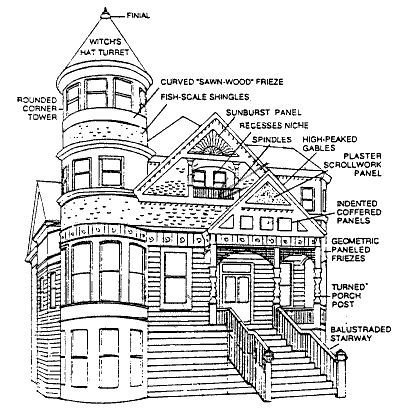
This is the second movie I saw that took place in a beautiful Victorian house setting. When describing these houses in writing, it would be helpful to know the various names for the parts of the houses. Here is a Victorian house I found on the internet and the various names for each part of the house.
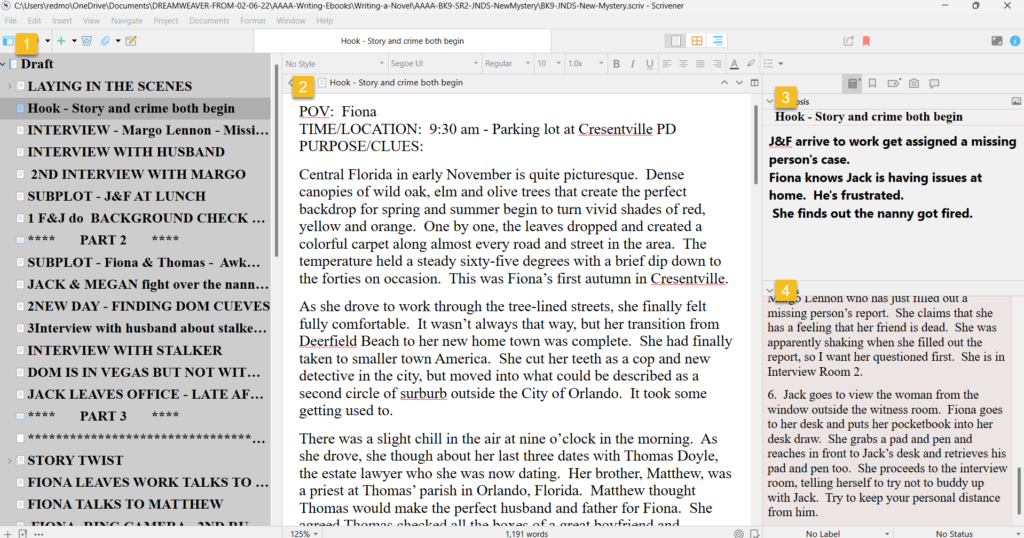
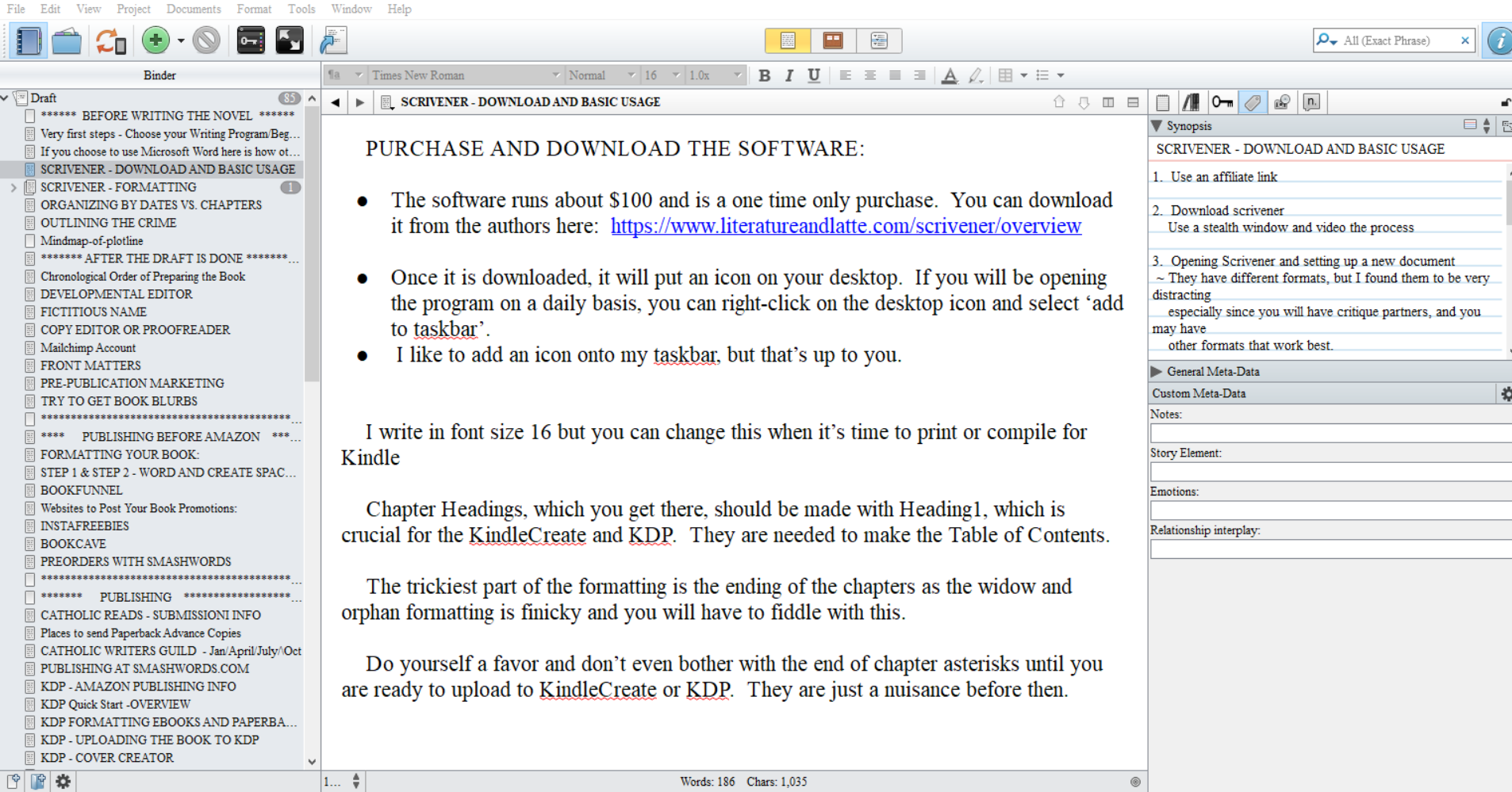
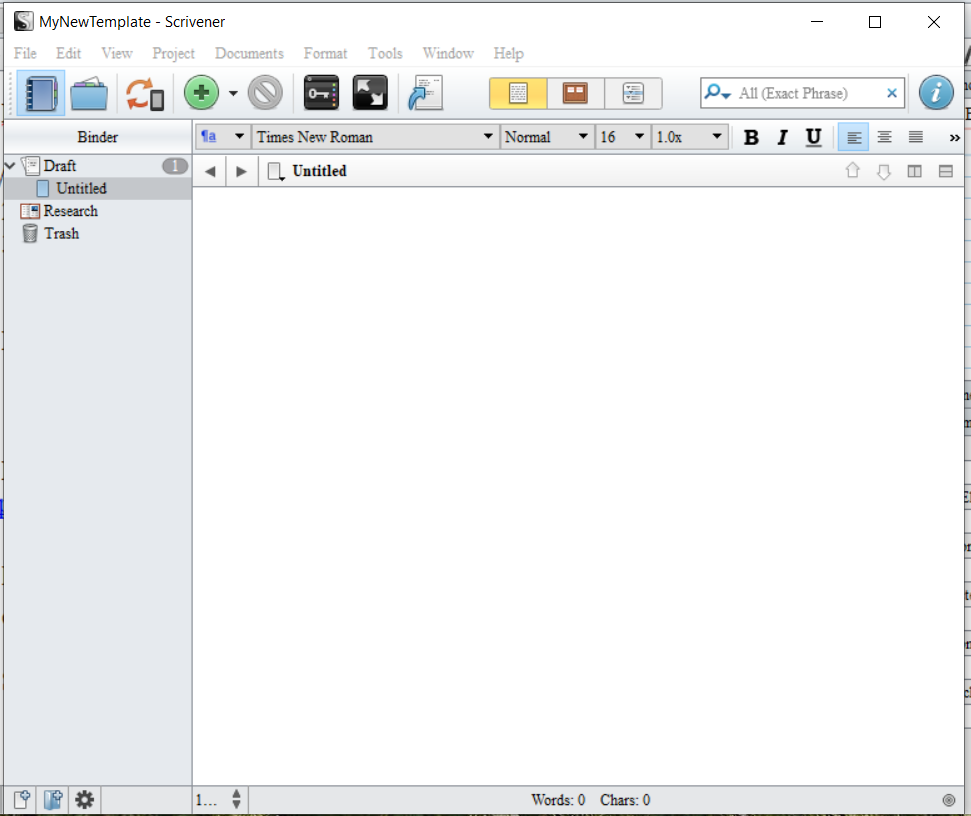 Scrivener comes with certain default settings. Most of them are fine, as is, but you may want to change the font of certain items and things to make working in the project more comfortable.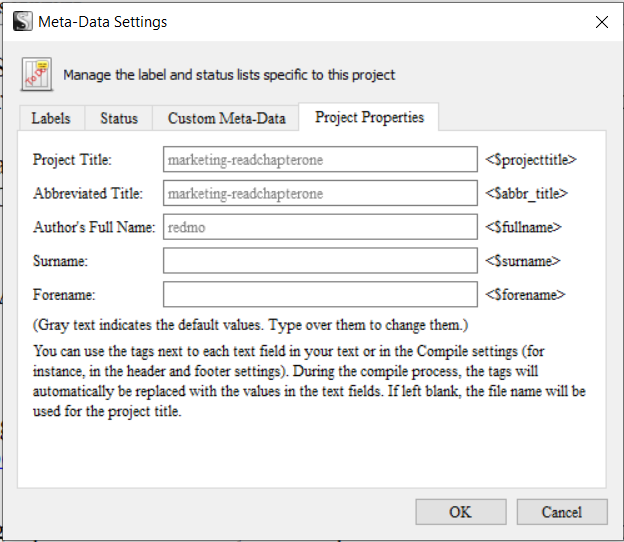

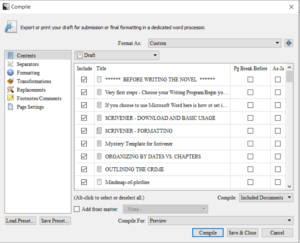
 So now you have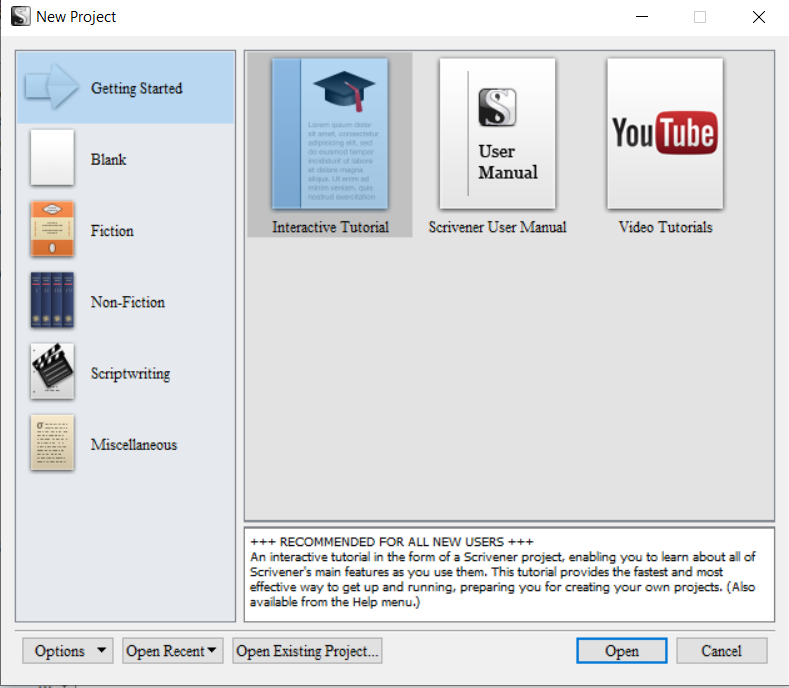
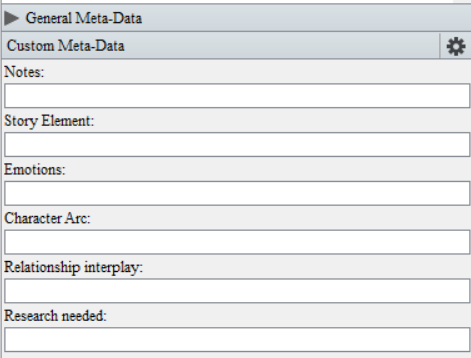 Custom Meta Data - Scrivener allows you to set your own Custom Meta Data entries and I use the following:

 If you are writing novels with a Catholic or Christian theme or backdrop, you may want to consider submitting the book to CatholicReads.com for review. They have a list of over 600 people who are signed up as already interested in Catholic books and Christian books. This is a niche market and one that may be a good fit for your novel.
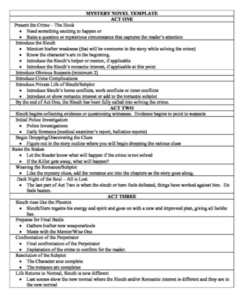 I spent a lot of time in researching novel templates and wound up getting more confused than organized. I may have a mental block on this, or if you are a beginner, you may find the same difficulties in getting your plot or story line to fit exactly over a template outline.
 The one area on YouTube that I never found any ‘work flow’ videos on was the method of reverse engineering story in order to learn the craft. I reread two or three of my favorite novels and reversed engineered them myself. I wanted to see what this method would teach me in terms of how these favorite stories fell into these novel format templates I was finding.
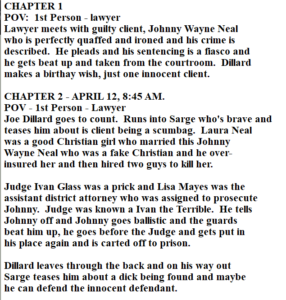 I re-read the book, and during and after each chapter, I wrote down what happened and where I thought this fit in the template. I also tried to identify the conflicts and obstacles, and anything else I thought was relevant to the story.