THIS IS AN EXERCISE IN IMPROVING YOUR NOVEL WRITING BY WATCHING OLDER MOVIES:
I've been doing this exercise for about six months now and it has turned into my favorite way to experience movies. This allows me to experience the movie as a normal viewer but also watch it with an author's third eye.
I choose to watch mostly movies from the 1960s to the late 1970s for a few reasons that I'll go into below:
OLD MOVIES VS. NEWER MOVIES:
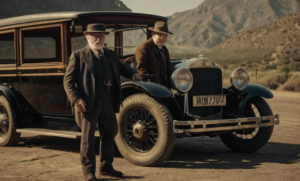
FIRST: Classical Hollywood Style: The old classic Hollywood style focused on clear storytelling, three-act structures, and a focus on character development. The writers and directors infused their work with a fresh perspective, but there was a reliable style to the storytelling. I believe this style is easier to learn from as a new author.
SECOND: The Pace of the movie. Modern films tend to have a faster pace, driven by shorter attention spans and the need to engage audiences immediately and constantly. It's common to see the camera move back and forth shooting so fast you can't keep up. As a writer, there's nothing to learn with this.
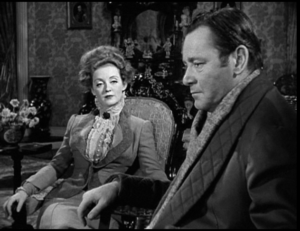 THIRD: Classic films relied more on dialogue, staging and backdrops to tell the story. This is the richness that I find most helpful to see and learn from as an author. Modern storytelling is worried about the 3-second attention span. Older movies assumed the audience was grown up and could sit still and pay attention for a few minutes without intense stimulation.
FOURTH: The older movies were 'agenda free'. There wasn't any heavy-hand pushing politics or debauchery at every turn. In my humble opinion, this ruins even the best of movies.
 FIFTH: Newer movies have upgraded post production technology and CGI, so they are now focused on movie effects, jump scares and gore shocks. Although many of you may enjoy this type of thing, it really doesn't have much to teach a new author.
SIXTH: Even though the costumers and set designers have come so far and their work is breathtaking, the gorgeous backdrops seem to be shown one or twice and the rest of the scenes are filled with quick close-up shots to showcase the facial acting. Whereas, in the older movies, the directors would set up a whole room, have the actors roam through the room while acting. They were constantly doing things, picking up a cigarette, or stoking a fire -- action that you can learn from. This is the type of action that keeps fiction dialogue from being boring. These small movements keep the scene real in the readers' minds.
SEVENTH: There's nothing more irritating than the movies that were made with hand-held cameras and watching it is the equivalent of being on an unattended rollercoaster ride. There is a chaotic feel to the entire movie. This was unthinkable in old Hollywood. Again, you may like this type of film to watch and just enjoy, but there's nothing to be gained as an author from it.
WHICH MOVIES SHOULD I WATCH?
 Everyone has to find their own subgenres whether it be old gothic movies or old mystery movies. But a good place to start is at Wikipedia. Below are two links to the 1960s and 1970s in film. Movies made in these years would fall into the categories I mentioned above.
https://en.wikipedia.org/wiki/1960s_in_film
https://en.wikipedia.org/wiki/1970s_in_film
SO HOW DOES LEARNING FROM MOVIES AS A WRITER WORK?
 It requires you to know ahead of time what will happen. If you are the type that hates to know what will happen first, then watch the movie first to enjoy it as a viewer. Then you can go onto the next section where I talk about the process:
Look up the movie on Wikipedia. Most movies have a full pages with all the information about who wrote it, produced it, directed it and starred in it. It also has a section called Plot. Read the Plot before watching the movie.
Knowing the plot ahead of time doesn't ruin the movie for me because it allows me to watch the movie as a viewer but to also watch for how the writer and director choose to dramatize the action of the plot. You will learn how they do foreshadowing, how they create red herrings, how they hide the true culprit.
You will also learn about tropes. For example. I've been watching Hammer Horror movies from the 1960s and they all have gothic settings. Every gothic movie has the carriage and horses. They all have the castles and fog. THey all have the candelabras. These are the tropes that readers and watchers want. Some tropes never get old.
As the plot unfolds, you can see how it all comes together and how they placed and showcased the final clue or the comeuppance or the final chase, etc. I find this so helpful in seeing the story elements handled by the script writers and the directors.
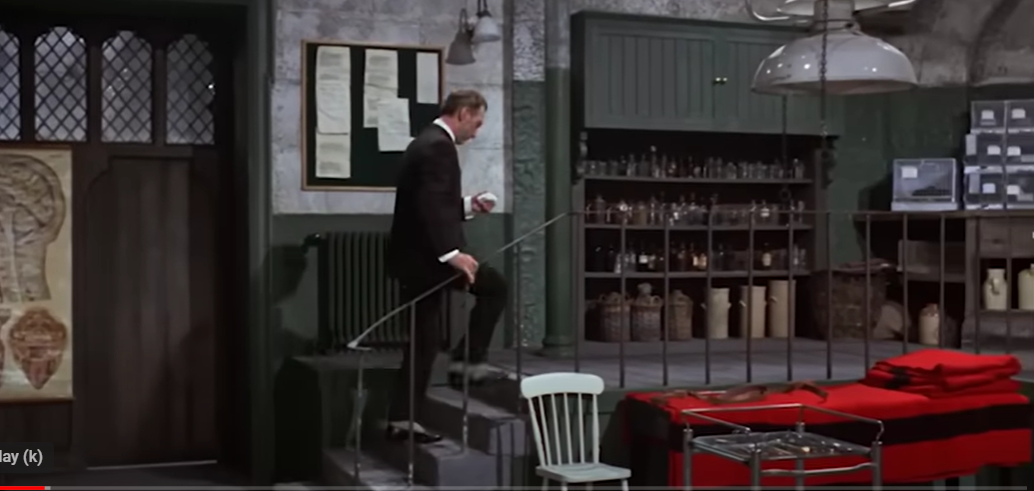
paragraphs describing this WHILE describing an imaginary character interacting in this setting.
TAKE THE EXPERIENCE ONE STEP FURTHER:
 If you are watching the movie on a computer, take a screen shot of a scene and then set up an imaginary happenstance that occurs in this setting. Describe the setting in words, attempting to capture the essence of what you saw on film. Doing this a few times will help you get better and better in describing backgrounds and scene settings.
This type of experience can even lead to an actual short story. Just think up what type of problem could go wrong in this setting and take it from there.
10 Minute Exercise - Watch the first ten minutes of any movie or TV show to see how much background and personality info is dumped just by the background, music and setting. Every movie or show assumes viewers are starting out in the dark. There is always a lot of good ideas in the first 10 minutes of a movie on how to convey information from background and props without dialogue or info dumping.


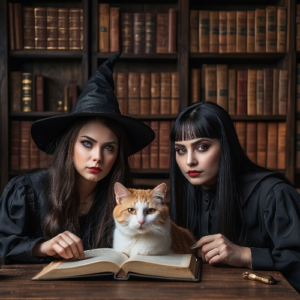
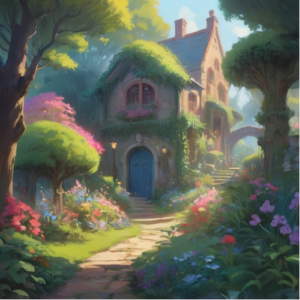
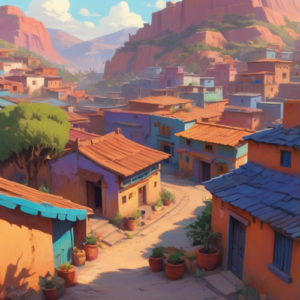 Magical Realism is a newer subgenre too. Magical realism are low fantasy stories as they are rooted in our own world with only one or two fantastical elements -- usually at least one form of magic. They take place in an often-recognizable place and the contemporary world.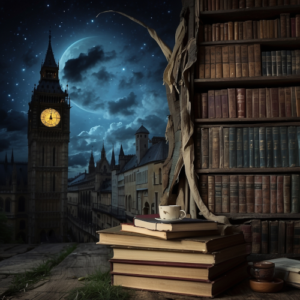
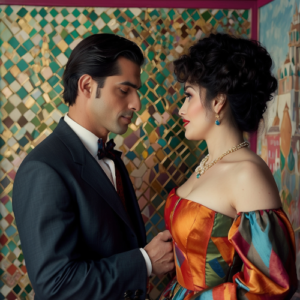
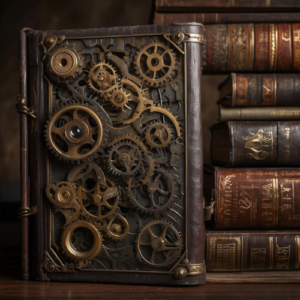
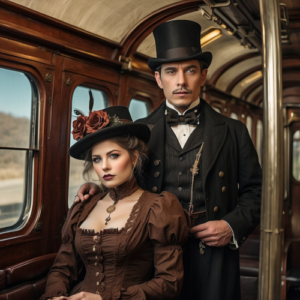
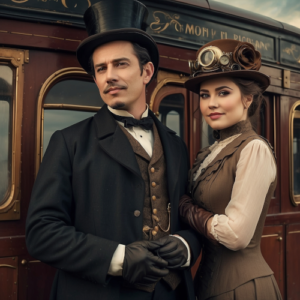 A new subgenre for those who like the steampunk aesthetic and/or urban fantasy, Hope Punk Fantasy contains these elements but without all the hopelessness or grim outlook. The story is more hope and/or happiness based.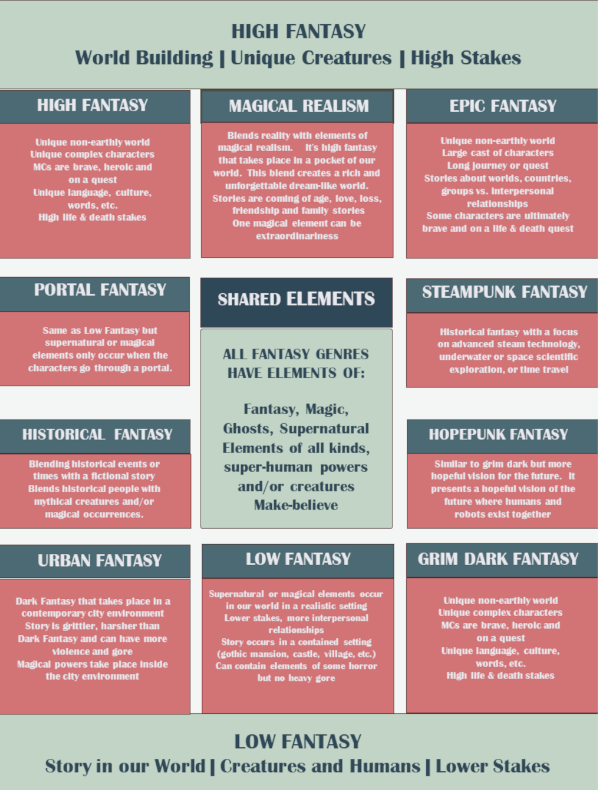

 In our last installment, we covered the top three book genres: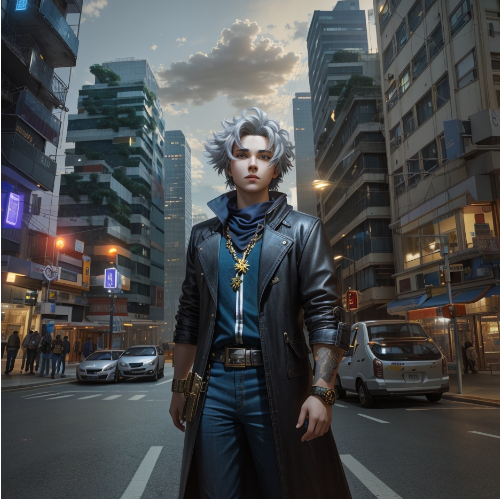
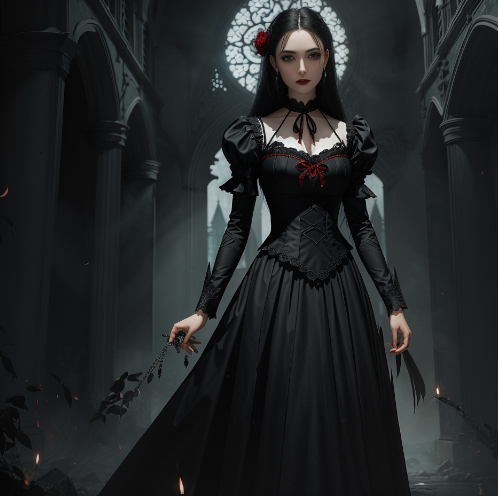
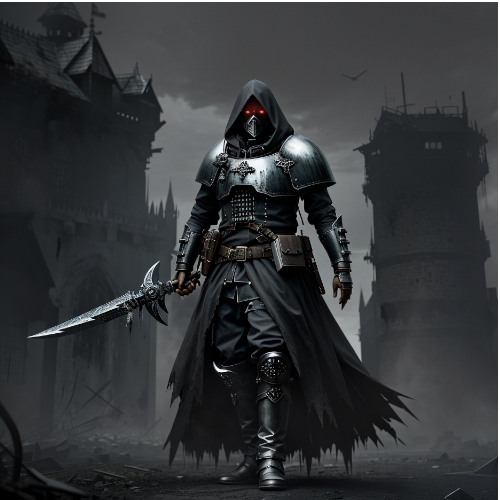
 Before Amazon.com became a behemoth online bookseller, there may have been 20 genres in all of Bookdom. It was all based ono the space available, book cases available and how large he bookstore or library was. All fantasy books were in one section of the store. From there, you needed to come through the author names alphabetically or ask a store clerk if they remembered seeing the book. KDP Publishing and the Website whiz kids at Amazon put an end to that over the last decade or two.Now there are multiple genres of Fantasy and each one can be differentiated by a slight difference. Let's take a look at them starting with the three largest categories: High Fantasy, Epic Fantasy and Low Fantasy.
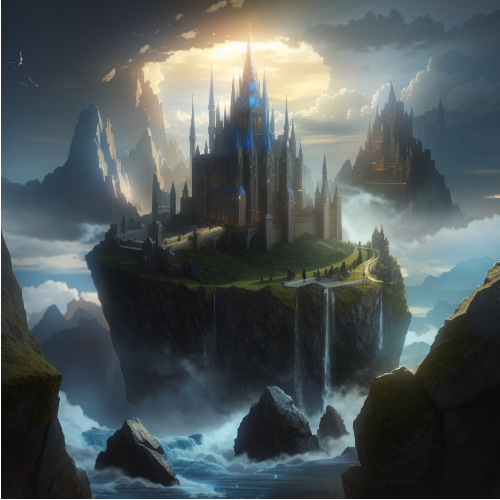 This genre is made up of stories that open up a whole new world, with its own geography, culture and even people -- there could be creatures of any and all kinds. These stories are alive with lots of magic, mythology, legends and folklore. High fantasy usually deals with large-scale problems and conflicts. There are life and death stakes and the main characters are heroes, heroines and most are destined for greatness. Their journey is about fulfilling their destiny and/or saving their world from disaster. High fantasy can be more personal than Epic fantasy. High fantasy can be about personal drama, relationships while Epic Fantasy is usually bigger and more about saving the Kingdoms or a whole group of people.
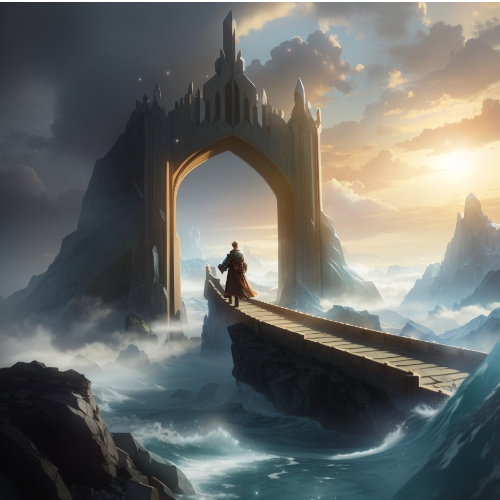 Epic fantasy is very similar to High Fantasy in that it introduces the reader to a whole world conjured up by the author, with a unique geography, weather, history and creatures. Epic fantasy also has lots of magic and other worldly powers, all of which have rules and boundaries that are followed. Epic fantasy can have folklore, but there is more of an emphasis on myths and legends that are weaved in and out of the story.
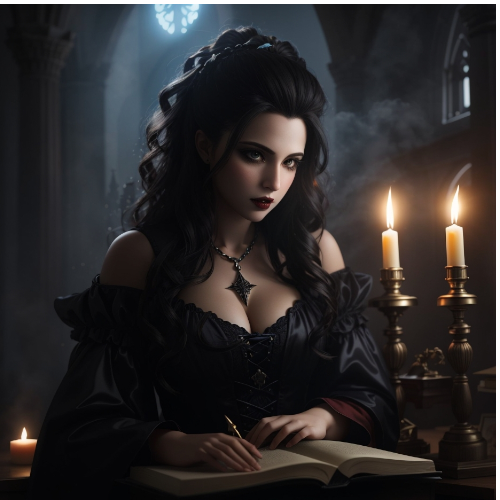 When I first heard of this genre and found out that many vampire books fit into this category, I wasn't happy. It sounds awful -- 'low fantasy'. What kind of a name is that? However, the low fantasy refers to the level of magic and world-building that takes place in a low fantasy book.
 Each writer or author will have slightly different goals. My blog post will speak directly to website bloggers and/or to fiction authors. However, if you publish low-content books or children’s books — or even coloring books, all of these techniques will be relevant to you because they are about basic marketing. Just change up whatever technique is mentioned and make it more fitting to whatever type of marketing you need to do.

 START COLLECTING EMAILS: Collecting emails to send to people about your book or books. I would recommend MailerLite as they are the least expensive but professional platform for a beginner. Everyone starts with a free account. They allow you to collect a couple of hundred emails before they want to get paid. And then they charge you per hundred or so. So your expenses keep steady with your marketing results.
 GOODREADS: Establish a presence on GoodReads.com where the most avid and voracious readers hang out. Sign up for an account with them and you will get a chance to upload your book cover. It can be a little confusing at
 I personally am too shy (and too old) to go this route, but if you happen to be a bit younger or extroverted, this can create a HUGE BUZZ. Local people become fans, they tell people they know you, they buy paperbacks and hardcovers — and many want you to sign them! So don’t underestimate the life of the buzz you can create by talking about your book in front of a few people at the local library.
 LOW-BID AMAZON AD STRATEGY: And the last step for absolute beginners is to learn strategies for low-bid strategies (going for the low-hanging fruit) using Amazon Ads. This is where you bit .12 cents a click. You won’t rocket to the top of the best seller list, but this is a great strategy to begin to crawl your way out of oblivion. I’ll have a dedicated blog post about how to set up a low-bit strategy.
 I personally don’t like social media — the whole thing. However, I also don’t really like marketing either! But in today’s world, if you want to self publish, you need to market your books or blog and there are lots of ways to market even if you are shy or introverted, like I am.
 First: It’s only a plan of action if you do something about it all. So be sure to open your social media accounts in the next days if you haven’t established them already.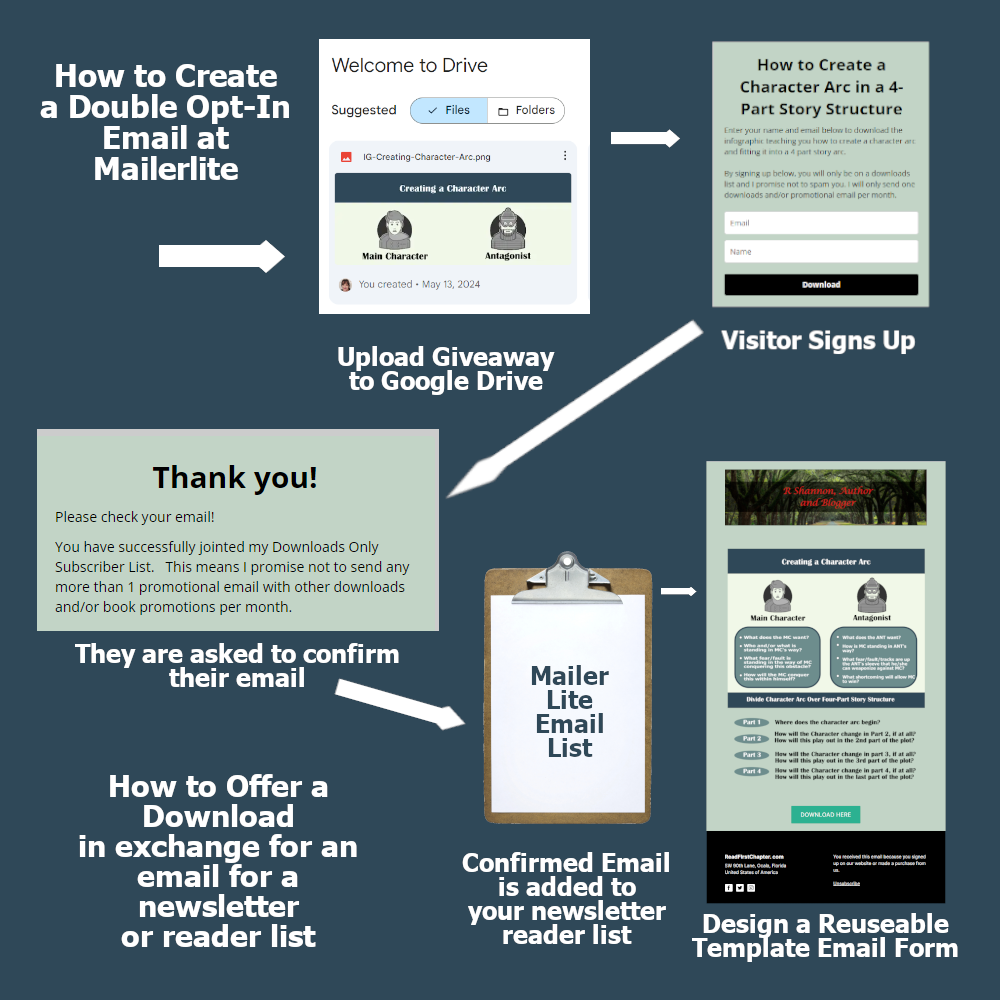
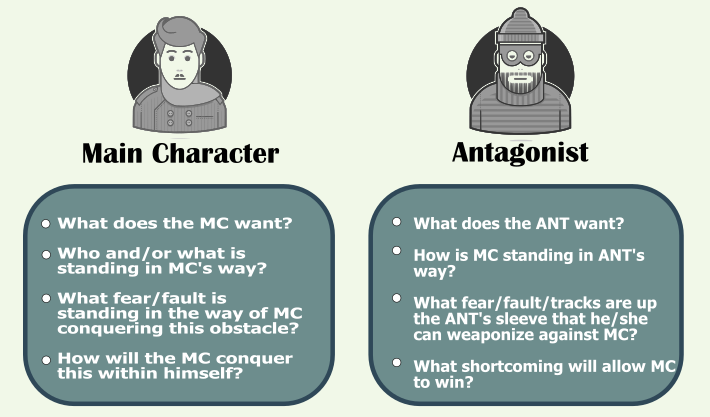
 I use a four-part plot structure, so I break my character arc into four sections. This allows me to keep up with the character development and also don’t resolve the inner conflict too early.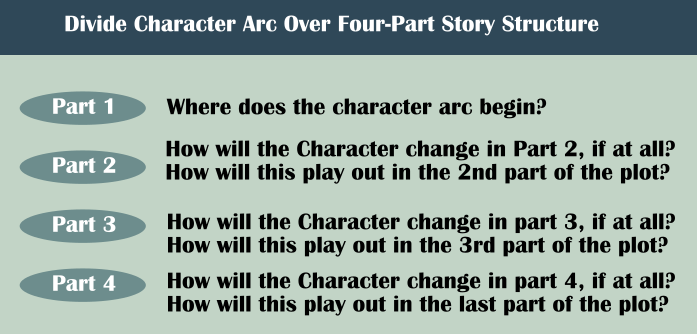

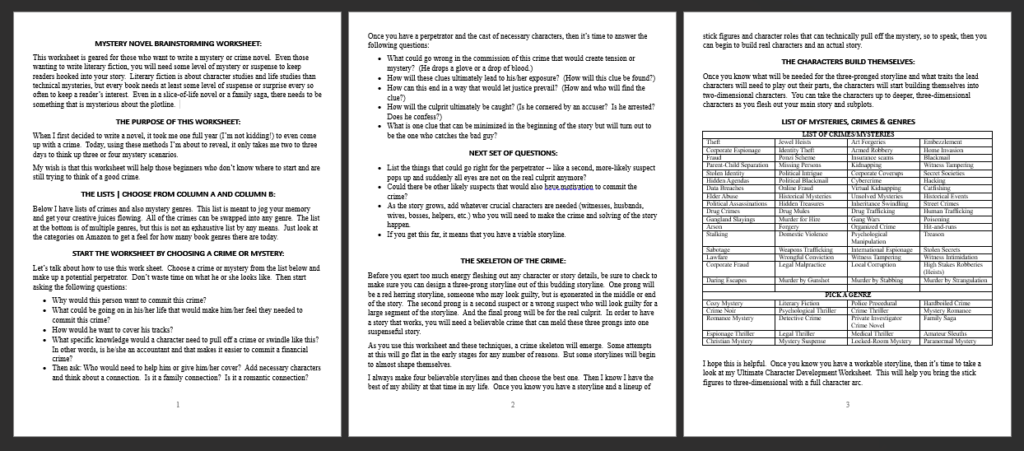
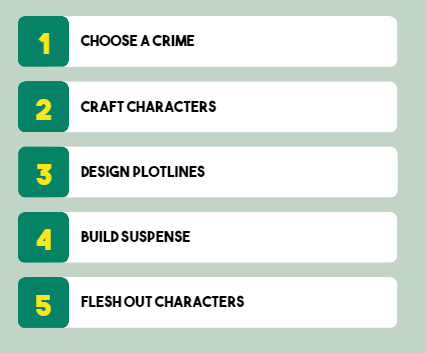
 If you are stumped for a main story, or if you are stumped for what happens now, or even if you have written yourself into a bit of a corner, this instructional will help, along with your own creativity and thinking, to bring about new possibilities.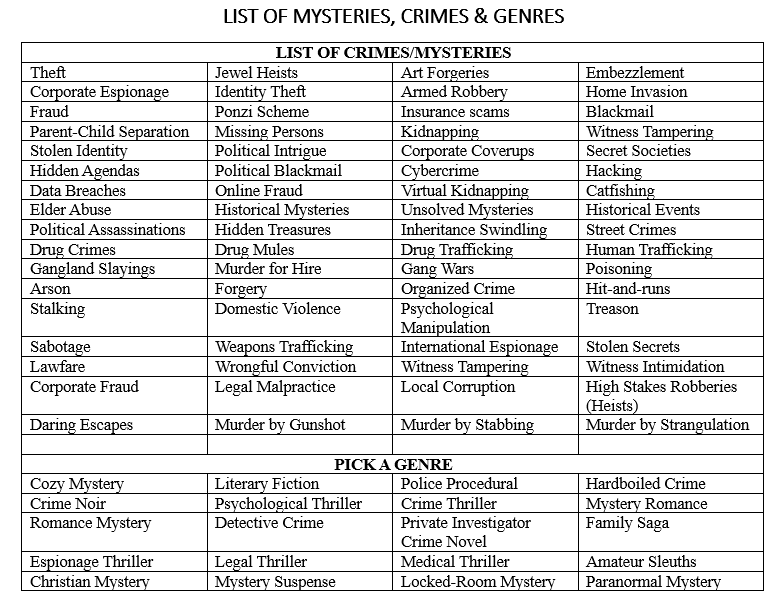

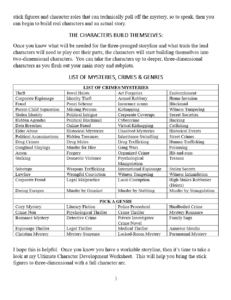
 Once you have a perpetrator and the cast of necessary characters, then it’s time to answer the following questions:
 Before you exert too much energy fleshing out any character or story details, be sure to check to make sure you can design a three-prong storyline out of this budding storyline. One prong will be a red herring storyline, someone who may look guilty, but is exonerated in the middle or end of the story. The second prong is a second suspect or a wrong suspect who will look guilty for a large segment of the storyline. And the final prong will be for the real culprit. In order to have a story that works, you will need a believable crime that can meld these three prongs into one suspenseful story.
 As you use this worksheet and these techniques, a crime skeleton will emerge. Some attempts at this will go flat in the early stages for any number of reasons. But some storylines will begin to almost shape themselves.
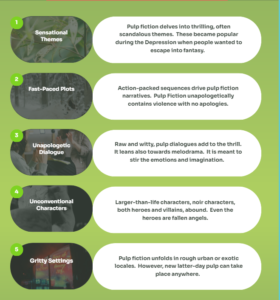
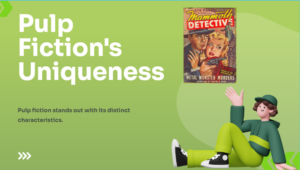 Pulp Fiction become popular during the depression of the 1920s and 1930s. Publishers at the time used a very cheap “pulp” paper in order to produce these short stories and magazines that cost about a quarter. Yes, twenty-five cents!