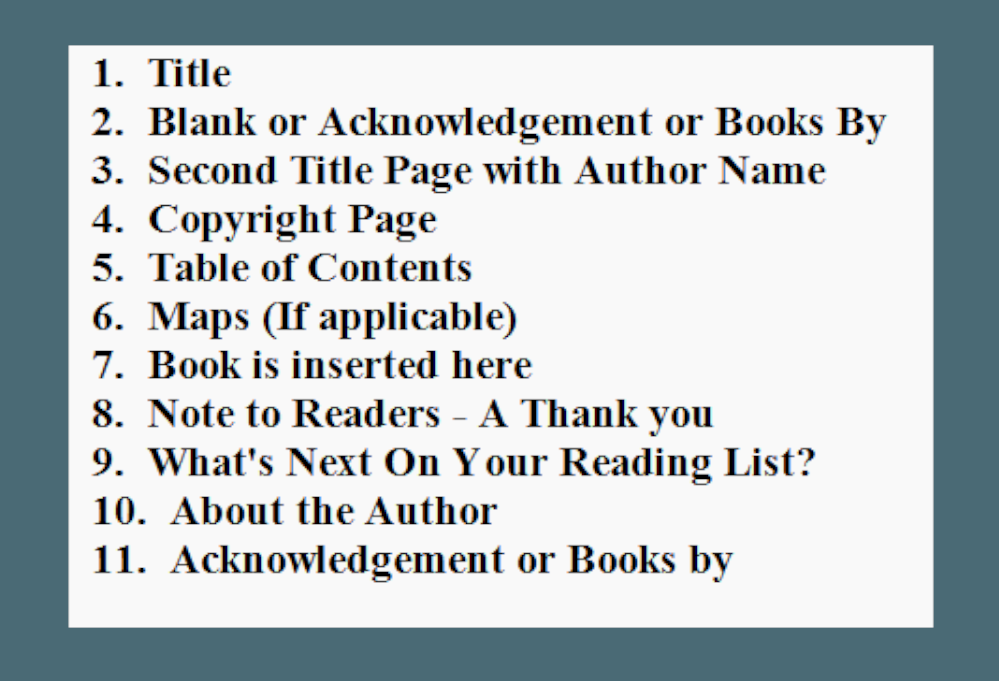
 This book is for beginners who are publishing their first or second novel and they are still a little skittish about what else goes into a book. I’ll lay it out so you can easily follow the list and be confident that you’re not forgetting anything. These page suggestions are taken from the publishing industry. These are the pages that appear in a book published by a publishing house.
Often the pages before a book starts are referred to as “front matter”. Pages 1 to 6 would be considered Front Matter. The rest of the pages after the book is inserted are considered Back Matters.
PAGE 1: A Title page with only the name of the Book. The font is usually big enough for the title to stand alone. It is usually centered on the page horizontally and vertically.
Page 2: Either a blank page or a Books by Page. If you have other books that are published, you can list them on this page. The title should be something like “Other Books by AUTHOR NAME”.
Page 3: A second Title Page, but this one will have the name of the book, and below it the name of the author. Again, this is in larger font and it is centered vertically and horizontally on the page.
Page 4: Copyright page. I am not a lawyer so I can’t give you any information that is legally correct. However, I can tell you that I cobbled together different verbiage that I found in other author books. I made it long enough to cover my bases, but not too long. Below is the verbiage that I used.
COPYRIGHT:
This book is a work of fiction. Names, characters, places, and incidents are the product of the author’s imagination or are used fictitiously. Any resemblance to actual events, locales, or persons, living or dead, is coincidental.
Copyright © 2024 by AUTHOR NAME
Forward copyright © 2024 by AUTHOR NAME
Preview of this book copyright © 2024 by AUTHOR NAME
All rights reserved. In accordance with the U.S. Copyright Act of 1976, the scanning, uploading, and electronic sharing of any part of this book without the permission of the publisher constitute unlawful piracy and theft of the author’s intellectual property. If you would like to use the material from the book (other than for review purposes), prior written permission must be obtained by contacting the publisher at AUTHOR’S EMAIL.
Thank you for your support of the author’s rights.
Then you can put the name of your publishing company, if you have one, otherwise, leave the rest of the page blank.
Page 5: Table of Contents. eBooks require links for chapter beginnings and Paperback and Hardcover require page numbers.
Page 6: (If applicable) Any maps that you may be including in your book.
Page 7: Next comes your book.
Page 8: Note to Readers.
Dear Reader:
Thanks for giving your time to read this story. I hope you enjoyed it.
As a new fiction author, reviews are very helpful to me. If you enjoyed this novel, I’d be so grateful if you would leave a review on Amazon.com. Here is a direct link: (Add link to the review for this book).
[In order to create a review link, you will need the ASIN number of your book. Then swap out your ASIN Number or ISBN number for the X’s in the link below:
https://www.amazon.com/review/create-review?&asin=XXXXXXXX]
I love to hear any feedback about the book and enjoy interacting with my readers, so please feel free to email me at AUTHOR EMAIL
Thanks again!
AUTHOR NAME OR SIGNATURE
Page 9: What’s Next on your Reading List?
Verbiage: Below is a chapter or two of my next book (or the next book in a series) for you to sample. I hope you enjoy it.
Then insert up to 9% of the next book. I keep it under 10% in case you are in Kindle Select. They allow up to 10%, but I like to keep it on the lower side.
Page 10: About the Author: Add a biography of yourself. Be sure to add a contact email as well as a little personal information.
Page 11: Acknowledgements: This page can go here or in the beginning of the book. You can put it in lieu of “Other Books By Page.” If you do use the Acknowledgements in the beginning of the book, then you can add the Other Books By Page here at Page 11.
 When I self-published my first novel, I finished it and uploaded it and waited. That’s when I learned how important marketing the book is. I also learned through the next several books how important it is to take advantage of each tiny phase of a book launch for marketing. That’s what this blog post is about.

 Writing a novel is a huge undertaking. There are many things that go into the writing of a fiction story. The best tip I can pass on is this: Break everything down into little bite-sized pieces. By doing this, you can reduce a huge project down to do-able portions that can be done whether you have 2 hours a week to write or two full days! It only requires a little planning and organization.
 It’s important to keep reading as your own journey as a writer continues. Each author has a different style and uses different storytelling techniques. The stories don’t even have to be great. You can learn from the good, the bad and the bland. Just analyzing what made a book bland is a great lesson in itself. Did the story need more action? Did the story get stuck somewhere?
  or other books you read. Reading other authors is crucial no matter where you are on the writing spectrum. However, when you’re new, you can learn a lot from watching mystery or crime noir movies. I like movies from the 1940s, 1950s, and 1960s. The movies in these decades didn’t have CGI and the directors had to use the stage to tell the story. They used wider shots and props to assist the storytelling. By watching these older movies, you can learn a lot regarding writing.
  It’s a good idea to read the synopsis before you view the movie. Knowing at least a basic outline of the story will allow you to absorb more as an author. If you go into the movie blindly, you will be “experiencing the movie” as a viewer only. By knowing ahead of time what story will be unfolding, it will allow you to watch specifically for certain scenes to unfold. You can watch what tools are used to move the story along.
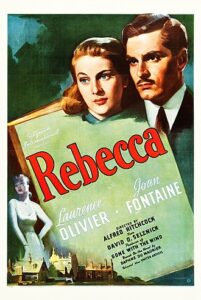 If you are looking for a suggestion, I would suggest Rebecca for the first movie. This movie was directed by Alfred Hitchcock and it has a lot of gothic atmosphere. There is also a psychological plotline in this story so it is a goldmine for learning storytelling tools.
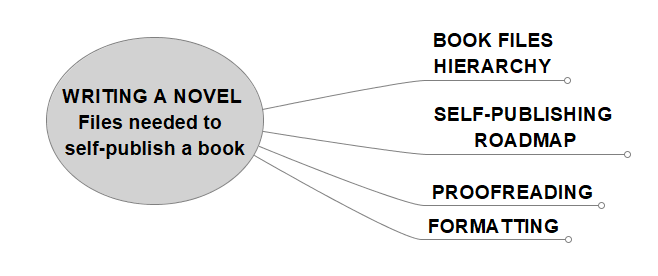
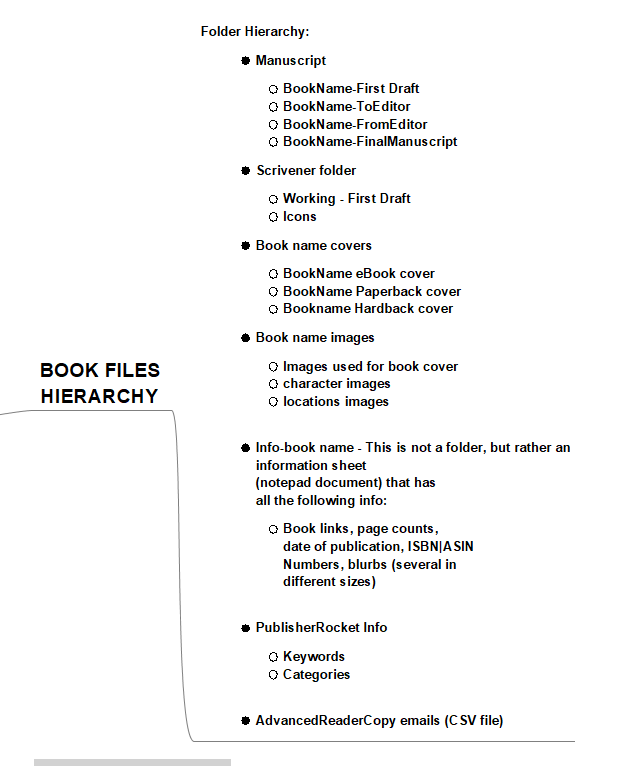
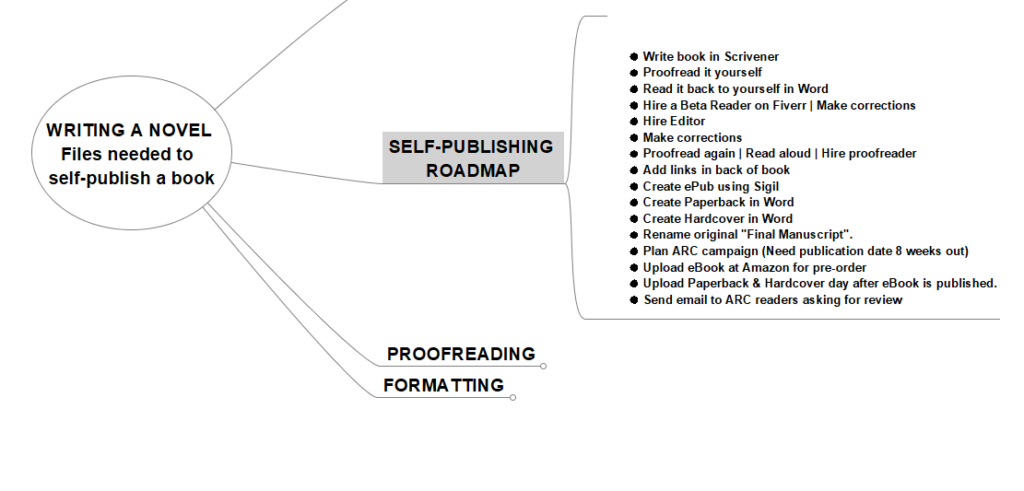
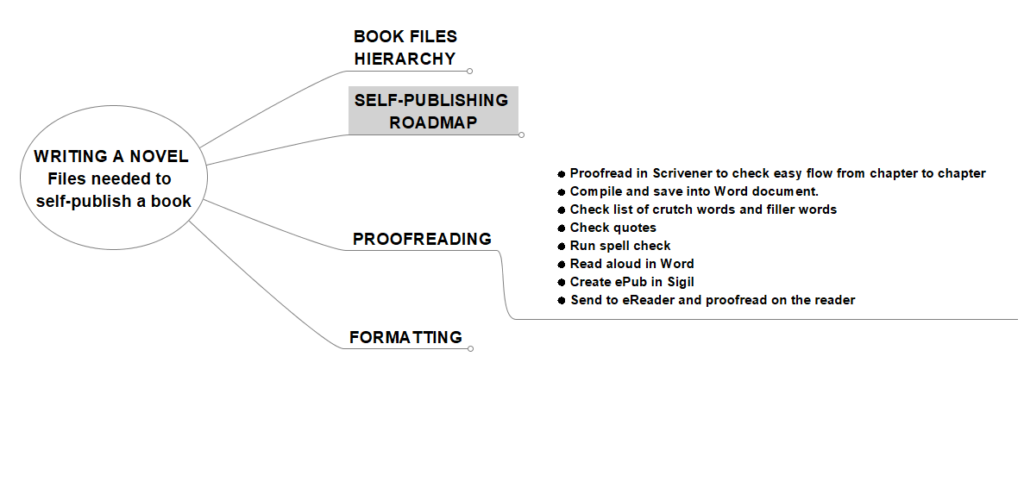
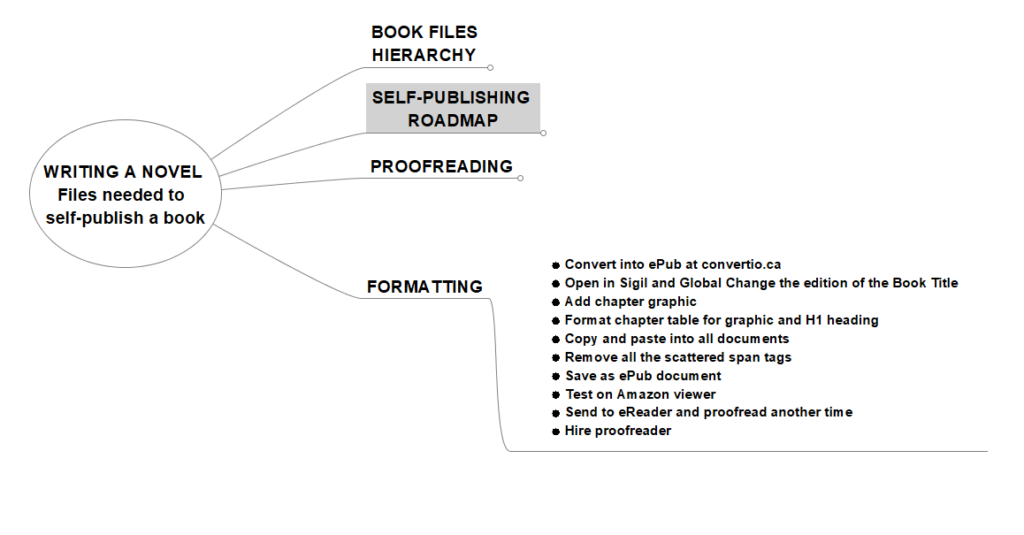
 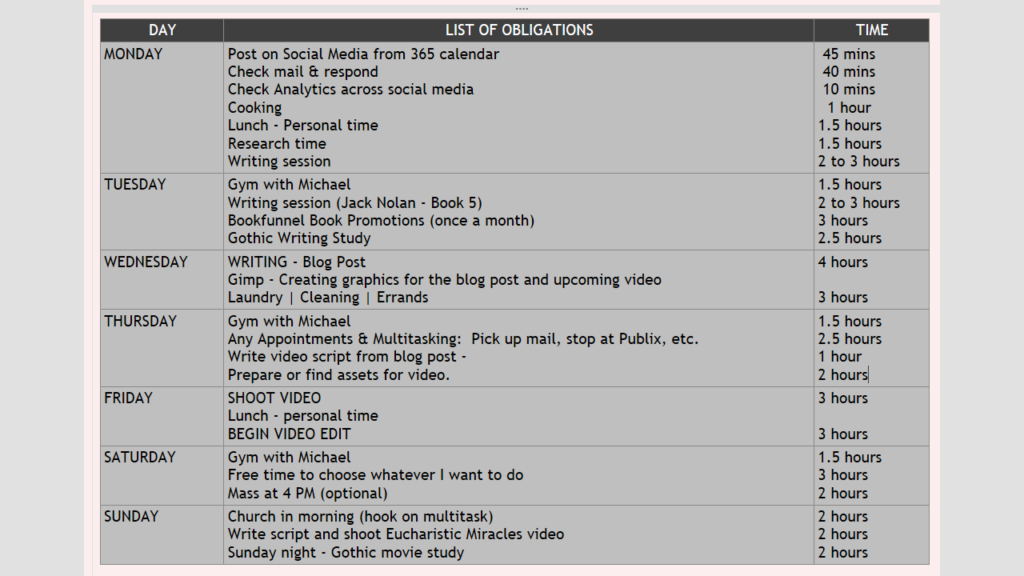 In the last installment, I described how to start your duties and obligations list with realistic times associated with each one. The list will prove itself over a week or so. Then you will be ready to expand on that list and make a series of workflows, templates, and procedure lists or diagrams. I have posted my own above to jog your memory as to where we left off.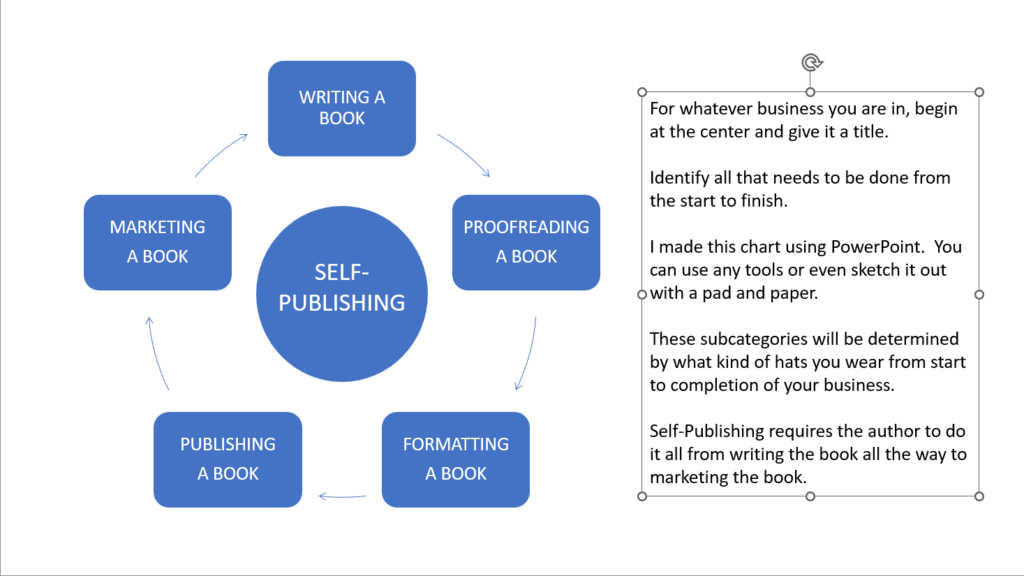
 veryone writes for a reason. Knowing why you write is important, especially as a beginner writer. Writing a book is not hard, but it can be a long process. If your purpose for writing is clear, this will give you the energy and inspiration to spur you on if and/or when the going gets a little tough.
 I'm old enough to remember 'phone guys' that worked for Bell South or whatever the phone company was called back then. These men -- they didn't have phone women back then -- would show up with big toolbelts and gaffs or lineworker boots on. These boots had cleats or little metal spikes in them that was a safety feature. These men know everything about the phone system. They would climb the wooden telephone poles and they could fix phones outside on the pole or inside in the houses. They were familiar with the entire system. That is one group of technical workers that have fallen away.
 Very often life dishes out some hard times to some of us. Did you experience, survive and prosper through some difficult times that you feel compelled to write a memoir about? You don't have to have been a famous celebrity or someone with a Moses-like mission. You may have fell on hard times and you want to share your experience, strength or faith that kept you going. People love inspirational stories.

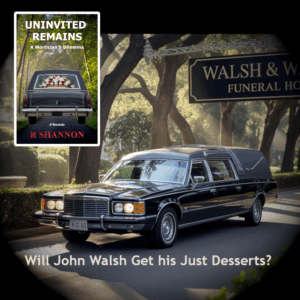
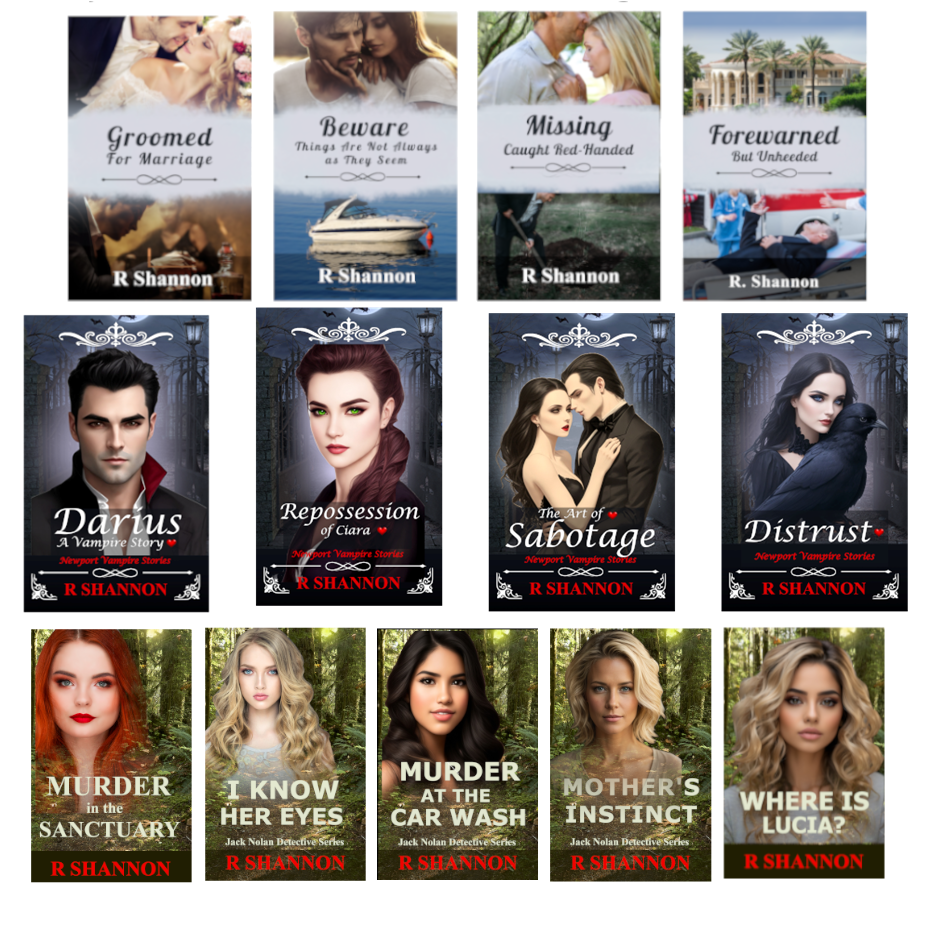
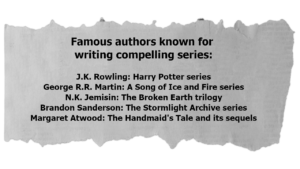 I found out later that more experienced authors even suggested that newer authors consider writing in series because it's easier to market the books. But my venture into writing book series was a happy accident.
 I use broad-stroke character arc for the main characters that extends over all the books in the series. Each individual book, however, the character grows and changes a little bit. So each book contains its own arc, but there is a longer series arc for the main characters. It helps to know this before you start writing the series.


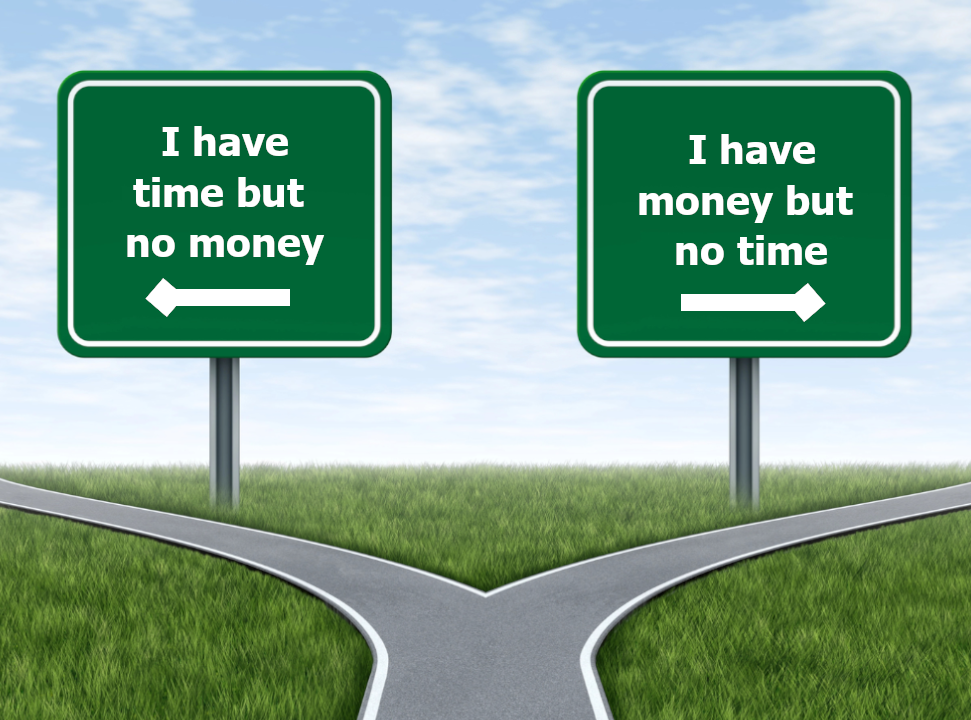
 This could be a person who works full time, lives alone, or has a few kids and there is just not enough extra money around to fund all the things necessary to do when self-publishing a book. Not to worry. There are a few choices for you.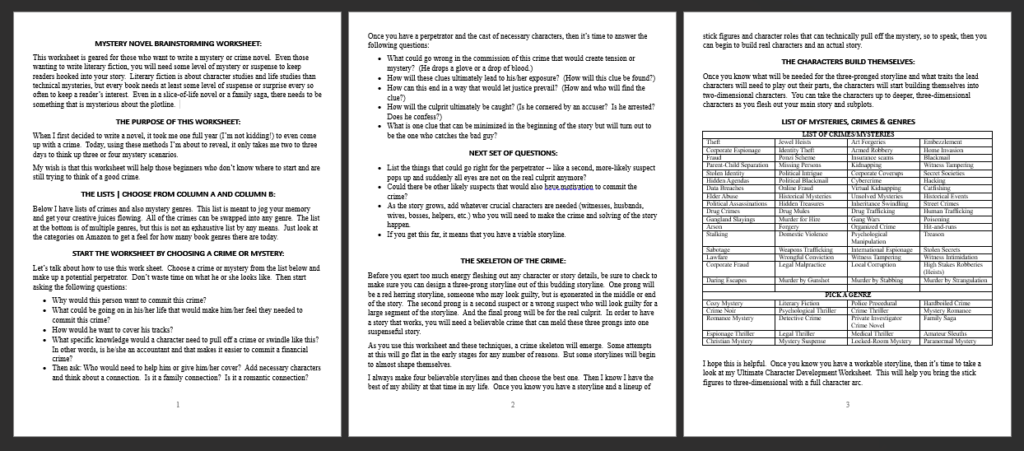
 When I first decided to write a novel, it took me one full year (I’m not kidding!) to even come up with a crime. Today, using these methods I’m about to reveal, it only takes me two to three days to think up three or four mystery scenarios.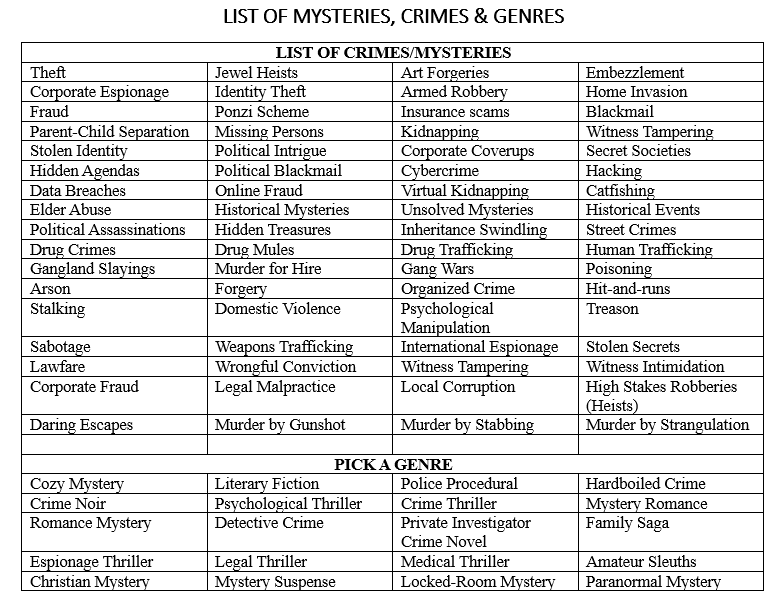
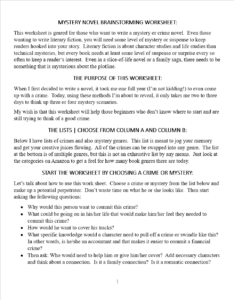 Let’s talk about how to use this work sheet. Choose a crime or mystery from the list below and make up a potential perpetrator. Don’t waste time on what he or she looks like. Then start asking the following questions:
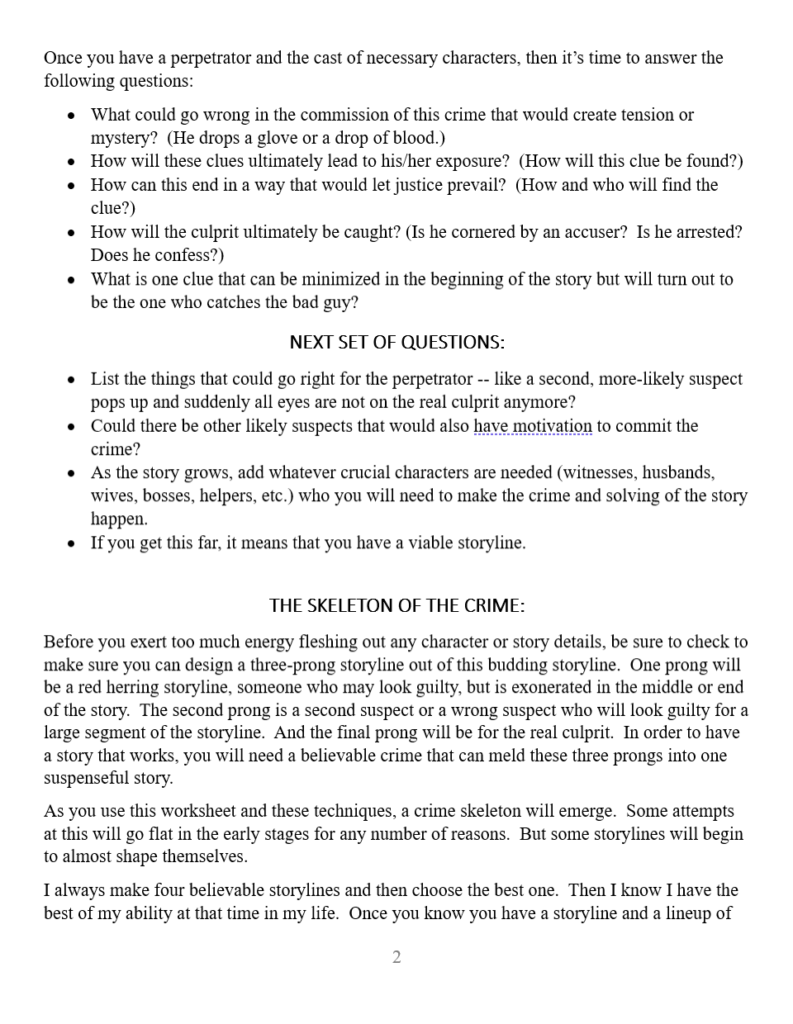 Once you have a perpetrator and the cast of necessary characters, then it’s time to answer the following questions:
 Before you exert too much energy fleshing out any character or story details, be sure to check to make sure you can design a three-prong storyline out of this budding storyline. One prong will be a red herring storyline, someone who may look guilty, but is exonerated in the middle or end of the story. The second prong is a second suspect or a wrong suspect who will look guilty for a large segment of the storyline. And the final prong will be for the real culprit. In order to have a story that works, you will need a believable crime that can meld these three prongs into one suspenseful story.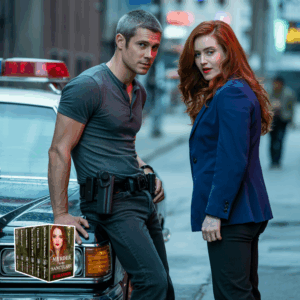
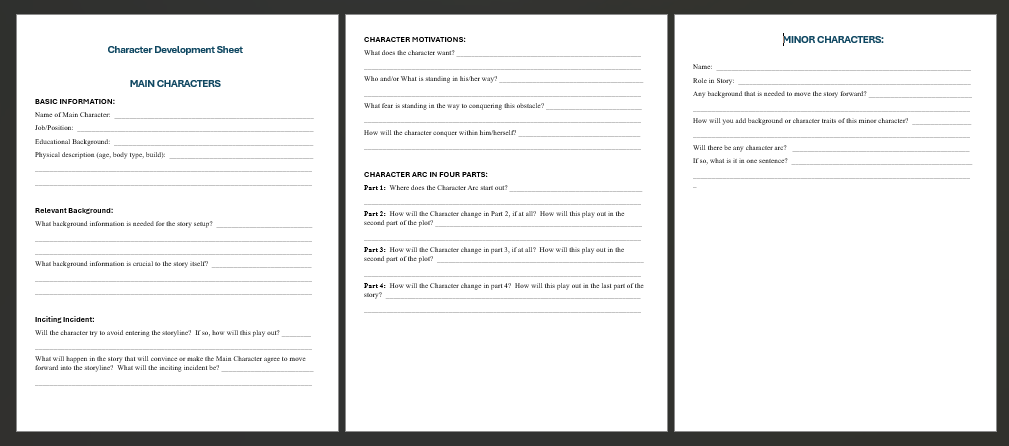
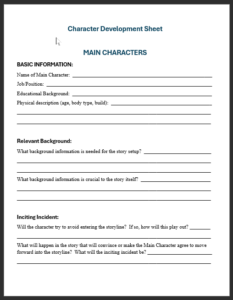 When I started writing several years ago, I came across the standard character worksheet and it focused mostly on physical attributes, occupation but there was a disconnect regarding their role in the storyline, which is the most important part.
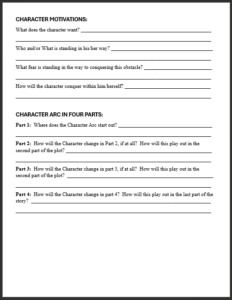 As a newbie, it took me awhile to remember that a character needs to have an arc over the storyline. So it's important -- and time saving -- to know what that arc will be before you even begin the draft. This character sheet can help you find this so you know where you are starting from and where you want to end up. The following questions should help you focus on what this character arc will be:
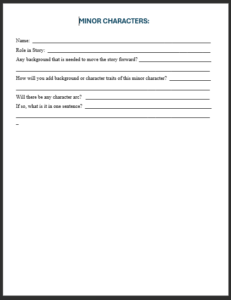 For minor characters, you only need to answer a few questions. It helps to know what role these minor characters will play and what, if any, background information is needed to support them in the storyline: