
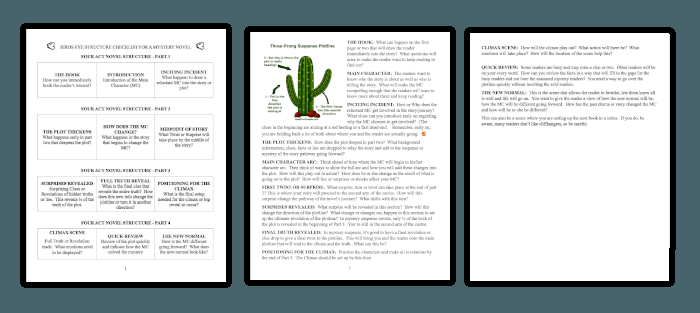
🕊️ BIRDS EYE STRUCTURE CHECKLIST FOR A MYSTERY NOVEL 🕊️
FOUR ACT NOVEL STRUCTURE - PART 1
| THE HOOK
How can you immediately hook the reader’s interest? |
INTRODUCTION
Introduction of the Main Character (MC) |
INCITING INCIDENT
What happens to draw a reluctant MC into the story or plot? |
FOUR ACT NOVEL STRUCTURE - PART 2
| THE PLOT THICKENS
What happens early in part two that deepens the plot? |
HOW DOES THE MC CHANGE?
What happens in the story that begins to change the MC? |
MIDPOINT OF STORY
What Twist or Surprise will take place by the middle of the story? |
FOUR ACT NOVEL STRUCTURE - PART 3
| SURPRISES REVEALED Surprising Clues or Revelations of hidden truths or lies. This reveals ¾ of the truth of the plot. | FULL TRUTH REVEAL
What is the final clue that reveals the entire truth? How does this new info change the plotline or turn it in another direction? |
POSITIONING FOR THE CLIMAX
What is the final setup needed for the climax or big reveal to occur? |
FOUR ACT NOVEL STRUCTURE - PART 4
| CLIMAX SCENE
Full Truth or Revelation made. What emotions need to be displayed? |
QUICK REVIEW
Review of the plot quickly and indicate how the MC solved the mystery |
THE NEW NORMAL
How is the MC different going forward? What does the new normal look like? |
THE STORY ELEMENTS:
THE HOOK: What can happen on the first page or two that will draw the reader immediately into the story? What questions will arise to make the reader want to keep reading to find out?
MAIN CHARACTER: The readers want to know who the story is about as well as who is telling the story. What will make the MC compelling enough that the readers will want to know more about them and keep reading?
INCITING INCIDENT: How or Why does the reluctant MC get involved in the story/journey? What clues can you introduce early on regarding why the MC chooses to get involved? (The clues in the beginning are aiming at a red herring or a first dead-end. Remember, early on, you are holding back a lot of truth about where you and the reader are actually going. 😜
THE PLOT THICKENS: How does the plot deepen in part two? What background information, clues, facts or lies are dropped to relay the story and add to the suspense or mystery of the story pathway going forward?
MAIN CHARACTER ARC: Think ahead of time where the MC will begin in his/her character arc. Then think of ways to show the full arc and how you will add these changes into the plot. How will this play out in action? How does he or she change as the result of what is going on in the plot? How will lies or surprises or shocks affect your MC?
FIRST TWIST OR SURPRISE: What surprise, turn or twist can take place at the end of part 2? This is where your story will proceed to the second arm of the cactus. How will this surprise change the pathway of the novel’s journey? What shifts with this turn?
SURPRISES REVEALED: What surprise will be revealed in this section? How will this change the direction of the plotline? What change or changes can happen in this section to set up the ultimate revelation of the plotline? In mystery suspense novels, only ¾ of the truth of the plot is revealed in the beginning of Part 3. You’re still in the second arm of the cactus.
FINAL TRUTH REVEALED: In mystery suspense, it’s good to have a final revelation or clue drop to give a final twist to the plotline. This will bring you and the reader onto the main plotline that will lead to the climax and the truth. What can this be?
POSITIONING FOR THE CLIMAX: Position the characters and make all revelations by the end of Part 3. The Climax should be set up by this time.
CLIMAX SCENE: How will the climax play out? What action will there be? What emotions will take place? How will the location of the scene help this?
QUICK REVIEW: Some readers are busy and may miss a clue or two. Other readers will be on your every word. How can you review the facts in a way that will fill in the gaps for the busy readers and not bore the seasoned mystery readers? You need a way to go over the plotline quickly without insulting the avid readers.
THE NEW NORMAL: This is the scene that allows the reader to breathe, lets them know all is well and life will go on. You want to give the reader a view of how the new normal will be, how the MC will be different going forward. How has the past drama or story changed the MC and how will he or she be different?
This can also be a scene where you are setting up the next book in a series. If you do, be aware, many readers don’t like cliffhangers, so be careful. If you want to download the 3-page template, sign up below and download the pdf to have handy.
Sign up below to download the template:




 When I self-published my first novel, I finished it and uploaded it and waited. That's when I learned how important marketing the book is. I also learned through the next several books how important it is to take advantage of each tiny phase of a book launch for marketing. That's what this blog post is about.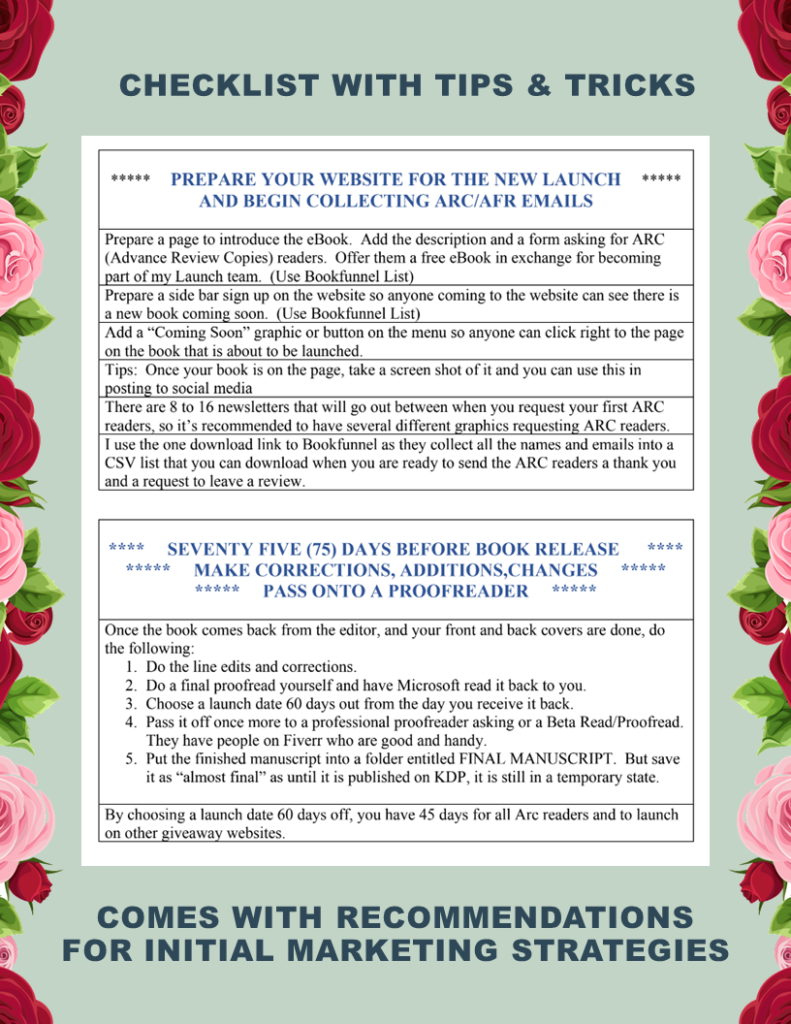
 In Layer 8, I do a read-back. In Microsoft Word, I use the Read-Aloud feature that is contained on the Review Tab. By listening to the book read aloud by someone else, it doesn't skip over mistakes like I do as the author. By the time I'm finished with Layer 7, I've read and reread this book too many times to trust my eyes to spot every error.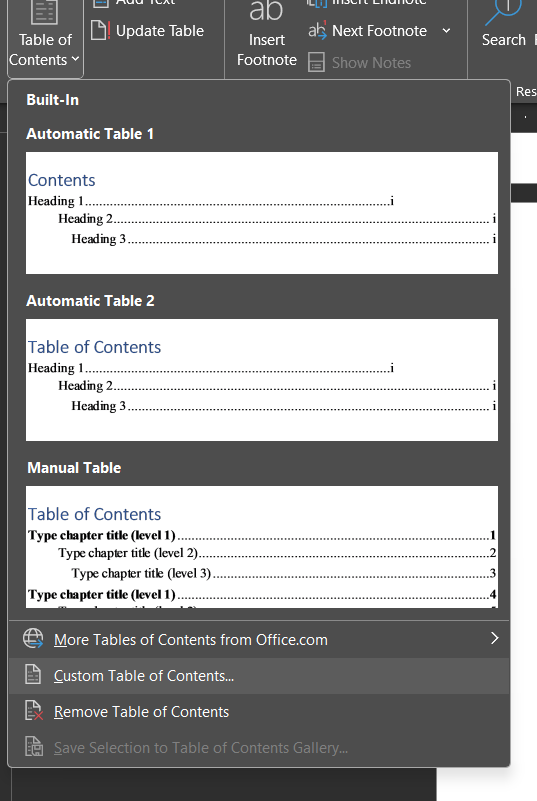

 We compiled the novel into a Word document and named it "Manuscript from Scrivener". That's where we now pick up with Layer 7.
 Layer 6 is the first true proofreading. In Layer 5, I proofread to make sure the story flowed without interruption from scene to scene. My focus was on making sure the story flowed from scene to scene, without any big unexplained time gaps, or location mistakes, etc.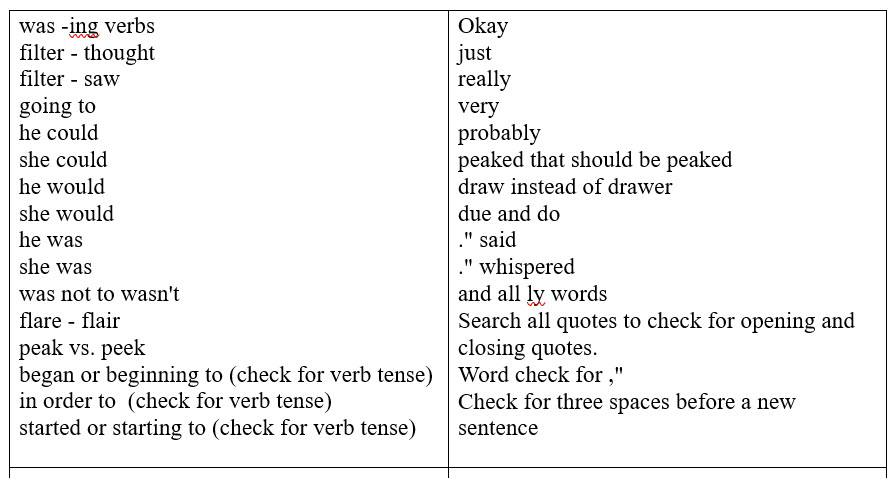
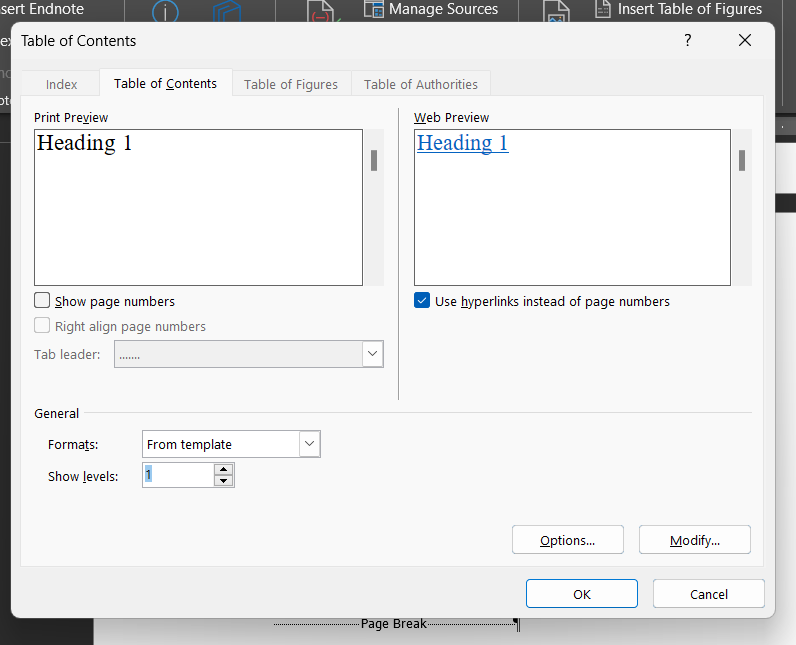
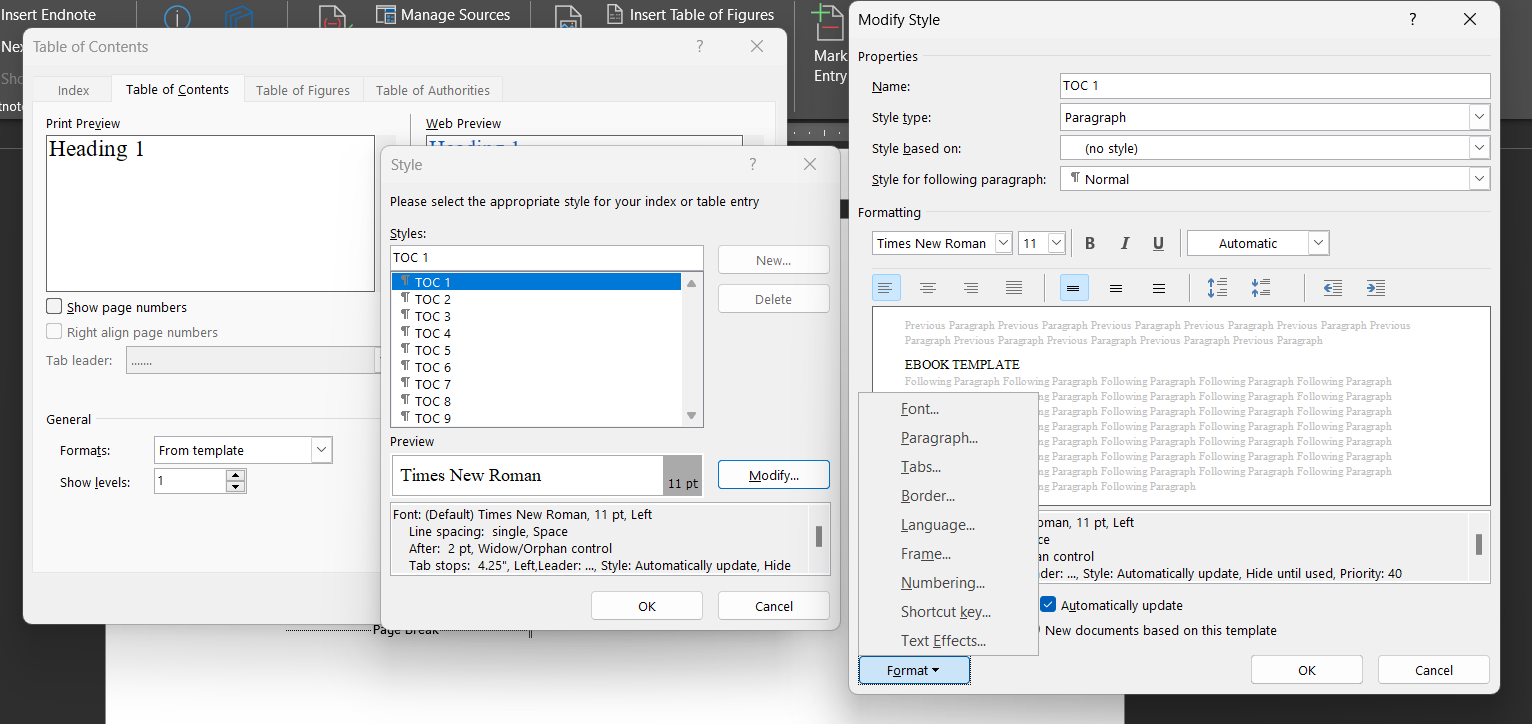
 Once you are finished with Layer 6, Click on File => Compile
 Yes, a tax lien on a company is a public record. This means that anyone can search for and view the lien, including potential creditors, investors, and the general public. The lien will typically be filed with the county recorder's office in the county where the company is located.
 The purpose of a tax lien is to give the government a legal claim on the company's assets if the company fails to pay its taxes. The lien will remain in effect until the taxes are paid in full.
 If you are interested in finding out if a company has a tax lien, you can search the public records for the county where the company is located. You can also contact the Internal Revenue Service (IRS) to see if they have a lien on the company.
 Here are some of the reasons why someone (or a detective) might want to know if a company has a tax lien:
 Sometimes just having an overview of how things work can help you thicken the plot or add some details that will enrich the story. Below are some words and definitions that surround the subject of Tax Liens:
 A gun silencer, also known as a suppressor, is a muzzle device that reduces the sound of a gunshot. It does this by slowing down and cooling the expanding gases that are released from the barrel when the gun is fired. Silencers do not completely silence a gunshot, but they can reduce the sound level by 20 to 30 decibels. This can make a significant difference in the loudness of the gunshot, making it much less noticeable to people nearby.
 A ballistic report is a record of the characteristics of a bullet, such as its caliber, weight, and velocity. Ballistic reports are used by law enforcement to identify the type of gun that was used in a crime. They can also be used to determine the range from which a shot was fired.
 Here are some of the terms that are commonly used in the field of gun silencers and ballistics:
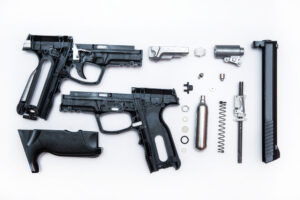 A silencer can leave markings on a bullet. These markings are called "tool marks" and they are caused by the rough interior surface of the silencer rubbing against the bullet as it passes through. The tool marks can be microscopic or macroscopic, depending on the type of silencer and the type of bullet.
 Ballistics experts can use these tool marks to identify the silencer that was used in a shooting. They can also use the tool marks to determine the distance from which the shot was fired.
 I am in the process of writing the fourth book in the
  Husbands and wives who cheat also use burner phones that they hide from their spouses. They don't have to worry about getting caught texting to their lovers.
 Drug traffickers also use burner phones. They use them so they can't be traced by the cops. BUT, as you will read below, they are not foolproof. As a matter of fact, they are kind of easy to trace. If you watched the show, Better Call Saul, his system of selling the phones would work for the drug lords. It worked because Sol bought the phones in bulk in his name. He sold them to individuals for cash. So nothing would ever trace the phones to the people who bought them.
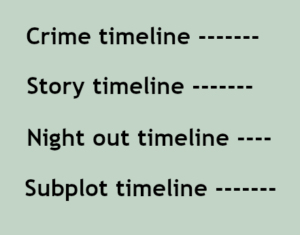 Although I follow a detailed outline of the story before I even start writing, each novel presents its own issues and/or problems. In this novel, I had several timelines I had to keep straight.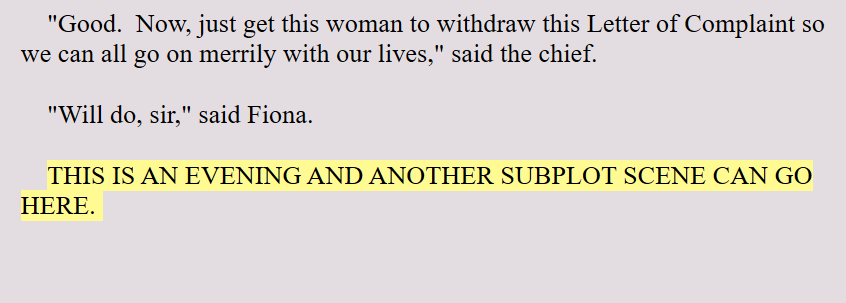

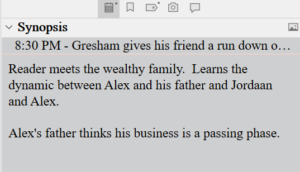 The second thing I do in Layer 5 is to fill out the Synopsis section. This section is in the upper right-hand side of the Scrivener platform.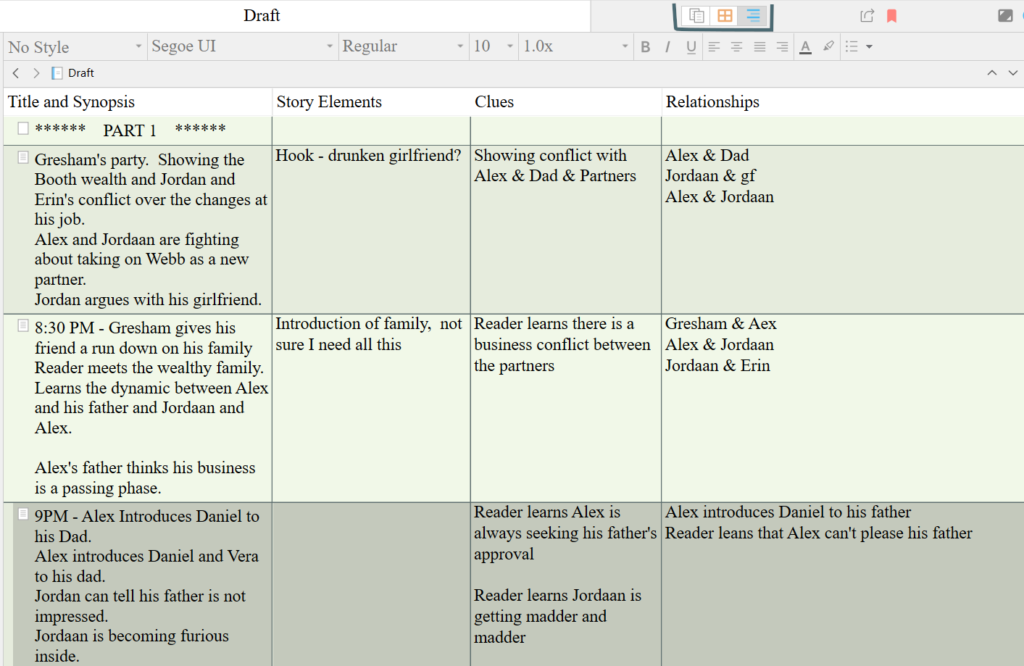
 Now, because I had to kind of abandon the full subplot in Layer 4, I will be finishing the subplot while I'm doing the descriptions and the synopsis box. Once I'm done with this layer, then I'll be back to discuss what happens in Layer 6!
 Turn these Scrivener features off, especially if you plan to move your finished novel draft into Microsoft Word for final formatting. Because I self-publish and I need to upload in ePub and PDF manuscript, I use Word for a final proofread and formatting. I find Word is the best choice for me. The smart quotes do not translate well between Scrivener and Word. If you turn off the smart quotes, Scrivener will replace them with straight quotes and these translate better.
 I'm writing my fourth novel in the Jack Nolan Detective Series. The book is still unnamed. This is Level 4 in my Eight Levels of Writing a Novel series. This first draft is down and dirty. It is the hardest lift of the entire project. At least for me, the first draft is the hardest. The characters all seem like stick figures. I find them unlikeable -- even if I liked them in the last book! Any humor doesn't seem to work. Everything just seems awkward. I have to literally force myself to keep typing. So this tip is to just keep writing. Don't check on any spellings or grammar. Don't even look back. Just keep going until you have the crime down, the main plotline down and the subplots at least in place. That will complete the first down-and-dirty draft. Every other layer will be easy compared to this one.
 With bard.google.com, now it's possible to do research on the fly when writing fiction. Simply open a browser window, type in bard.google.com and start asking it questions.
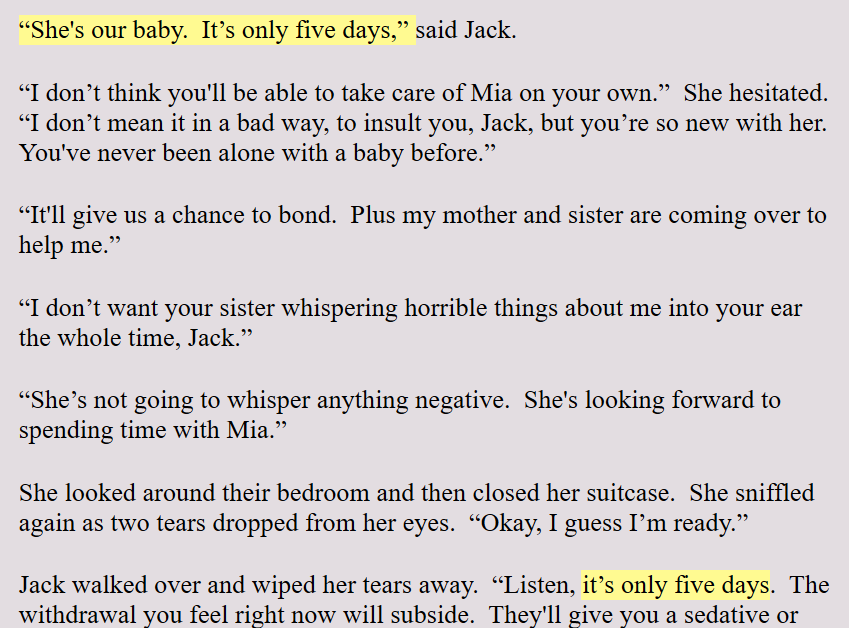
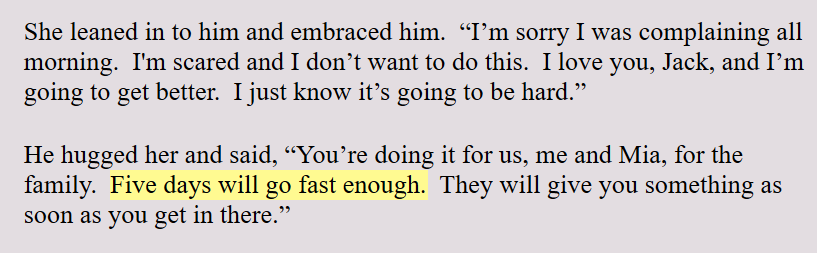 Scrivener allows you to highlight text in any color you want. I use this highlighter in the Level 4 Draft to make a mental note to myself to check on things. For example: If I say that someone is coming home from a hospital in four days, I highlight this. This makes sure that this lines up with the plotline, or the crime line, or the subplot lines.
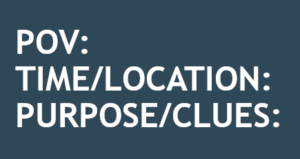 Like I mentioned earlier, I'm in the first draft of my novel and each scene begins with the same Scene Template as seen to the left.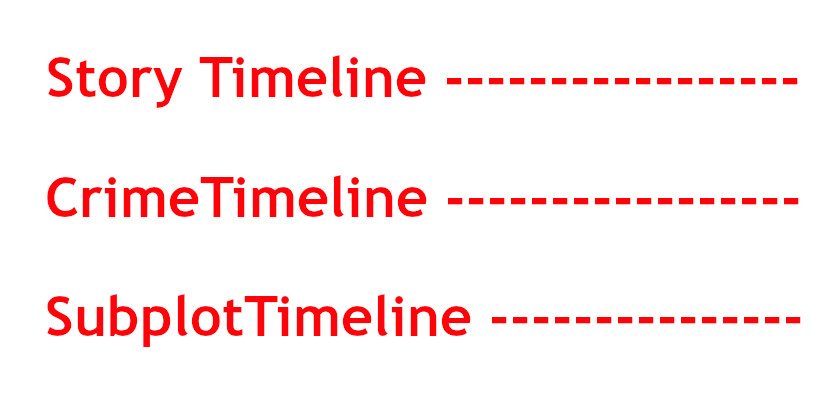
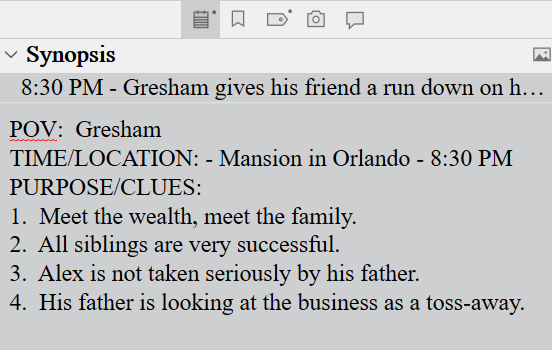 When writing the first draft, I use the Scrivener Synopsis section in the Inspector Pane to list the clues I have dropped in that scene. Once I've finished the first draft, I can open the project in Outline View and this will give me a bird's eye view and chronology of the clues that have been dropped.